


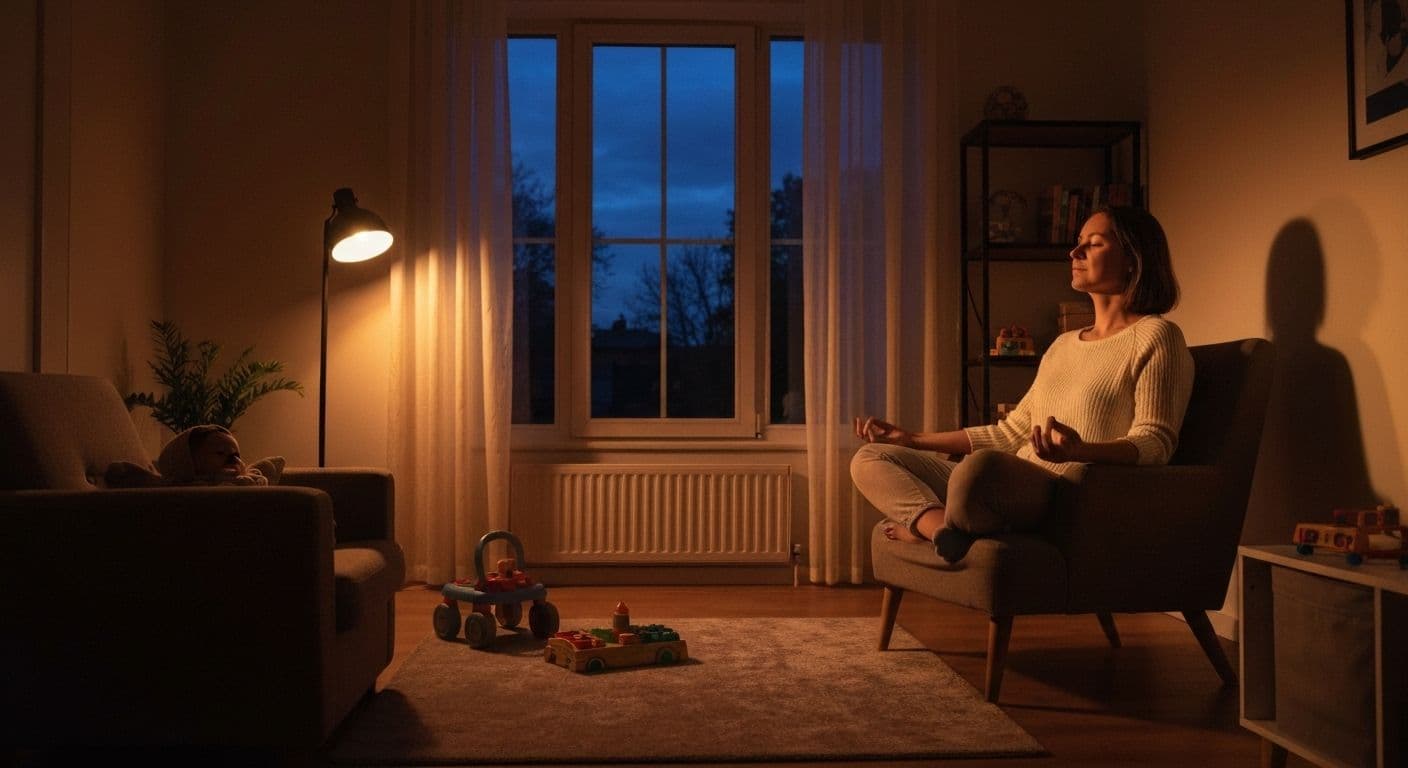
How to Relax My Mind: Evening Practices Beat Morning Meditation
Picture this: It's 5:30 AM, and your alarm pierces through the darkness. You drag yourself out of bed, determined to finally start that morning meditation routine everyone swears by. But before you can even sit down, you hear little feet padding down the hallway. Your toddler needs water. Your partner needs to know where the permission slip is. Your phone buzzes with an urgent work email. That peaceful meditation? It never happens. Sound familiar? Here's the surprising truth: your brain isn't wired to relax my mind in the morning chaos anyway. For working parents juggling endless responsibilities, evening relaxation practices align with your natural neurological rhythms in ways morning meditation simply can't match.
The pressure to adopt morning routines has reached fever pitch, but science tells a different story about when your brain is actually ready to relax my mind effectively. Understanding the neurological differences between morning and evening mental states reveals why forcing meditation into your busiest time creates more stress than relief. This guide offers practical evening techniques that work with your parental schedule, not against it.
Why Your Brain Needs Evening Time to Relax Your Mind
Your body operates on a precise hormonal schedule that makes evening the optimal time to relax my mind. Cortisol, your primary stress hormone, peaks between 6-8 AM to promote alertness and energy. This morning cortisol surge prepares you for action, not relaxation. Trying to meditate during peak alertness is like attempting to sleep after drinking espresso—you're fighting your biology.
As the day progresses, your brain accumulates adenosine, a chemical that promotes relaxation and sleep readiness. By evening, adenosine levels create natural conditions for mental unwinding. This biochemical shift makes your brain genuinely receptive to mindfulness techniques in ways morning hours don't support.
Working parents carry an extraordinary cognitive load throughout the day—managing meetings, deadlines, school pickups, dinner preparations, and countless micro-decisions. This accumulated mental weight peaks by evening, making the release more effective and necessary. Your parasympathetic nervous system, responsible for the "rest and digest" response, naturally activates more readily as daylight fades and external demands decrease.
Morning meditation adds another task to your already overwhelming list. Evening practices remove mental clutter instead of creating it. The difference isn't just practical—it's neurological. Your evening brain is biologically prepared to relax my mind, while your morning brain is chemically designed for activation and alertness.
Simple Evening Techniques That Help You Relax Your Mind
You don't need elaborate rituals or expensive equipment to relax my mind effectively in the evening. These five practical techniques integrate seamlessly into the routines you already have, transforming existing activities into powerful relaxation practices.
The 5-Minute Breathing Reset
While your coffee maker runs or as you prepare tomorrow's lunches, practice box breathing: inhale for four counts, hold for four, exhale for four, hold for four. This simple pattern activates your vagus nerve and signals safety to your nervous system. The beauty? You're already standing in the kitchen anyway. No additional time required to relax my mind.
Progressive Muscle Relaxation During Bedtime
As you tuck your kids into bed, systematically tense and release muscle groups from your toes to your shoulders. While reading bedtime stories, quietly clench your feet for five seconds, then release. Move upward through your body. Your children get their routine, and you get practical stress reduction techniques simultaneously.
Mental Noting for Work Thoughts
After closing your laptop, spend two minutes naming and releasing work concerns. Think "meeting worry," acknowledge it, then imagine placing it in a mental box until tomorrow. This cognitive technique prevents rumination and helps you relax my mind by creating clear boundaries between work and home life.
Body Scan as Sleep Preparation
Once in bed, mentally scan from your head to your toes, noticing sensations without judgment. This practice serves double duty—it's both a relaxation technique and a sleep preparation ritual. You're already lying down, making this the ultimate low-effort way to relax my mind before sleep.
The key to all these techniques? They layer onto activities you're already doing. You're not adding tasks; you're transforming existing moments into opportunities for mental release. This approach respects the reality of parental schedules while delivering genuine neurological benefits.
Building Your Sustainable Evening Practice to Relax Your Mind
Sustainability beats intensity every time. Start with a three-minute commitment rather than ambitious twenty-minute sessions that you'll abandon after three days. Anchor your practice to an existing evening habit—perhaps right after loading the dishwasher or immediately following your children's bedtime. These small wins create lasting change more effectively than grand plans.
Interruptions will happen. Your teenager will need homework help mid-relaxation. Accept this reality instead of treating it as practice failure. Simply return to your technique when possible. Consistency matters more than perfection when learning to relax my mind sustainably.
Measure success by showing up, not by achieving perfect stillness. Did you take three conscious breaths while brushing your teeth? That counts. Did you notice tension in your shoulders while reading bedtime stories? That's progress. These micro-moments accumulate into genuine mental shifts over time.
Ready to try this evening approach tonight? Choose one technique from this guide and commit to three minutes after your children sleep. Your morning self will thank you for finally working with your brain's natural rhythms instead of against them. The best time to relax my mind isn't when productivity culture says it should be—it's when your neurology is actually ready for it.



