


Kabat-Zinn Mindfulness: How the Raisin Exercise Transforms Daily Life
Imagine holding a single raisin and discovering it has the power to completely transform how you experience every moment of your life. This isn't mystical thinking—it's the foundation of kabat zinn mindfulness, a scientifically-validated approach that has revolutionized Western psychology. Jon Kabat-Zinn, the pioneering researcher who brought mindfulness from ancient contemplative traditions into modern medicine, chose this humble dried grape as the gateway practice for teaching present-moment awareness. Why? Because the raisin exercise bypasses intellectual understanding and drops you directly into the experience of mindfulness itself.
The genius of kabat zinn mindfulness lies in its simplicity. Rather than lecturing about being present, the raisin meditation creates an immediate, visceral understanding of what mindfulness actually feels like. This five-minute practice has become the cornerstone of Mindfulness-Based Stress Reduction (MBSR) programs worldwide, precisely because it rewires your attention patterns in ways that abstract instruction simply cannot. When you engage fully with a single raisin, you're training neural pathways that will transform how you experience everything from conversations to commutes.
The Kabat-Zinn Mindfulness Raisin Exercise: A Step-by-Step Guide
Ready to discover what makes this practice so transformative? The raisin meditation guides you through deliberate sensory exploration that most people have never experienced with any food. This structured approach to mindfulness techniques creates lasting changes in how your brain processes experience.
The Seeing Phase
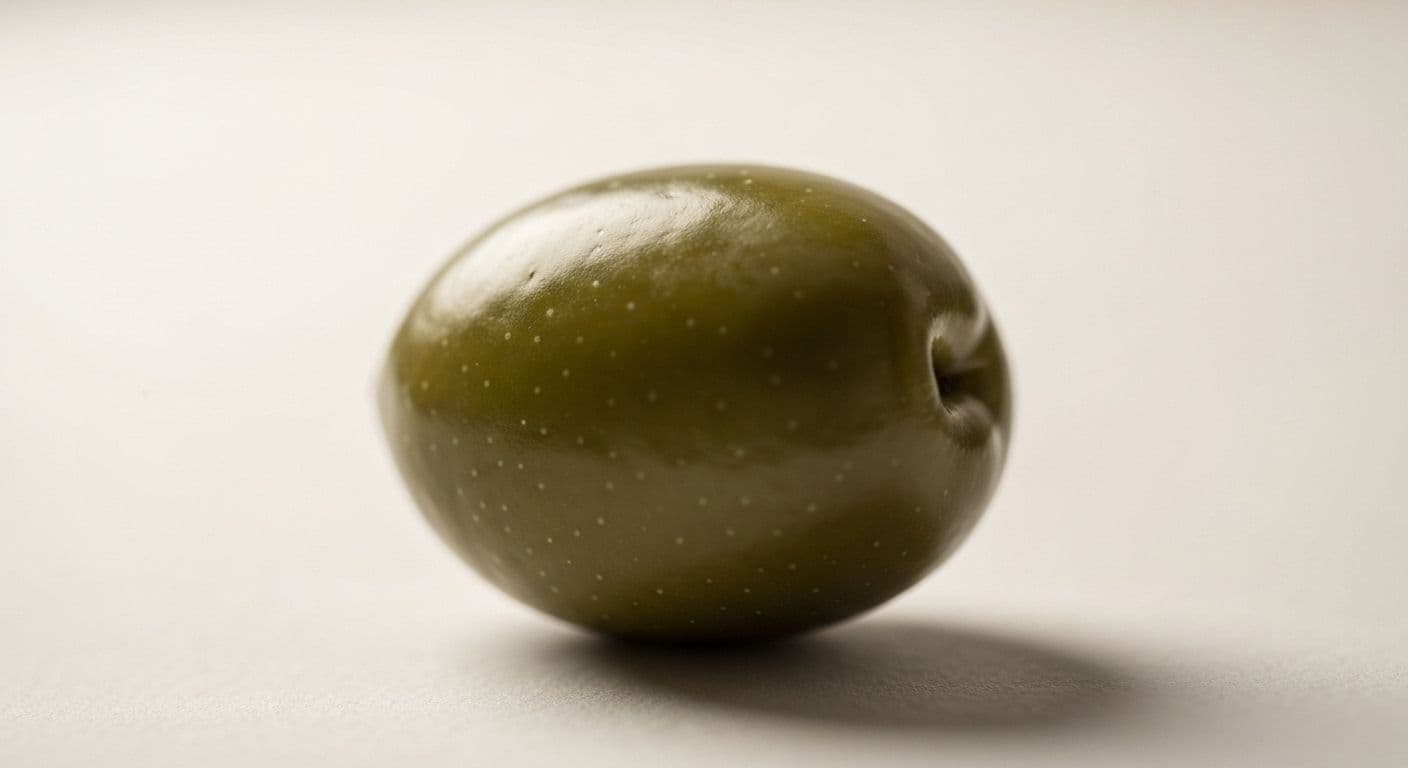
Hold the raisin as if you've never seen one before. Notice its color variations, the way light reflects off its wrinkled surface, the unique topography of ridges and valleys. This visual exploration activates your attention networks in ways that counter autopilot mode. Most people report genuine surprise at how much detail exists in something they've eaten hundreds of times without truly seeing.
The Touching and Exploring Phase
Roll the raisin between your fingers. Feel its texture, weight, and temperature. Notice how it responds to gentle pressure. This tactile awareness engages sensory processing regions that typically operate beneath conscious awareness. The kabat zinn mindfulness approach emphasizes this deliberate engagement because it strengthens the neural connections between sensation and attention. Research shows this sensory focus actually changes brain activity patterns, shifting from default-mode wandering to present-centered awareness.
The Tasting Phase
Place the raisin on your tongue without chewing. Notice the immediate taste sensations, the texture against your tongue, the impulse to bite down. When you finally chew, do so slowly, observing how flavors change and intensify. This extended tasting process reveals something profound: you've been swallowing your life without actually tasting it. The raisin exercise works better than abstract mindfulness instruction because it provides direct, undeniable evidence of how much you miss when operating on autopilot.
How Kabat-Zinn's Mindfulness Approach Rewires Your Daily Experience
The neuroscience behind kabat zinn mindfulness reveals why this practice creates lasting change. When you repeatedly bring full attention to sensory experience, you're literally rewiring the brain's attention networks. This isn't metaphorical—functional MRI studies show measurable changes in brain regions associated with emotional regulation and present-moment awareness after consistent mindfulness training.
From Mindless to Mindful Eating
The raisin exercise transfers directly to everyday eating. Most people consume meals while scrolling, watching, or planning, completely disconnected from the actual experience of eating. Applying kabat zinn mindfulness principles to regular meals transforms eating from a mindless refueling activity into an opportunity for presence and genuine enjoyment. You'll likely discover you feel satisfied with less food because you're actually experiencing what you eat.
Applying Sensory Awareness Throughout Your Day
The real power emerges when you extend this sensory attention to other routine moments. Feeling water temperature while washing hands, noticing the texture of fabric against skin, truly hearing the sounds around you—these micro-moments of sensory awareness accumulate into a fundamentally different way of experiencing life. The difference between thinking about experience and directly experiencing it becomes viscerally clear. This shift breaks the autopilot mode that causes you to miss the actual texture of your life.
Building Your Kabat-Zinn Mindfulness Practice Beyond the Raisin
Ready to make kabat zinn mindfulness a daily reset tool? The beauty of this practice is its portability. You can repeat the raisin exercise whenever you notice yourself spinning into autopilot or feeling disconnected from present experience. Even a two-minute version provides a powerful anchor back to sensory reality.
Expanding beyond raisins, try this same deliberate attention with other single objects—a piece of chocolate, a flower, even a stone. The cumulative effect of these brief mindfulness practices on emotional awareness and regulation is remarkable. Research participants report feeling more grounded, less reactive, and more connected to their actual lives after just weeks of consistent practice.
The invitation here is simple: start with just one raisin, one moment, one breath. The kabat zinn mindfulness approach doesn't require hours of meditation or special equipment. It asks only that you bring full attention to what's already here. That single raisin in your hand? It's your gateway to transforming every ordinary moment into an opportunity for genuine presence and aliveness.



