


Kitchen Mindfulness: How to Master Mindfulness Through Everyday Cooking
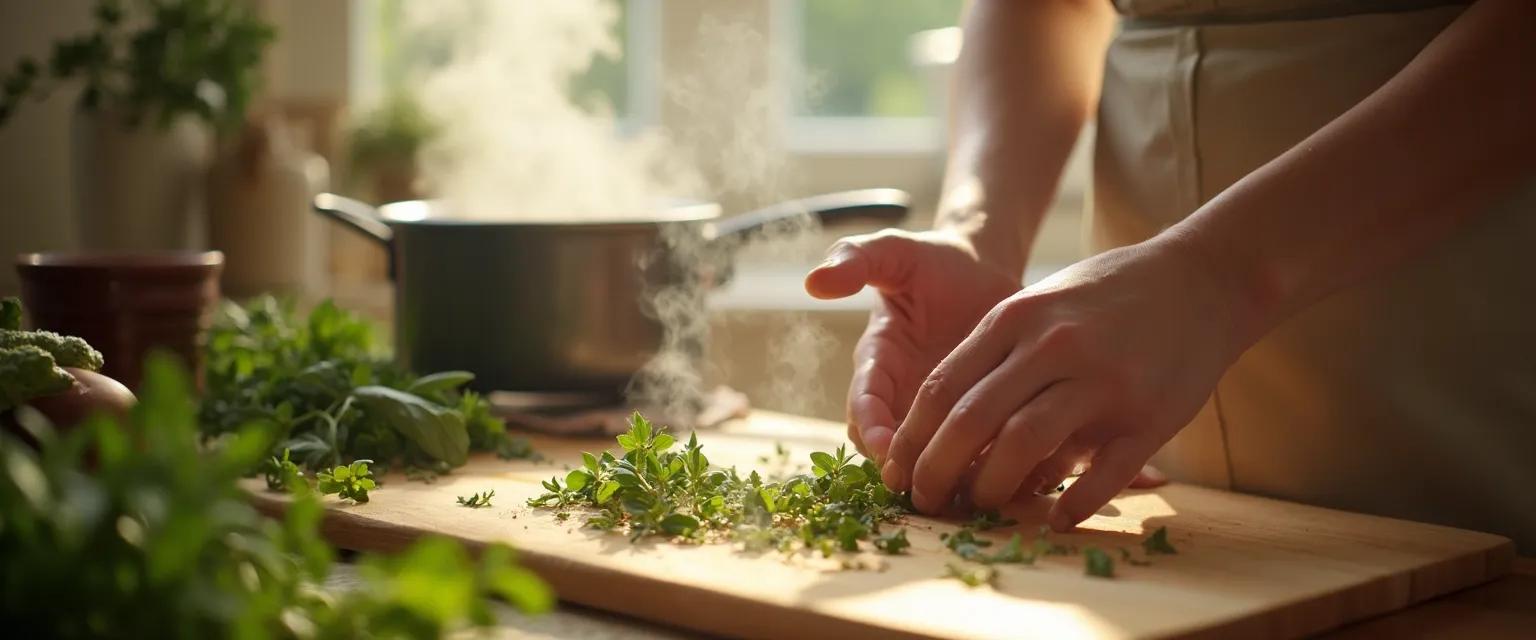
Ever noticed how chopping vegetables can feel almost hypnotic? That rhythmic motion of the knife, the vibrant colors on your cutting board, the fresh scents rising—this is kitchen mindfulness in action. The kitchen offers a perfect opportunity to master mindfulness without setting aside special meditation time. When we bring awareness to cooking—a task many of us do daily—we transform a routine activity into a practice that calms our minds and grounds us in the present moment.
Cooking naturally contains all the elements needed to master mindfulness: sensory experiences, repetitive motions, and opportunities for full presence. Research shows that engaging in mindful cooking activities reduces stress hormones and activates the parasympathetic nervous system—your body's natural relaxation response. This makes the kitchen an unexpected sanctuary for stress reduction and emotional regulation.
The beauty of kitchen mindfulness lies in its accessibility—no special equipment or training required. Simply bringing awareness to the tasks you're already doing can help you master mindfulness while creating something nourishing. Let's explore how ordinary cooking moments become extraordinary opportunities for presence.
Essential Techniques to Master Mindfulness Through Cooking
The journey to master mindfulness begins before the first ingredient is prepared. Start by approaching your kitchen with intention—take a moment to observe the space, notice the tools available, and consider the meal you're about to create. This brief pause sets the stage for mindful cooking.
Mindful Chopping Practice
Chopping vegetables offers one of the richest opportunities to master mindfulness techniques in the kitchen. Rather than rushing through this prep work, try this approach: Feel the weight of the knife in your hand. Notice the resistance of the vegetable against the blade. Listen to the sound of each slice. Maintain a steady rhythm without hurrying.
This focused attention transforms a mundane task into a powerful mindfulness exercise. Many practitioners report that mindful chopping becomes their favorite way to reset their nervous system after a stressful day.
Five-Senses Cooking
To truly master mindfulness while cooking, engage all five senses deliberately:
- Sight: Notice colors, textures, and how food transforms during cooking
- Sound: Listen to the sizzle of ingredients hitting a hot pan
- Smell: Pause to appreciate the aromas released during cooking
- Touch: Feel textures—the smoothness of olive oil, the firmness of dough
- Taste: Sample mindfully, noticing all flavor dimensions
This sensory awareness practice helps anchor you firmly in the present moment—the essence of mindfulness. When your attention wanders to tomorrow's meeting or yesterday's conversation, gently guide it back to the sensory experience of cooking.
Overcoming Cooking Challenges While You Master Mindfulness
Kitchen multitasking can seem at odds with mindfulness, but it actually presents a perfect opportunity to strengthen your practice. When managing multiple dishes, try the "one breath, one task" approach: Take a conscious breath between switching tasks. This creates tiny mindfulness intervals that keep you centered.
Kitchen mishaps—the burned toast, the oversalted soup—offer powerful moments to master mindfulness through equanimity. Instead of responding with frustration, use these moments to practice non-judgment. Notice any emotional reaction, take a breath, and respond thoughtfully rather than reactively.
When recipes become complex or time-sensitive, try this simple breathing technique: Inhale for four counts while stirring, exhale for four counts while continuing to stir. This rhythmic breathing keeps you grounded even when cooking demands intensify.
The mindfulness you cultivate in the kitchen naturally extends beyond it. You might notice yourself bringing the same quality of attention to other daily activities—washing dishes, folding laundry, or even during conversations. This is how kitchen practice helps you master mindfulness in all areas of life.
Remember that kitchen mindfulness isn't about perfection. It's about returning to the present moment again and again. Each time you notice your mind has wandered and bring it back to the cooking task at hand, you strengthen your ability to master mindfulness. This practice transforms not just your relationship with cooking but with your entire experience of daily life—one mindful chop, stir, and taste at a time.



