


Mental Fitness Routines For Your Mind Beat Therapy Apps | Mindfulness
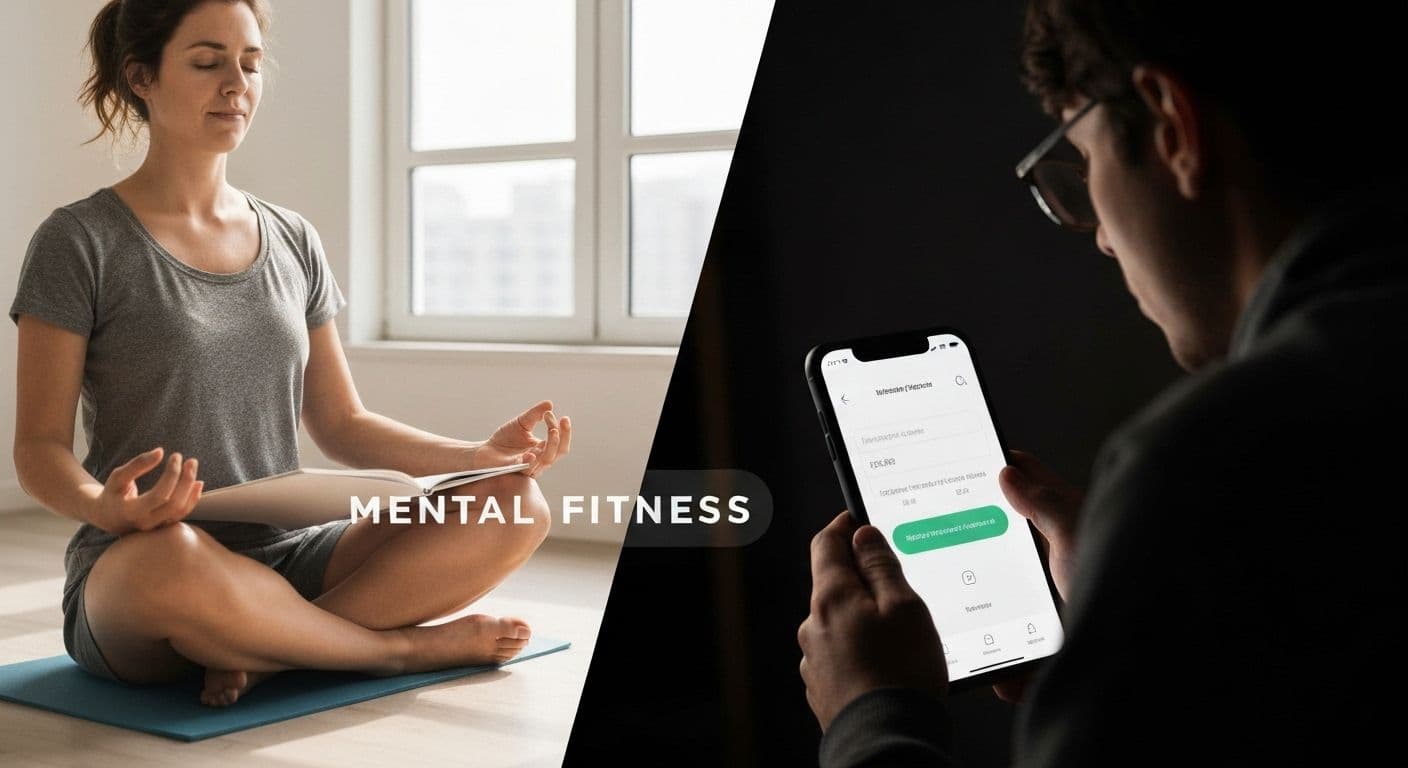
You've downloaded three mental wellness apps this year. They're sitting on your phone right now, probably buried in a folder labeled "Health" or "Self-Care." You opened them a few times, maybe completed a guided meditation or two, then... nothing. Sound familiar? Here's the thing: those apps aren't broken, and neither are you. The real issue is that mental fitness for your mind works exactly like physical fitness—it requires consistent routines, not just fancy tools collecting digital dust.
Think about it. You wouldn't expect six-pack abs from owning a gym membership alone. Yet somehow, we expect emotional regulation to magically improve just because we've installed the latest therapy app. The difference between passive app usage and active mental fitness practices is the difference between watching workout videos and actually breaking a sweat. Ready to explore why building personalized routines for your mind beats scrolling through app features?
Why Mental Fitness Routines for Your Mind Create Lasting Change
Your brain is constantly rewiring itself through a process called neuroplasticity. Every time you practice a mental fitness routine, you're literally building new neural pathways. This isn't motivational fluff—it's neuroscience. When you actively engage with techniques for your mind consistently, your brain strengthens these connections, making emotional regulation easier over time.
Here's where most therapy apps miss the mark: they position you as a consumer of content rather than an active participant in your growth. You watch videos, read articles, listen to meditations—all valuable, sure—but fundamentally passive. Mental fitness routines flip this dynamic. Instead of consuming wisdom, you're building skills through repetition and practice.
The Neuroscience of Routine Building
Research on habit formation shows that consistent practice creates automaticity. Translation? When you follow a structured mental fitness routine, your brain starts executing these practices with less conscious effort. That morning breathing exercise that felt awkward at first becomes as natural as brushing your teeth. This automation frees up mental energy for better decision-making throughout your day.
The science gets even better. Personalized routines adapt to your specific emotional patterns. Unlike one-size-fits-all app content, your mental fitness system for your mind evolves with you. Notice that Sunday evenings trigger anxiety? Your routine addresses that specific pattern. Struggling with morning frustration? You've got techniques ready before your feet hit the floor.
Active Versus Passive Mental Wellness Approaches
Think of therapy apps as textbooks and mental fitness routines as hands-on practice. Both have value, but only one builds genuine competence. When you take ownership of your emotional wellness through structured practices, you develop confidence in your ability to handle difficult feelings. This empowerment beats dependency on external tools every single time.
Building Your Personal Mental Fitness System for Your Mind
Creating an effective mental fitness routine doesn't require complex planning or hours of free time. Start by identifying when you typically experience challenging emotions. Not through elaborate journaling—just notice patterns. Do frustrations peak during work meetings? Does anxiety spike before social events? These observations become the foundation of your personalized system.
Next, select 2-3 science-backed techniques that fit naturally into your existing schedule. A three-minute breathing exercise before morning coffee. A quick emotional check-in during lunch. An evening reflection while brushing your teeth. The key is consistency, not complexity.
Here's what makes routines superior to rigid app structures: flexibility. Had a setback with your morning practice? Your routine adjusts. Traveling and off schedule? Scale it down, don't abandon it. Apps often present all-or-nothing experiences—complete this 30-day program or start over. Mental fitness routines for your mind meet you where you are.
Quick Daily Practices
The most effective mental fitness techniques take under five minutes. Box breathing to calm your nervous system. The 5-4-3-2-1 grounding method for anxiety. A brief body scan to release tension. These aren't time-intensive commitments—they're strategic interventions you can deploy exactly when needed.
Adapting Routines to Your Lifestyle
Your mental fitness system should feel like a supportive friend, not another demanding task. Busy parents might practice during school drop-off. Professionals could use transition moments between meetings. The beauty of personalized routines is they work with your life, not against it.
Making Mental Fitness Work for Your Mind and Lifestyle
Routine-based approaches win because they transform you from a passive consumer into an active architect of your emotional wellness. You're not dependent on opening an app or finding the perfect guided session. Instead, you've built genuine capabilities that travel with you everywhere.
Ready to start small? Choose one technique that addresses your most common emotional challenge. Practice it consistently for two weeks. Notice the difference. Then add another. This incremental approach builds sustainable mental fitness for your mind without overwhelming your schedule or willpower.
Remember, mental fitness is an ongoing practice, not a destination. Some days will feel easier than others, and that's completely normal. The goal isn't perfection—it's progress. Each time you engage with your routine, you're reinforcing those neural pathways and strengthening your emotional resilience.
Think of tools like Ahead as supporters of your routine-building journey, not replacements for your active participation. The most powerful mental fitness system for your mind is the one you consistently practice, adapt, and own. That's how lasting change happens—one small, intentional action at a time.



