


Mindful Christianity: Prayer Walks vs Meditation for Spiritual Growth
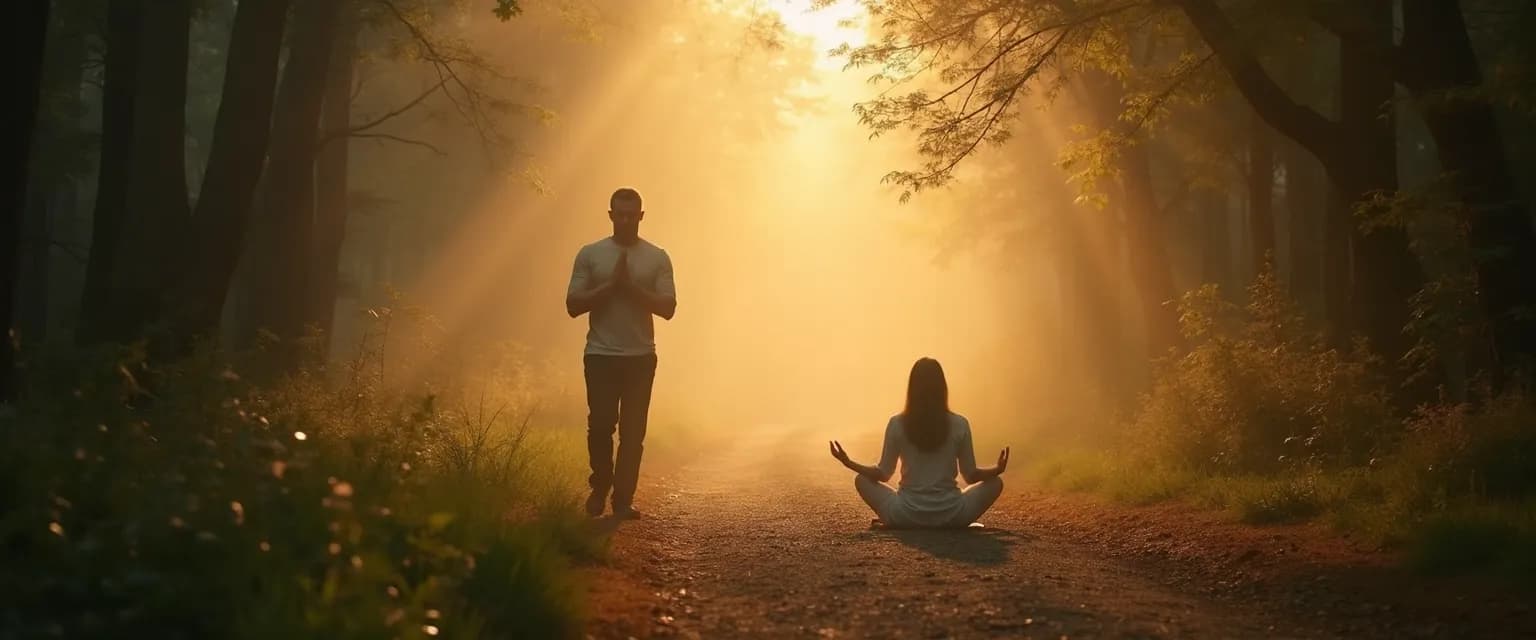
Prayer walks and meditation represent two powerful paths within mindful Christianity—practices that invite us to experience sacred presence through intentional movement and stillness. In our fast-paced world, these embodied spiritual disciplines offer Christians a way to integrate faith with present-moment awareness, creating space for deeper connection with God. Mindful Christianity isn't about adopting Eastern religious practices wholesale, but rather reclaiming the rich contemplative traditions that have always existed within the Christian faith.
The concept of walking with God has biblical roots—Enoch "walked with God" (Genesis 5:24), and Jesus often retreated to quiet places for prayer. These examples remind us that spiritual presence techniques aren't new innovations but time-honored ways of nurturing our relationship with the Divine. Both prayer walks and meditation invite us to step away from distraction and into sacred attentiveness.
Whether you're strolling through your neighborhood or sitting quietly in a chair, these mindful Christianity approaches help bridge the gap between intellectual faith and embodied spiritual experience. Let's explore how these complementary practices can transform your spiritual journey.
The Sacred Path: Mindful Christianity Through Prayer Walks
Prayer walks represent one of the most accessible mindful Christianity practices available to believers. This discipline combines physical movement with intentional prayer, allowing you to literally "walk with God" as you move through your environment. Throughout Christian history, pilgrimages and processional prayers have emphasized how movement can enhance our spiritual connection.
To begin a mindful Christianity prayer walk, start with a clear intention. Before taking your first step, acknowledge God's presence and invite the Holy Spirit to guide your journey. As you walk, let your surroundings inspire your prayers—perhaps the sight of homes prompts prayers for neighbors, or natural beauty evokes gratitude.
The rhythm of walking naturally supports the cadence of prayer. Your breathing falls into a steady pattern, your body relaxes, and your mind becomes more receptive to God's voice. This mindfulness technique helps release anxious thoughts that often interrupt prayer.
Many practitioners of mindful Christianity report that prayer walks help them move beyond formulaic prayers to more authentic conversation with God. The combination of movement, breath awareness, and environmental stimuli creates a multisensory prayer experience that engages your whole being—body, mind, and spirit.
Stillness in Motion: Meditation Practices for Mindful Christianity
Christian meditation differs from other meditation traditions in its focus. Rather than emptying the mind, Christian meditation involves filling it with God's truth through Scripture, divine attributes, or Christ's presence. This approach to mindful Christianity has deep roots in traditions like Lectio Divina (sacred reading) and the contemplative practices of desert fathers and mothers.
Begin your Christian meditation practice by selecting a comfortable, quiet space. Choose a short Scripture passage, perhaps a Psalm or Jesus' words. Read it slowly, allowing the words to sink deeply into your consciousness. As you meditate, notice when your mind wanders—this awareness itself is part of mindful Christianity—then gently return your focus to God's presence.
Many Christians worry that meditation conflicts with their faith, but the Bible repeatedly encourages us to meditate on God's word (Joshua 1:8, Psalm 1:2). The difference lies in the object of meditation—we fix our thoughts on Christ rather than self or emptiness.
Through regular meditation, practitioners of mindful Christianity develop greater spiritual discernment and emotional regulation. The practice creates space for the Holy Spirit to speak in the quiet moments between thoughts, fostering deeper spiritual purpose and direction.
Integrating Mindful Christianity Into Daily Spiritual Life
The beauty of mindful Christianity lies in its flexibility. You might begin with a brief morning meditation focused on a single verse, then incorporate a midday prayer walk around your workplace. These practices don't require special equipment or extensive training—just a willing heart and consistent practice.
Try alternating days between these approaches: Monday, Wednesday, and Friday for prayer walks; Tuesday, Thursday, and Saturday for seated meditation. Sunday might become a day to practice both, perhaps meditating before worship and taking a prayer walk afterward.
As you develop these mindful Christianity habits, you'll likely notice greater awareness of God's presence throughout your day. Ordinary moments—washing dishes, commuting, waiting in line—become opportunities for spiritual connection. This integration of faith and mindfulness transforms not just your designated prayer time but your entire life into an ongoing conversation with God.
Whether you're new to mindful Christianity or looking to deepen existing practices, remember that consistency matters more than duration. Even five minutes of intentional presence can nurture your spiritual life in profound ways.



