


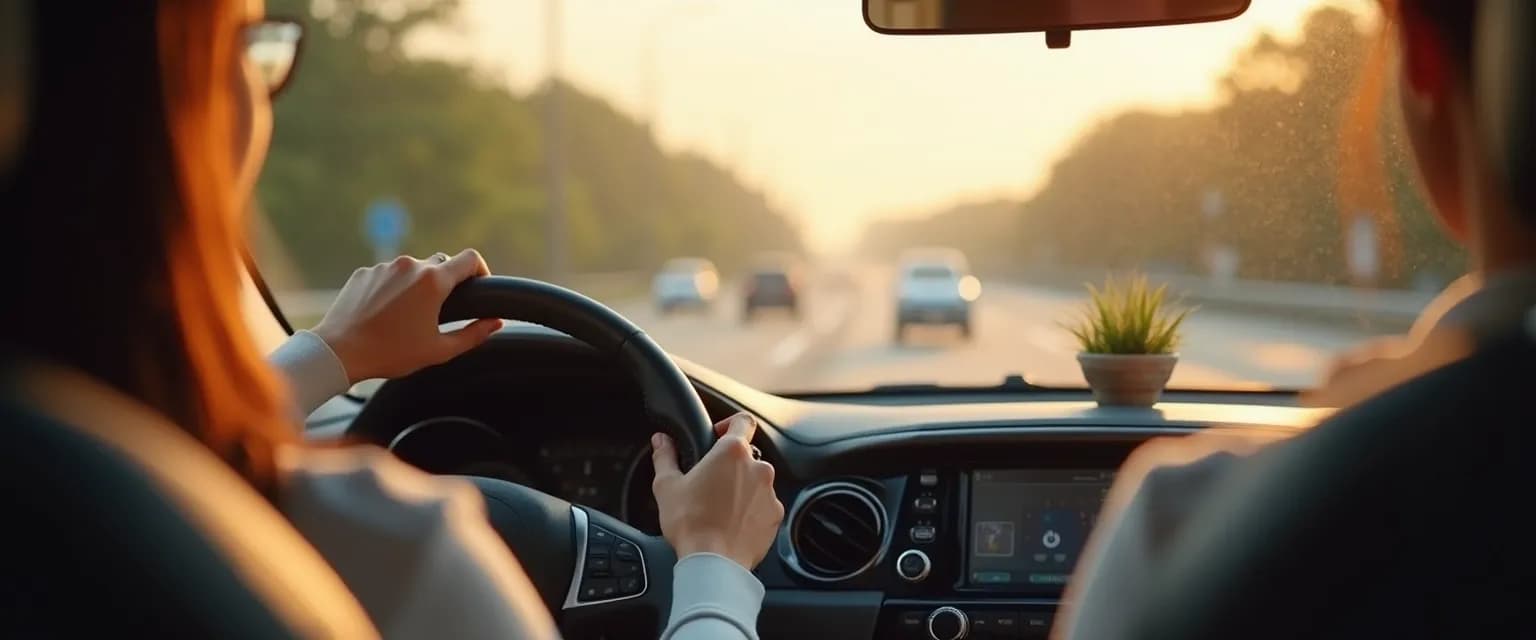
Mindful Driving: Transform Commute Stress into Mindfulness and Anxiety Relief
The average American spends 54 hours a year stuck in traffic—that's over two full days of your life annually! Rather than viewing this time as a frustrating waste, what if you could transform it into a powerful opportunity for mindfulness and anxiety relief? Your daily commute, whether by car or public transport, creates a perfect window for practicing presence and calm in a world that rarely slows down.
Many commuters report that driving triggers significant stress and anxiety, with traffic jams, aggressive drivers, and time pressure creating the perfect storm for frazzled nerves. But here's the good news: these very challenges make commuting an ideal laboratory for developing anxiety management techniques that work. Mindfulness and anxiety go hand in hand—as you increase your mindful awareness, you naturally decrease anxiety's grip on your nervous system.
By integrating simple mindfulness practices into your daily travel routine, you transform what was once dead time into a valuable mental wellness session. The beauty? These techniques require no extra time in your schedule—just a willingness to approach your existing commute differently.
Foundational Mindfulness and Anxiety Techniques for Daily Commutes
Let's start with breath awareness—the cornerstone of mindfulness and anxiety reduction that's perfectly suited for driving. While keeping your eyes on the road, simply notice your breathing pattern without trying to change it. After a few moments of observation, try extending your exhales slightly longer than your inhales, which signals your nervous system to relax.
Next, practice a modified body scan that works while driving. Start by noticing any tension in your hands on the steering wheel. Are you gripping too tightly? Consciously release that grip slightly. Then move attention to your shoulders—are they creeping toward your ears? Let them drop. Continue checking in with different body parts throughout your drive.
For mindful observation, use red lights as "mindfulness bells" rather than frustration triggers. When stopped, take three conscious breaths and observe your surroundings with curiosity instead of impatience. This practice builds mental performance by training your brain to respond rather than react.
Public transport commuters have even more options. Try this grounding exercise: notice five things you can see, four things you can touch, three things you can hear, two things you can smell, and one thing you can taste. This powerful mindfulness and anxiety technique anchors you firmly in the present moment, interrupting worry spirals before they gain momentum.
Advanced Mindfulness and Anxiety Strategies for Stressful Traffic Situations
Traffic jams offer prime opportunities for deeper mindfulness practice. When stuck, try "traffic meditation"—use the forced pause to practice acceptance of what you cannot change. Notice the thoughts that arise ("I'll be late!" or "This is ridiculous!") without attaching to them. This builds emotional resilience that extends far beyond your commute.
For managing road rage—that intense emotional response to other drivers—implement the "pause and breathe" technique. When you feel anger bubbling up, take one deep breath before responding. This tiny gap between stimulus and response is where mindfulness and anxiety management happens.
Transform common commuting triggers into opportunities for growth by creating a mental reframe list. When someone cuts you off, instead of defaulting to anger, try thinking, "They must be having a difficult day" or "I'm grateful for my safe driving habits." This anger management strategy rewires your brain's habitual responses over time.
Create a personalized mindful commuting sequence by combining these techniques into a routine that works for you. Perhaps you'll start with three mindful breaths, do a quick body scan, then practice acceptance of traffic conditions—all within the first five minutes of your drive.
Integrating Mindfulness and Anxiety Relief into Your Daily Travel Routine
Success in mindful commuting isn't measured by perfectly peaceful drives but by your growing ability to return to presence when you notice you've drifted away. Start tracking how quickly you can notice and redirect your attention—this recovery time is your key metric.
Create environmental cues by placing a small symbol on your dashboard or transit card that reminds you of your mindfulness intention. This visual anchor helps maintain consistency in your practice.
The benefits of commute-based mindfulness and anxiety management extend well beyond the car. Notice how this practice affects your arrival at work or home. Are you calmer? More present? More ready to engage? These ripple effects demonstrate why mindfulness and anxiety techniques during travel time offer such powerful returns on your investment of attention.
Ready to transform your commute? Start with just one technique tomorrow. Your journey toward a more mindful commute begins with a single breath.



