


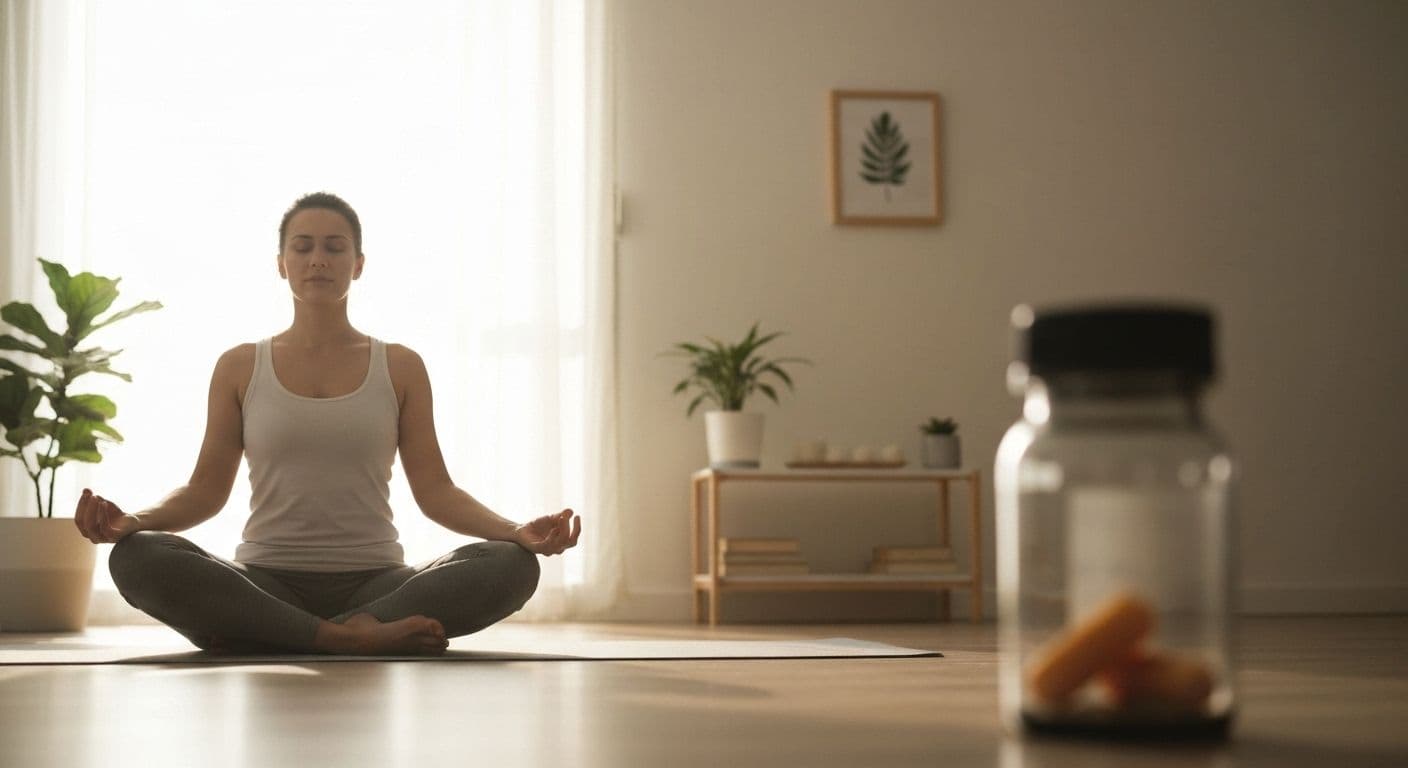
Mindfulness for Anxiety vs Medication: When Each Works Best
Picture this: You're about to give a big presentation, and your heart's racing. Your friend swears by meditation apps, your doctor mentioned medication, and now you're stuck wondering which path actually works. Here's the truth: the "mindfulness versus medication" debate misses the point entirely. The real question isn't which one is better—it's which one fits your specific situation.
Situational anxiety (like pre-presentation jitters) operates differently than chronic anxiety disorders. Understanding this distinction changes everything about how you approach mindfulness for anxiety. While medication addresses chemical imbalances and severe symptoms, mindfulness for anxiety excels in moments where your thoughts spiral but your brain chemistry isn't fundamentally off-balance. Both have their place, and pretending otherwise does you no favors.
Let's cut through the noise and figure out when mindfulness for anxiety actually outperforms medication, when it doesn't, and how to make the smartest choice for your emotional wellness. No judgment, no oversimplifications—just practical guidance based on how anxiety actually works in your brain.
When Mindfulness for Anxiety Outperforms Medication
Mindfulness shines brightest in specific scenarios: that pre-meeting nervousness, social anxiety at a casual gathering, or the 2 AM worry spiral about tomorrow's tasks. These situations share something important—they're driven by thought patterns rather than chemical imbalances. This is where breathing techniques for anxiety become your secret weapon.
The science behind this is fascinating. When anxious thoughts take over, your amygdala (your brain's alarm system) fires up while your prefrontal cortex (the rational thinking part) gets sidelined. Mindfulness techniques flip this script by actively engaging your prefrontal cortex, essentially telling your brain, "Hey, we're paying attention now—no need for panic mode." This neurological shift happens in real-time, which is why a simple breathing exercise can calm presentation nerves within minutes.
Here's what makes mindfulness for anxiety particularly powerful: zero side effects, immediate availability, and skill-building that compounds over time. Unlike medication that you take reactively, each mindfulness practice strengthens your anxiety management muscles. You're literally rewiring neural pathways with every session, making future anxiety easier to handle.
Real-world application looks like this: Before your presentation, you practice the 4-7-8 breathing technique. During an awkward social moment, you use body scanning to ground yourself. When thoughts spiral at night, you employ the noting technique ("thinking, thinking, thinking") to create distance from anxious narratives. These aren't theoretical concepts—they're actionable strategies that work when you need them most.
The immediate applicability matters enormously. You don't need a prescription, a pharmacy visit, or a waiting period for medication to take effect. Your mindfulness toolkit travels with you everywhere, ready to deploy the moment situational anxiety strikes. This accessibility makes it the perfect first-line defense for everyday anxiety management.
The Honest Limitations of Mindfulness for Anxiety
Let's talk about when mindfulness isn't enough. If you're experiencing severe panic attacks with intense physical symptoms—heart palpitations, chest pain, difficulty breathing—mindfulness alone probably won't cut it. The same goes for chronic anxiety disorders where your baseline anxiety level remains elevated regardless of external circumstances. These situations often involve chemical imbalances that require a different approach.
Medication becomes necessary when anxiety stems from physiological factors beyond thought pattern control. Your brain's neurotransmitter levels might need regulation that no amount of meditation will provide. This isn't a character flaw or a sign that you're "not trying hard enough" with mindfulness—it's basic brain chemistry. Understanding your body's stress signals helps you recognize when professional intervention makes sense.
The time factor matters too. Mindfulness for anxiety is a skill that requires practice and patience. You're building new neural pathways, which doesn't happen overnight. If you're in crisis mode and need immediate relief, waiting for mindfulness skills to develop might not be realistic. This is why many people find success with combined approaches to anxiety management that address both immediate needs and long-term skill development.
Here's an important reality check: choosing medication doesn't mean you've failed at mindfulness or that you're taking the "easy way out." It means you're responding intelligently to your body's actual needs. Many people use both medication and mindfulness effectively, with medication stabilizing their baseline while mindfulness techniques handle situational spikes.
Making Your Mindfulness for Anxiety Decision
Ready to figure out your best approach? Start by assessing three key factors: frequency (daily anxiety versus occasional situations), intensity (manageable discomfort versus debilitating symptoms), and impact (minor inconvenience versus life disruption). Your answers reveal which path makes sense.
Ask yourself these practical questions: Does your anxiety appear in predictable situations or does it ambush you randomly? Can you identify thought patterns that precede anxious feelings? Do physical symptoms dominate, or is it mostly mental worry? Have you tried mindfulness techniques consistently for at least three weeks? Your honest answers to these questions guide your decision better than any one-size-fits-all recommendation.
For situational anxiety—like test anxiety management or performance nerves—starting with mindfulness makes excellent sense. Track what works for your specific anxiety patterns. Notice which techniques calm you fastest and which situations respond best to mindfulness approaches.
The goal isn't choosing between mindfulness and medication forever. It's finding what works for you right now, staying open to adjusting as your needs change, and building a personalized anxiety relief strategy that actually fits your life. You're not locked into any single approach—you're creating a flexible toolkit that serves your emotional wellness journey.



