


Movement-Based Mindfulness in the Classroom for Restless Third Graders
Picture this: twenty-eight third graders squirming on their carpet squares, eyes squeezed shut, fidgeting with shoelaces while their teacher softly instructs them to "find their inner calm." Sound familiar? If you're implementing mindfulness in the classroom and meeting resistance from your high-energy students, you're not alone. The problem isn't that mindfulness doesn't work for children—it's that we're asking restless eight-year-olds to practice it like miniature adults.
Here's the truth: mindfulness in the classroom doesn't require silence, stillness, or crossed legs. For third graders bursting with energy, movement-based mindfulness practices like mindful walking, stretching, and body awareness exercises build the same emotional regulation skills without the frustration of forced stillness. When we match mindfulness techniques to children's developmental needs, we meet them where they are—and that's where real growth happens.
The science backs this up. Children's brains are wired for kinesthetic learning, processing information through physical experience. By introducing stress reduction techniques that honor this natural tendency, we create classroom mindfulness practices that actually stick.
Why Traditional Seated Meditation Fails Mindfulness In The Classroom For Young Students
Third graders are developmentally hardwired for movement. At this age, children have shorter attention spans, high physical energy, and a natural need to express themselves through their bodies. Asking them to sit perfectly still for meditation contradicts everything their developing brains and bodies are telling them to do.
When we force stillness, we inadvertently create a frustration cycle that defeats the entire purpose of mindfulness in the classroom. Instead of learning present-moment awareness, students associate mindfulness with discomfort, boredom, and failure. They become more anxious trying to suppress their natural impulses than they would be without any mindfulness practice at all.
Developmental Needs of Third Graders
Research on child development shows that elementary students learn best through kinesthetic experiences. Their bodies are instruments for understanding the world, not obstacles to overcome. Emotional regulation develops differently in children than adults—they need to feel emotions in their bodies and learn to recognize physical sensations before they can manage them effectively.
The Frustration Cycle of Forced Stillness
When classroom mindfulness practices demand perfect stillness, restless students experience the opposite of calm. Their racing thoughts intensify. Their bodies become more uncomfortable. They start believing they're "bad at mindfulness," which undermines the confidence these practices should build. This approach misses the mark entirely, creating resistance where there should be engagement.
Movement-Based Mindfulness In The Classroom That Actually Works For Restless Students
Ready to transform your approach? Active mindfulness exercises achieve the same core goals—present-moment awareness, emotional regulation, and focused attention—while honoring children's need to move.
Mindful Walking Techniques
Mindful walking turns movement into meditation. Guide students to notice each footstep: heel down, toe lift, the sensation of weight shifting. Have them synchronize breathing with steps—inhale for three steps, exhale for three steps. As they walk slowly around the classroom, encourage them to observe what they see, hear, and feel without judgment. This practice builds awareness while channeling their energy productively.
Body Awareness Exercises
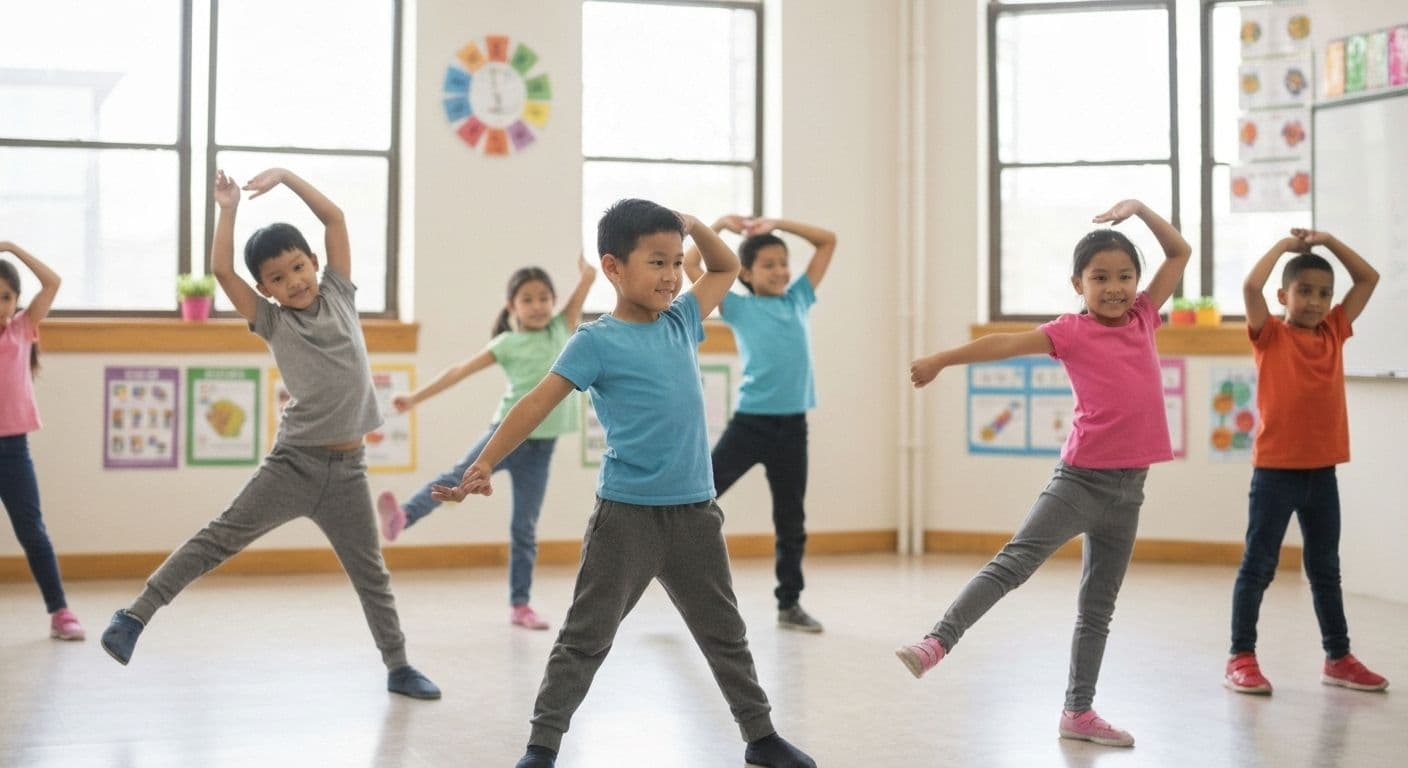
Mindful stretching helps students connect with physical sensations. Lead them through slow, deliberate movements: reaching arms overhead, rolling shoulders, gentle twists. Ask them to notice where they feel tension and where they feel release. This teaches body awareness—a crucial skill for recognizing anxiety signals before emotions become overwhelming.
Active Breathing Practices
Breathing exercises don't require stillness. Try "balloon breathing" where students raise their arms as they inhale and lower them as they exhale. Or practice walking breath counts: four steps breathing in, four steps breathing out. These movement-based mindfulness techniques make breath awareness tangible and engaging for young learners.
Movement-based emotional check-ins work beautifully too. Have students show their current mood through body positions—jumping for excited, slow motion for calm, heavy steps for tired. This builds self-awareness while allowing the physical expression third graders naturally crave.
Implementing Active Mindfulness In The Classroom For Long-Term Success
Making mindfulness in the classroom strategies sustainable means integrating them into daily routines. Start with two-minute mindful walking transitions between high-energy activities and focused learning time. Use mindful stretching as brain breaks every thirty minutes. These small moments accumulate into significant emotional regulation skills.
Measure success by what matters: Are students more focused after movement-based mindfulness? Do they handle frustration better? Are classroom disruptions decreasing? These indicators reveal whether your classroom mindfulness strategies are working far better than whether students can sit still for ten minutes.
The most effective mindfulness in the classroom approaches match student energy levels rather than fighting against them. When we honor third graders' developmental needs, we create sustainable routines that genuinely support their emotional growth. Your restless students aren't failing at mindfulness—they're showing you exactly what they need. And what they need is movement, awareness, and practices designed for who they actually are right now.



