


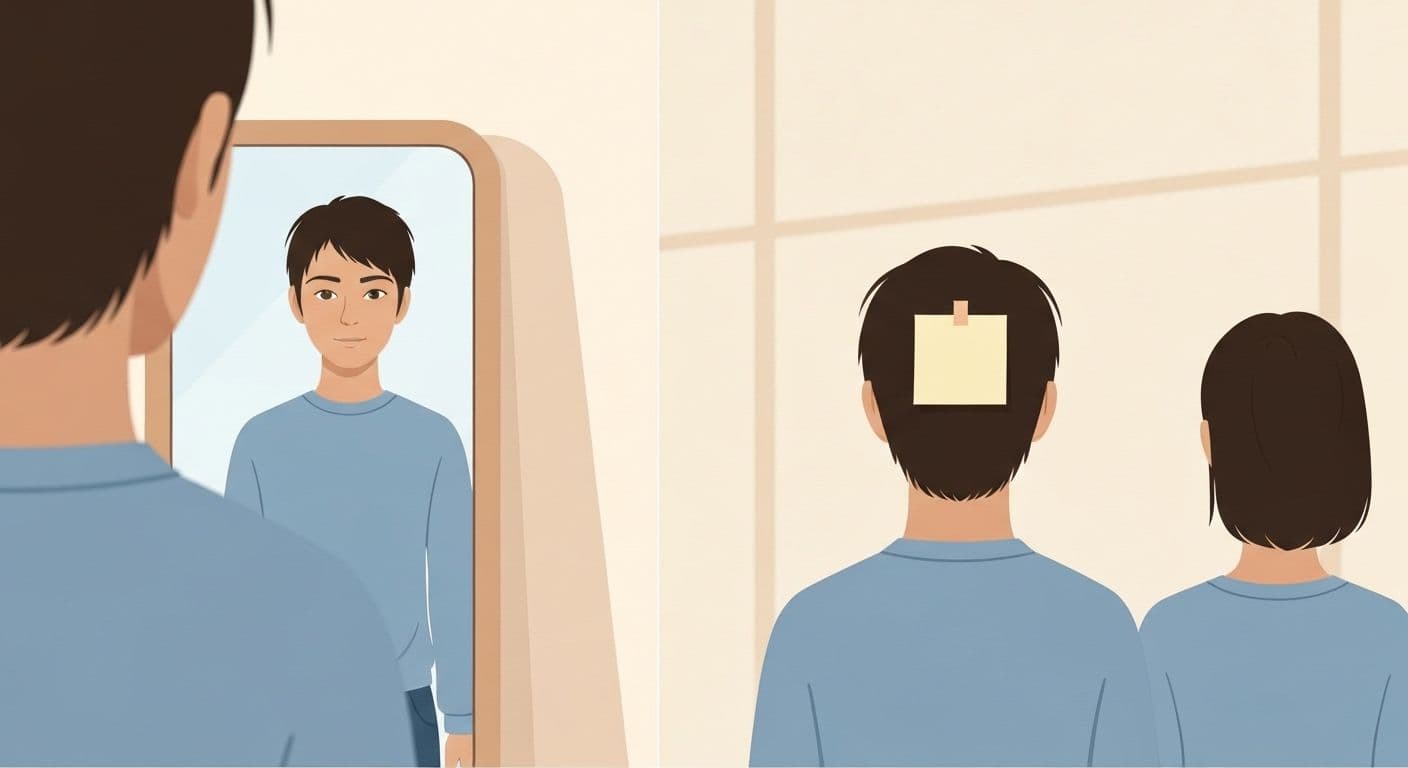
No Self Awareness: Why Friends Notice What You Don't About Yourself
Ever had a friend point out something about you that caught you completely off guard? Maybe they mentioned how you always interrupt when you're excited, or how your voice gets sharp when you're stressed—things you'd never noticed yourself doing. Welcome to the fascinating world of blind spots, where having no self awareness is far more common than most of us want to admit. Here's the thing: your brain is constantly filtering information about yourself, and sometimes it filters out the very patterns everyone else can see clearly. While you're living inside your own experience, your friends are watching from the outside, spotting behaviors that fly completely under your radar.
The gap between how we see ourselves and how others perceive us isn't a character flaw—it's a natural feature of human psychology. Our brains are designed to maintain a consistent self-image, which means they're surprisingly good at ignoring data that doesn't fit our narrative. Meanwhile, your friends notice these patterns because they're not emotionally invested in protecting your ego. They see the behavioral loops you repeat, the facial expressions you make without thinking, and the conversational habits you've never questioned. Understanding this dynamic is the first step toward developing better self-awareness skills that actually stick.
Why No Self Awareness Happens: The Science Behind Your Blind Spots
Your brain runs on autopilot more than you'd think, and this autopilot mode creates massive blind spots in your behavior. Cognitive biases like confirmation bias make you notice only the evidence that supports your existing self-image, while self-serving bias helps you take credit for successes but blame external factors for setbacks. These aren't signs of no self awareness by choice—they're hardwired protection mechanisms that shield your ego from constant scrutiny.
Here's where it gets interesting: your emotional investment in your self-image actually blocks awareness. When information threatens how you see yourself, your brain treats it like a danger signal and filters it out before it reaches conscious thought. This is why you might genuinely believe you're a great listener while your friends notice you checking your phone mid-conversation. The brain's automatic filtering system works overtime to maintain psychological comfort, which means the patterns most obvious to others are often invisible to you.
External observers see your patterns more clearly because they're watching the movie while you're starring in it. They notice when you deflect compliments, when your body language closes off during certain topics, or when you repeat the same excuse across different situations. Common blind spots include how often you talk about yourself, your default facial expression, how you respond to feedback, and the tone you use when disagreed with. These behaviors feel completely normal to you because you've been doing them for years—but they're glaringly obvious to everyone else in the room.
Simple Exercises to Overcome No Self Awareness in Daily Life
Ready to develop self awareness without making it complicated? The 'Pattern Spotter' technique involves asking specific, non-threatening questions to trusted friends. Instead of "What's wrong with me?" try "What's one thing I do when I'm stressed that I might not notice?" This focused approach helps you gather honest feedback without putting people on the spot or triggering your defensive reactions.
Gathering feedback without defensiveness requires setting up the right conditions. Let friends know you're genuinely curious about your blind spots and won't get upset—then prove it by staying calm when they share. The anxiety management techniques you use in other areas of life work here too: breathe, listen fully, and thank them for their honesty before processing what they said.
The 'External Observer' mental exercise builds perspective-taking skills through a simple visualization. After a conversation or meeting, replay it in your mind as if watching yourself on video. What would an outsider notice about your body language, tone, or word choices? This quick daily check-in takes less than two minutes but helps you notice behavioral patterns you'd normally miss. The key is staying curious rather than judgmental—you're collecting data, not condemning yourself.
Building Self Awareness Skills That Stick: Your Action Plan
Creating a simple feedback loop with trusted friends transforms no self awareness from a vague problem into something you actively improve. Choose two or three people who care about you and ask them to point out one specific pattern this month—maybe how you handle disagreements or what you do when you're uncomfortable. This focused approach prevents overwhelm while giving you concrete data to work with.
Processing observations without feeling attacked is a skill you build over time. When someone points out a blind spot, your first instinct might be to explain it away or justify the behavior. Instead, try this: pause, acknowledge what they said, and sit with it for 24 hours before responding. This simple delay gives your brain time to move past the initial defensive reaction and actually consider whether the observation holds truth. Similar to setting healthy boundaries, this process protects both your growth and your relationships.
Turning awareness into behavioral change happens through small, consistent adjustments rather than dramatic overhauls. Once you spot a blind spot, pick one situation this week where you'll actively monitor that behavior. The compound effect of these small awareness improvements adds up surprisingly fast—each pattern you notice makes the next one easier to spot. Ready to start? Choose one blind spot this week and ask one trusted friend for specific examples of when they've noticed it. That's it. No overwhelming action plans, just one small step toward seeing yourself more clearly. Your future self—and your friends—will thank you for closing the gap between who you think you are and who you actually show up as every day. Understanding and addressing no self awareness isn't about perfection; it's about becoming someone who can actually see what everyone else has been noticing all along.



