


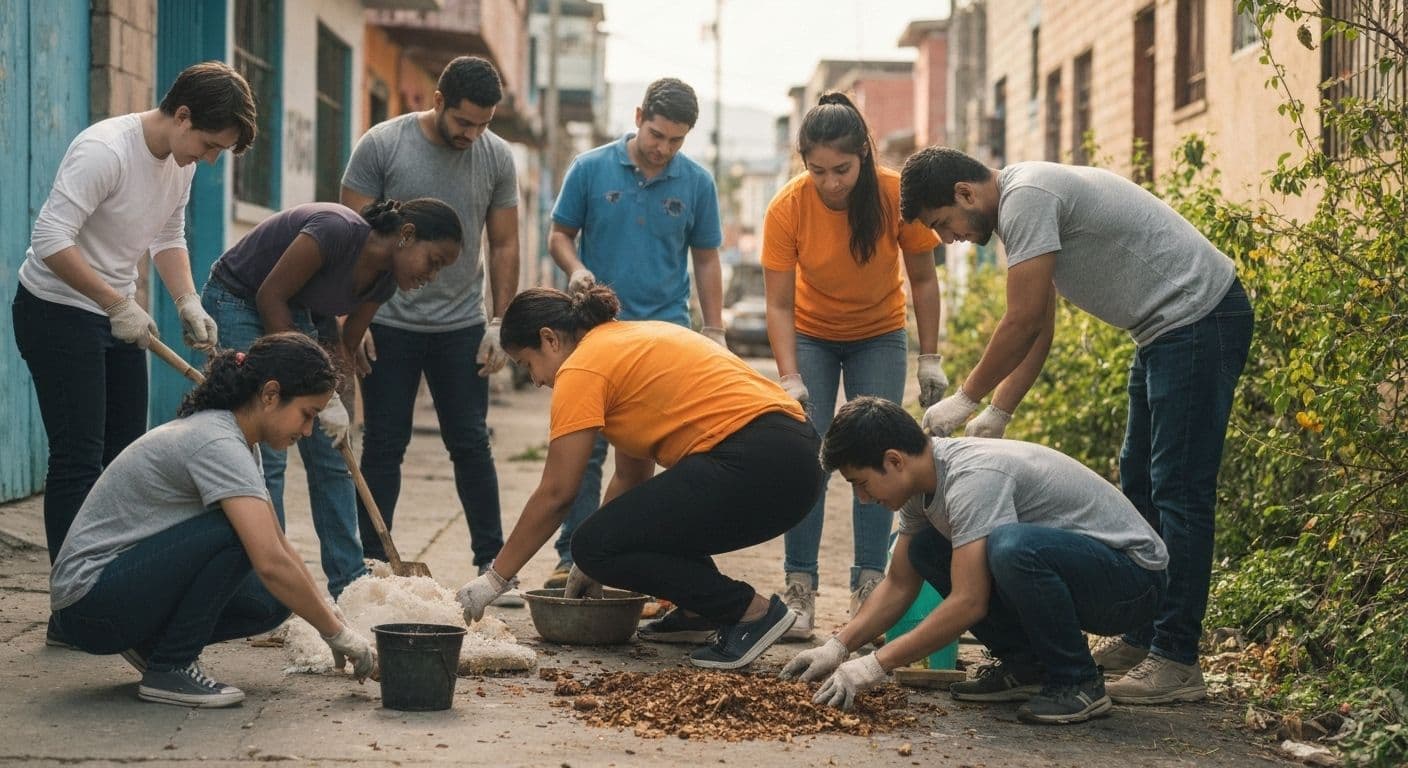
NSTP Self-Awareness: Why Field Immersion Beats Classroom Learning
Picture this: You're sitting in a classroom discussing community service, nodding along to concepts about empathy and social responsibility. Then, during your NSTP field immersion, you meet a single mother juggling three jobs, and something shifts inside you. That moment—when theory becomes reality—unlocks a level of nstp self awareness that no textbook discussion could ever reach. Field immersion doesn't just teach you about communities; it reveals truths about yourself you didn't know existed.
Traditional classroom discussions about service create intellectual understanding, but nstp field immersion creates emotional transformation. When you're face-to-face with real challenges, your brain activates regions associated with empathy, self-reflection, and emotional processing in ways that passive learning simply cannot trigger. This experiential learning creates neural pathways that strengthen emotional intelligence development far beyond what theoretical discussions achieve.
How NSTP Field Immersion Develops Self-Awareness Through Real Emotions
Here's the psychological reality: nstp self awareness development accelerates when you experience authentic emotions that classroom settings cannot replicate. During field immersion, you're not discussing poverty—you're witnessing it. You're not theorizing about resilience—you're feeling humbled by someone's strength despite overwhelming odds. These genuine emotional responses become your most valuable teachers.
Field work reveals your personal values, hidden biases, and emotional patterns with startling clarity. Maybe you discover unexpected discomfort when talking with elderly community members, revealing ageist assumptions you didn't know you carried. Perhaps you feel disproportionate frustration when things don't go as planned, highlighting your need for control. This emotional data gathered from direct experience provides insights that abstract discussions about service never could.
The mirror effect of nstp self awareness happens when seeing others' struggles reflects insights about your own emotional landscape. A community member's anxiety about providing for their family might resonate with your own fears about the future. Their courage in facing daily challenges might illuminate your tendency to avoid discomfort. This reflective process, impossible in traditional classroom discussions, creates profound self-discovery through service.
Field immersion pushes you beyond comfort zones in ways that reveal hidden strengths and growth areas. That moment when you successfully communicate across language barriers shows you capabilities you doubted. The discomfort of witnessing hardship tests your emotional resilience. These experiences provide opportunities for building mental resilience through real-world challenges rather than hypothetical scenarios.
Practical NSTP Self Awareness Techniques to Maximize Growth
Ready to transform your field immersion into powerful self-discovery? These nstp self awareness techniques help you capture insights that might otherwise slip away in the busy flow of community work.
Start with the 3-2-1 Reflection technique during or immediately after field sessions. Identify three emotions you felt, two personal reactions you noticed, and one clear insight about yourself. This structured approach prevents vague reflections and creates specific self-knowledge. For example: "I felt uncomfortable, protective, and inspired. I noticed myself stepping back initially, then overcompensating by taking charge. I learned that I use control as a defense against vulnerability."
Practice quick mental check-ins during field work by pausing periodically to ask: "What am I feeling right now and why?" This simple question, taking just seconds, builds real-time emotional awareness. You might notice anxiety when meeting new people, satisfaction when solving problems, or frustration when progress feels slow. These micro-observations accumulate into significant nstp self awareness development.
Use compare-and-contrast awareness to notice how you respond differently to various community members or situations. Do you feel more comfortable with children than adults? More patient in certain contexts than others? These patterns reveal important information about your emotional triggers and preferences that classroom discussions never expose.
The Surprise Tracker technique focuses your attention on moments that catch you off-guard emotionally. Surprises reveal assumptions and blind spots. If you're shocked by someone's generosity despite hardship, you're discovering your own cynicism. If you're unexpectedly moved by a simple interaction, you're learning what truly matters to you. Track these surprises—they're gold for building emotional intelligence through nstp.
Strengthening Your NSTP Self Awareness Journey Beyond the Field
The insights from nstp field immersion compound exponentially when you maintain consistent reflection practices. Each field session builds upon previous discoveries, creating a comprehensive understanding of your emotional patterns, values, and growth edges. This accumulated self-knowledge becomes a foundation for making better decisions in all life areas.
Apply these same nstp self awareness strategies to daily situations outside field work. That awkward conversation with a classmate? Use your 3-2-1 technique. Feeling stressed about deadlines? Do a quick mental check-in. The awareness skills developed during field immersion transfer beautifully to everyday challenges, improving relationships, stress management, and personal growth.
This developed self-awareness creates tangible benefits beyond NSTP requirements. Understanding your emotional patterns helps you navigate conflicts more skillfully. Recognizing your biases improves your interactions across differences. Knowing your stress responses enables better self-care. These practical advantages make investing in nstp self awareness techniques worthwhile far beyond your academic requirements.
Remember that growth mindset means viewing each field experience as valuable data about yourself, not as judgment or criticism. Had a moment where you felt overwhelmed and withdrew? That's information, not failure. Noticed yourself making assumptions? That's awareness, not shame. This non-judgmental curiosity about your emotional responses accelerates learning and builds genuine nstp self awareness.
Ready to transform your next field session into a powerful self-discovery experience? Choose one reflection technique from this guide and commit to using it during your upcoming NSTP immersion. That single practice will unlock insights about yourself that years of classroom discussions never could.



