


Nurturing Your Child's Self-Awareness Experience: Fun Everyday Activities
Nurturing a self awareness experience in children isn't just a nice parenting bonus—it's a fundamental gift that shapes their emotional intelligence for life. As parents, we have countless opportunities to help our little ones recognize their feelings, understand their thoughts, and connect with their inner worlds through everyday interactions. Creating these meaningful self awareness experience opportunities doesn't require special equipment or expertise—just intentionality in the moments you already share.
Research shows that children who develop strong self-awareness early on demonstrate better emotional regulation skills and more positive relationships throughout life. They're better equipped to navigate social situations, academic challenges, and eventually, workplace dynamics. The beauty of fostering this skill lies in its simplicity—the best self awareness experience happens naturally within your daily routine, where authentic emotions and reactions unfold.
When children understand their emotional landscape through guided self awareness experience, they gain the vocabulary and tools to express themselves constructively rather than through behavioral outbursts. This foundational skill becomes the cornerstone for developing empathy, resilience, and healthy boundaries as they grow.
Creating Daily Self-Awareness Experiences Through Play
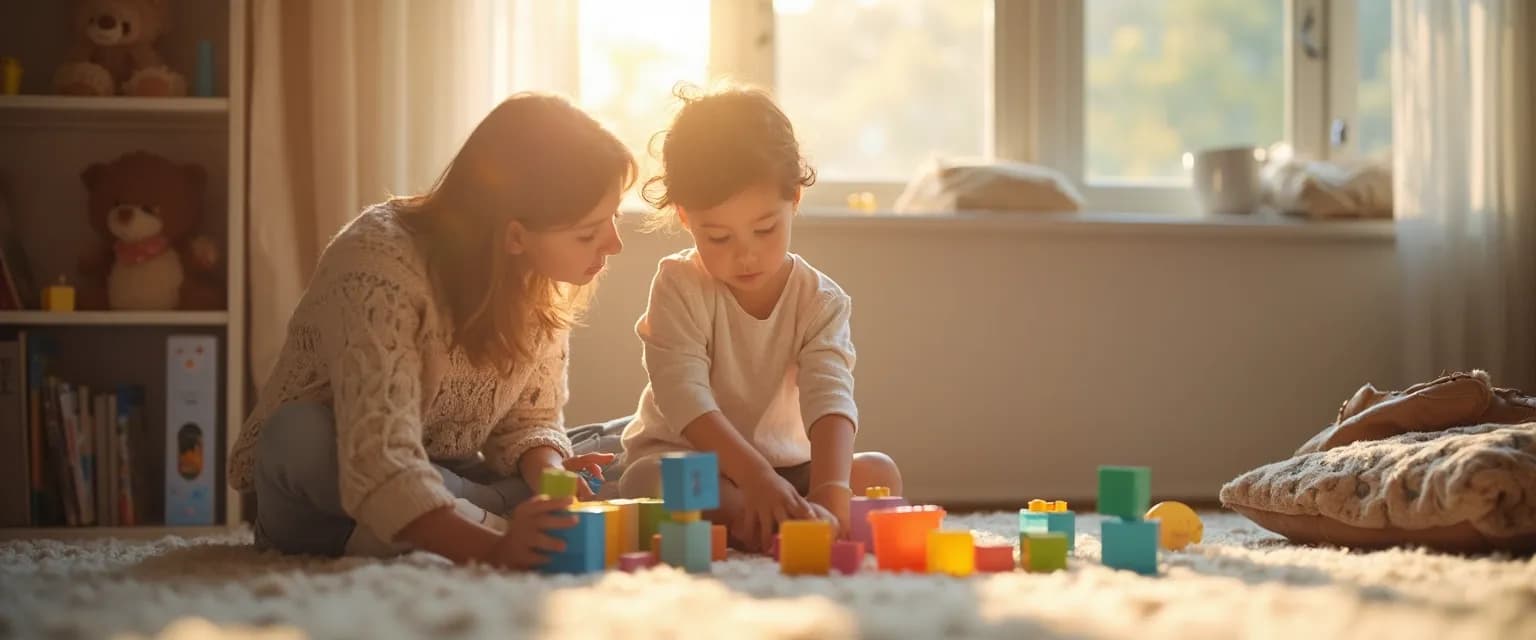
Play provides the perfect laboratory for self awareness experience opportunities. When children engage in imaginative activities, they naturally explore different perspectives and emotional states. Simple games like "emotion charades" where family members act out feelings for others to guess create enjoyable self awareness experience moments that build emotional vocabulary.
For toddlers, mirror play offers powerful self awareness experience benefits. Standing with your child in front of a mirror and making different expressions together helps them connect internal feelings with external expressions. Narrate what you see: "Look, you're smiling! You must feel happy right now." This simple practice reinforces the connection between emotions and physical sensations.
Toddler Self-Awareness Activities
Body-focused games create excellent self awareness experience opportunities for young children. "Simon Says" can be adapted to include body awareness prompts: "Simon says touch something that feels soft" or "Simon says show me what tired looks like." These playful moments help children tune into physical sensations and how emotions manifest in their bodies.
Sensory bins filled with different textures (rice, water beads, sand) provide tactile self awareness experience as children describe how materials feel against their skin. This practice in noticing and naming sensations builds the foundation for more complex emotional awareness later.
Elementary-Age Awareness Games
"Feelings Detectives" turns emotional recognition into an engaging self awareness experience. Encourage children to notice and identify emotions in storybook characters, family members, or themselves. Questions like "How do you think that character feels? How can you tell?" develop mindfulness techniques and observational skills.
Creating emotion-themed art projects offers another powerful self awareness experience. Prompt children to draw "what joy looks like" or "a time when you felt proud." These creative expressions help children externalize and process their emotional experiences while building self-understanding.
Transforming Challenges into Self-Awareness Experience Opportunities
Difficult moments often provide the richest self awareness experience opportunities. When your child feels frustrated or angry, resist the urge to immediately fix the situation. Instead, create space for reflection: "I notice you're clenching your fists. Are you feeling angry about something?"
This approach validates their experience while helping them connect physical sensations with emotional states—a core component of effective self awareness experience. By naming emotions without judgment, you help children develop the ability to recognize emotional triggers before reactions escalate.
Modeling your own self awareness experience shows children that emotional intelligence is a lifelong journey. When appropriate, share your own process: "I'm feeling frustrated right now, so I'm going to take three deep breaths to help me think clearly." This demonstrates healthy emotional management strategies while normalizing all feelings.
Family meetings provide structured self awareness experience opportunities where everyone can share feelings about household dynamics. Even young children benefit from being included in age-appropriate discussions about family challenges and celebrations, learning that their perspectives matter and that emotions can be discussed openly.
Creating a home environment that supports ongoing self awareness experience means establishing emotional safety. When children know their feelings won't be dismissed or punished, they're more likely to explore and express their authentic selves. This foundation of acceptance becomes the fertile ground where self-awareness naturally flourishes.
Remember that nurturing self awareness experience in children isn't about perfection—it's about presence and intention. Through everyday moments of connection, play, and even conflict, you're helping your child develop the emotional intelligence they'll carry throughout life. These seemingly small self awareness experience opportunities accumulate over time, shaping how your child understands themselves and relates to others in all their future relationships.



