


Parenting with EQ: Building Self Awareness, Self Management & Social Awareness
Remember that moment when your toddler had a meltdown in the grocery store, or when your teen stormed off after a disagreement? These challenging parenting moments highlight why developing self awareness, self management, and social awareness in children is so crucial. As parents, we're not just raising kids—we're nurturing future adults who need emotional intelligence to thrive in an increasingly complex world.
The foundation of emotional intelligence lies in self awareness, self management, and social awareness. Children who develop these skills early show remarkable advantages in school performance, relationship building, and overall happiness. Research consistently demonstrates that children with strong self awareness, self management, and social awareness skills are better equipped to handle life's inevitable challenges, from playground conflicts to academic pressures and beyond.
As a parent, you have the unique opportunity to shape these skills during your child's most formative years. Let's explore practical, age-appropriate strategies to foster these essential emotional intelligence components throughout your child's development.
Early Development: Fostering Self Awareness, Self Management and Social Awareness
During the toddler and preschool years, children are just beginning to recognize and name their emotions—the first step toward self awareness, self management, and social awareness. This developmental stage offers rich opportunities to lay the groundwork for emotional intelligence.
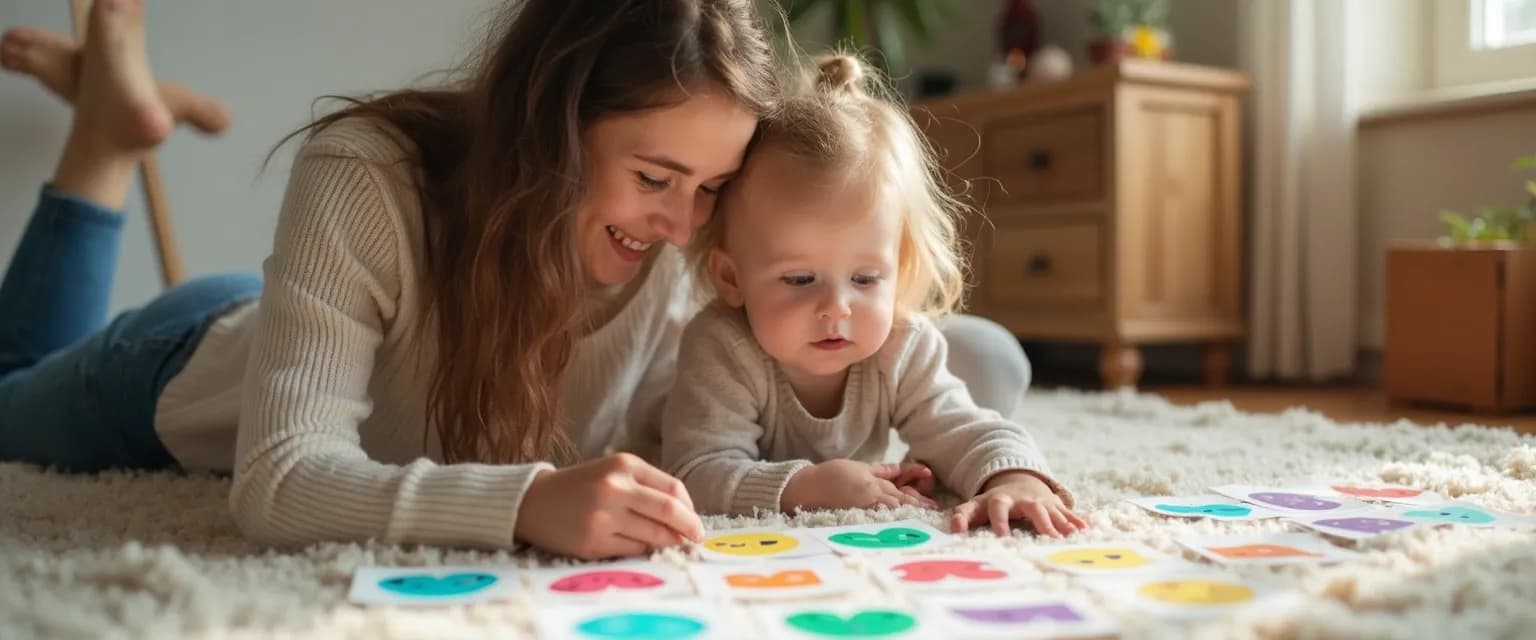
Start with simple emotion naming games. When your child expresses feelings, help them label what they're experiencing: "It looks like you're feeling frustrated because the blocks fell down." This builds their emotional vocabulary and mindfulness techniques that support self-awareness.
For early self-management skills, introduce "calm-down corners" with soft pillows, stuffed animals, and simple breathing exercises. Teach the "balloon breath"—breathing in deeply and exhaling slowly—as a tool they can use when emotions run high. When you notice your child successfully managing a difficult feeling, offer specific praise: "I noticed how you took deep breaths when you were angry instead of hitting. That was excellent self-control!"
To develop social awareness, use everyday moments to point out how others might be feeling: "Look at your friend's face. How do you think she feels about sharing her toy?" Reading picture books with emotional themes creates natural opportunities to discuss characters' feelings and perspectives, strengthening your child's empathy muscles and social observation skills.
Elementary Years: Strengthening Self Awareness, Self Management and Social Awareness
As children enter school age, they're ready for more sophisticated self awareness, self management, and social awareness activities. Try "emotion check-ins" where family members share their feelings at dinner time, helping children recognize emotional patterns and triggers.
For self-management, introduce the "pause button" technique—when emotions escalate, children imagine pressing a pause button to stop and think before reacting. Create a personalized "calm-down toolkit" with your child, including anxiety management strategies like stress balls, journals, or favorite calming music.
Enhance social awareness through "perspective glasses" role-play, where children imagine looking at situations through someone else's eyes. Discuss scenarios like: "How might your classmate feel when left out at recess?" This builds the crucial social intelligence skills that will serve them throughout life.
Supporting Self Awareness, Self Management and Social Awareness for Life Success
The self awareness, self management, and social awareness skills you're nurturing now become increasingly valuable as your child grows. These emotional intelligence components form the foundation for academic success, healthy relationships, and even career achievement later in life.
Make emotional check-ins a regular family practice. Simple questions like "What filled your emotional bucket today?" or "What challenged you?" normalize discussions about feelings and build confidence in emotional expression.
Remember that you're your child's most influential emotional intelligence teacher. When you model healthy self awareness, self management, and social awareness in your own life—acknowledging your feelings, managing your responses, and showing empathy—you provide powerful real-life lessons that no formal teaching can match.
By consistently investing in your child's emotional intelligence development, you're giving them invaluable tools for navigating life's complexities with confidence and compassion. The self awareness, self management, and social awareness skills you help them develop today will serve them throughout their lifetime, creating a foundation for happiness and success in all areas of life.



