


Promoting Self Awareness in the Classroom: How Emotional Tracking Boosts Learning by 40%
Picture this: a classroom where students learn 40% faster, retain information more effectively, and feel more confident in their abilities. This isn't science fiction—it's the proven result of promoting self awareness in the classroom through simple emotional tracking methods. When students understand their emotional states, they unlock cognitive processes that dramatically enhance learning performance.
Many teachers worry that adding anything new to their already packed schedules will derail curriculum progress. The good news? The most effective strategies for promoting self awareness in the classroom take just three minutes and fit seamlessly into existing transitions. These quick check-ins help students recognize patterns between their feelings and their learning, creating a powerful feedback loop that accelerates academic growth.
Research shows that emotional awareness isn't separate from academic performance—it's fundamental to it. Students who regularly track their emotions develop stronger emotional resilience and metacognitive skills that directly translate to better grades, improved focus, and deeper understanding of complex concepts.
The Science Behind Promoting Self Awareness in the Classroom
When students pause to identify their emotional states, they activate metacognitive processes that enhance learning capacity. This self-reflection creates neural pathways between the emotional centers of the brain and areas responsible for memory formation and attention regulation. The result? Students become active participants in their own learning rather than passive recipients of information.
Multiple studies confirm the connection between emotional intelligence and academic outcomes. Students who practice regular emotional check-ins show improved attention spans, better information retention, and enhanced problem-solving abilities. This happens because emotional awareness helps students recognize when they're in optimal learning states—and when they need to adjust their approach.
Self-aware students develop a crucial skill: they notice when frustration, anxiety, or confusion affects their comprehension. Instead of pushing through or shutting down, they learn to pause, acknowledge their emotional state, and apply strategies to return to productive learning. This emotional regulation directly impacts their ability to encode new information into long-term memory.
The benefits extend beyond individual performance. Classrooms that prioritize promoting self awareness in the classroom create environments where students feel safer taking intellectual risks, asking questions, and admitting when they don't understand something. This psychological safety accelerates learning across entire student populations, not just high performers.
Quick Daily Check-In Methods for Promoting Self Awareness in the Classroom
The most effective classroom check-in activities require minimal time and zero preparation. Start with a simple 1-5 emotion scale at the beginning of each lesson. Students quickly hold up fingers indicating their emotional readiness to learn, giving you immediate insight into classroom dynamics while helping them practice self-awareness techniques.
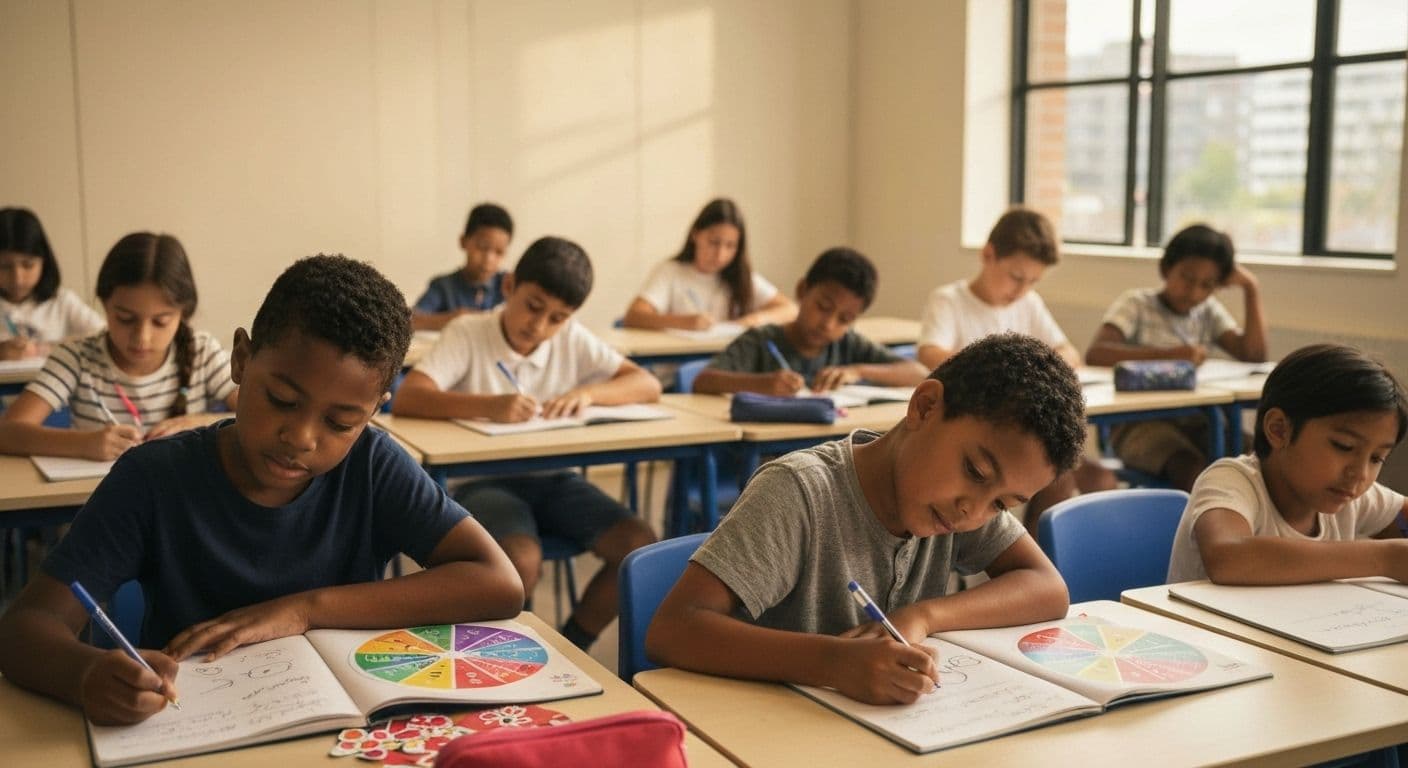
For visual learners, color-coded feelings charts work beautifully. Create a poster with emotions mapped to colors—green for calm and focused, yellow for distracted or anxious, red for overwhelmed or frustrated. Students point to their current state as they enter the classroom, creating awareness without verbal pressure.
Morning Check-In Routines
The thumbs-up, sideways, or down method offers the quickest emotional temperature reading. As students settle in, they show a quick thumb gesture indicating their readiness. This non-verbal approach works particularly well with younger students or those uncomfortable verbalizing feelings publicly.
Transition-Time Awareness Breaks
During subject transitions, try the one-word emotion share-out. Going around the room quickly, each student names one feeling word. This builds emotional vocabulary while taking just two minutes in larger classes. The key is maintaining pace—no explanations needed, just acknowledgment.
End-of-Lesson Reflection Prompts
Track patterns without creating grading burden by using simple observation notes. Notice when certain students consistently report anxiety before math or confidence during reading. These patterns reveal valuable insights about individual learning needs without requiring complex documentation systems. Students benefit from recognizing their own patterns, developing awareness of how different subjects and activities affect their mental energy throughout the day.
Implementing Self Awareness Practices Without Disrupting Your Curriculum
The secret to sustainable promoting self awareness in the classroom practices lies in integration, not addition. Use existing transitions—when students enter the room, switch subjects, or prepare to leave—as natural check-in moments. These transitions already exist, so you're simply adding intentional awareness rather than stealing curriculum time.
Subject-specific awareness moments prove particularly powerful. Before tackling challenging math problems, ask students to notice any anxiety or excitement. During reading comprehension, have them identify confidence levels with the material. These quick pauses help students connect emotional states to learning patterns, building self-knowledge that serves them across all subjects.
Ready to start tomorrow? Choose one method from this guide and commit to trying it for two weeks. The beauty of promoting self awareness in the classroom is that consistency matters more than perfection. Even imperfect implementation yields measurable benefits as students develop the habit of emotional check-ins.
The cumulative benefits of these simple practices compound over time. Students who regularly practice emotional awareness develop stronger self-regulation skills, improved focus, and better academic performance. By dedicating just three minutes daily to promoting self awareness in the classroom, you're investing in tools that accelerate learning while building emotional intelligence that serves students far beyond your classroom walls.



