


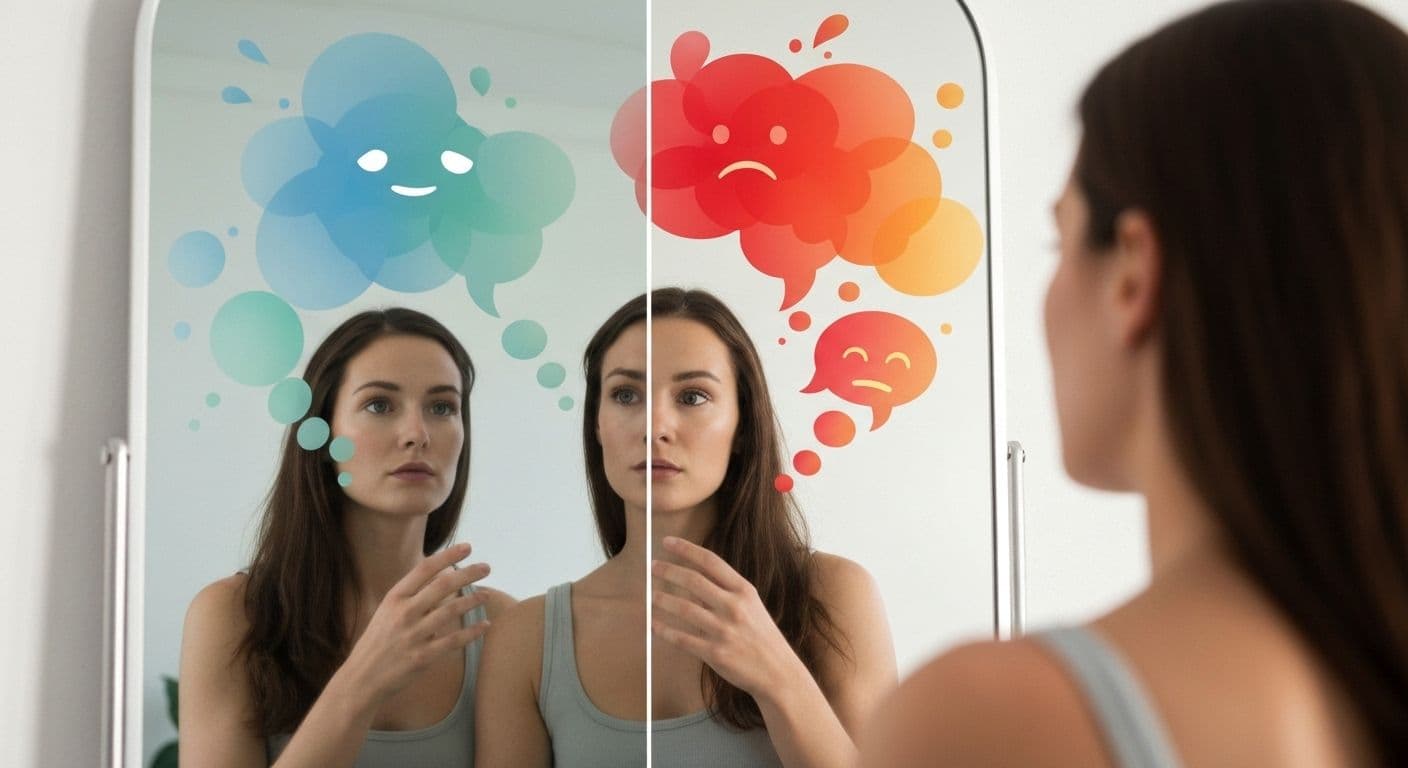
Self Awareness Comes From Daily Reactions, Not Tests | Mindfulness
You're sitting in traffic, and someone cuts you off. Your jaw clenches, your hands grip the steering wheel tighter, and a wave of frustration floods through you before you even realize what's happening. Or maybe you're scrolling through your phone when a friend's success story appears, and you feel an unexpected spark of joy—or perhaps a twinge of something else entirely. These split-second reactions aren't just random emotional blips. They're revealing something profound about who you are, what you value, and how you navigate the world. Here's the thing: genuine self awareness comes from these unguarded moments far more than any formal assessment or personality quiz ever could.
We've been conditioned to believe that understanding ourselves requires structured tests, professional evaluations, or deep introspective exercises. But the truth is, your everyday automatic responses are constantly broadcasting live data about your authentic self—no filters, no time to craft the "right" answer. Every time you react to a small inconvenience, celebrate a tiny win, or bristle at an unexpected comment, you're getting a glimpse behind the curtain of your conscious self-image. The question isn't whether you're self-aware enough to pass some test. It's whether you're paying attention to the signals your daily life is already sending you.
Why Self Awareness Comes From Observing Your Automatic Responses
When something happens that triggers emotions—whether it's frustration, delight, or defensiveness—your brain responds faster than conscious thought. These automatic reactions bypass the carefully constructed narrative you tell yourself about who you are. They reveal your actual priorities, boundaries, and emotional patterns in real-time.
Formal assessments have their place, but they suffer from a critical limitation: retrospective bias. When you're answering questions about how you "usually" behave, you're filtering through your self-image, social desirability, and how you wish you'd respond. Your brain is essentially creating a highlight reel rather than showing the raw footage. In contrast, self awareness comes from observing yourself in the moment, when there's no time to edit or rationalize.
Think about the last time you felt irritated by an interruption while working. That flash of annoyance wasn't random—it revealed something about your need for control, your relationship with focus, or perhaps your stress levels. Or consider how you react when someone questions your ideas. Do you get defensive? Curious? Excited to explore different perspectives? These unguarded moments are gold mines of authentic information about your emotional landscape.
The neuroscience backs this up. Your amygdala processes emotional stimuli in milliseconds, long before your prefrontal cortex can craft a socially acceptable response. This means your initial reactions are pure, unfiltered expressions of your values and emotional patterns. When you learn to catch these moments, you're accessing data that no questionnaire could ever capture.
How Self Awareness Comes From Recognizing Patterns in Your Daily Life
One defensive reaction tells you something. Ten similar reactions across different contexts reveal a pattern—and patterns are where the real insights live. Self awareness comes from connecting the dots between seemingly unrelated moments to understand the deeper themes running through your emotional life.
What consistently frustrates you? These recurring irritations are like breadcrumbs leading straight to your core values. If you're always bothered by inefficiency, that reveals something about your relationship with time and productivity. If disorganization in others triggers emotions, perhaps structure and order matter more to you than you realized. Your frustrations aren't character flaws—they're signposts pointing toward what matters most to you.
On the flip side, what brings you unexpected joy? Maybe you light up when helping someone solve a problem, or perhaps you feel energized when working independently on creative projects. These moments of genuine delight reveal your priorities and needs just as clearly as your frustrations do. Notice what excites you, and you'll discover what feeds your soul.
Here's a practical approach: Start observing your default responses under stress. Do you withdraw? Become hyperactive? Seek connection? Get irritable? These patterns reveal your coping mechanisms and emotional needs. Similarly, pay attention to situations where you feel consistently defensive—they often point to areas where you feel vulnerable or undervalued. Understanding these patterns gives you the roadmap to navigate your emotional world more skillfully.
Building Self Awareness That Comes From Real-World Observation
Ready to transform your daily reactions into lasting self-understanding? The practice is simpler than you might think. After a strong emotional response—whether positive or negative—pause for just ten seconds and ask yourself: "What does this reaction tell me about what matters to me?" This single question turns everyday experiences into opportunities for deeper self-understanding.
Remember, effective self awareness comes from consistency in observation, not perfection. You don't need to analyze every single reaction or maintain perfect emotional awareness. Start small. Pick one recurring situation—maybe your morning routine, your commute, or team meetings—and simply notice how you respond. What patterns emerge? What surprises you?
The beauty of this approach is that it works with your life as it already is. You're not adding another task to your plate or requiring yourself to sit in formal reflection. You're simply becoming curious about the information your reactions are already providing. And when you're ready to take this practice deeper, tools like Ahead help you track these patterns and build lasting awareness habits that stick.
Your daily reactions are telling a story about who you are, what you value, and what you need. The question is: are you listening? Because genuine self awareness comes from paying attention to these moments—one reaction, one pattern, one insight at a time.



