


Self Awareness Education: Why It Matters More Than Grades
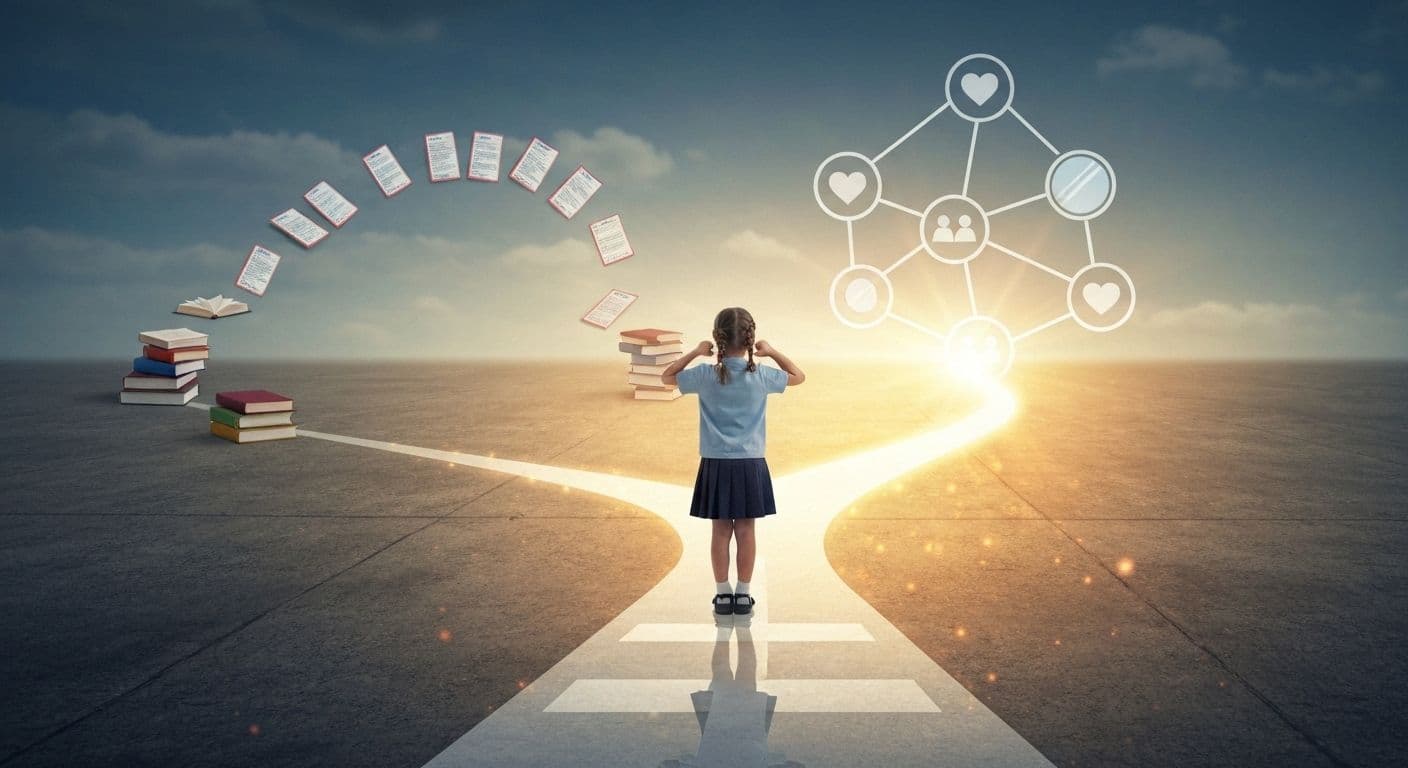
Picture two children: one brings home straight A's, memorizes facts effortlessly, and aces every standardized test. The other earns B's and C's but understands when they're feeling overwhelmed, communicates their needs clearly, and bounces back from setbacks with resilience. Fast forward ten years—which child is thriving in their career, maintaining healthy relationships, and navigating life's challenges with confidence? Research increasingly shows it's the second child, the one who received self awareness education alongside traditional academics.
Academic grades measure a narrow slice of intelligence—primarily the ability to memorize, follow instructions, and perform under testing conditions. But self awareness education equips children with something far more valuable: the ability to understand their emotions, recognize their strengths and limitations, and adapt to life's unpredictable demands. Modern employers and society value emotional intelligence skills that help people collaborate, innovate, and lead effectively—qualities that no report card can capture.
The question isn't whether academics matter, but whether we're preparing children for the full spectrum of challenges they'll face. When we prioritize self awareness education, we give them tools that transform how they approach every aspect of life, from career decisions to building self-trust in their choices.
How Self Awareness Education Builds Real-World Success
Self awareness education teaches children to recognize and regulate their emotions in real time—a skill that directly impacts decision-making quality. When a child understands why they're feeling frustrated during a group project, they can address the root cause instead of reacting impulsively. This emotional regulation translates into better workplace performance, as self-aware professionals navigate conflicts constructively and maintain composure under pressure.
Research from organizational psychology demonstrates that employees with high emotional intelligence consistently outperform their peers in job satisfaction and leadership effectiveness. A landmark study found that 90% of top performers possess strong self-awareness skills, while only 20% of low performers do. The correlation is clear: understanding yourself creates a competitive advantage that grades alone cannot provide.
Career Adaptability Through Self-Knowledge
Self awareness education helps children identify their genuine strengths and weaknesses, leading to more fulfilling career choices. Instead of pursuing paths that look impressive on paper, self-aware individuals gravitate toward roles that align with their values and natural abilities. This alignment reduces burnout and increases long-term career satisfaction.
Today's rapidly changing job market demands adaptability above all else. Self awareness education creates learners who embrace change because they understand how they respond to new situations. These individuals recognize when they need support, seek feedback proactively, and adjust their strategies based on what works for them personally—skills that matter far more than memorizing historical dates or algebraic formulas.
Emotional Regulation in Professional Settings
Workplaces reward those who can manage stress without letting it derail productivity. Children who receive self awareness education develop effective stress response techniques that serve them throughout their careers. They learn to pause before reacting, evaluate their emotional state objectively, and choose responses that serve their goals rather than providing momentary relief.
Why Self Awareness Education Strengthens Mental Health and Relationships
Self awareness education gives children the vocabulary and framework to identify stress and anxiety early, before these feelings escalate into overwhelming experiences. When a child can say "I'm feeling anxious because I'm worried about disappointing my team," they've taken the first step toward addressing the issue constructively rather than letting it fester.
Emotionally intelligent children build deeper, more meaningful connections because they understand both their own needs and others' perspectives. Self awareness education teaches empathy—not as an abstract concept, but as a practical skill for navigating relationships. These children set healthy boundaries, communicate their feelings clearly, and resolve conflicts without damaging relationships.
Relationship Quality Through Emotional Intelligence
Research consistently shows that self-aware individuals experience stronger relationships across all domains—friendships, romantic partnerships, and professional collaborations. They attract healthier connections because they understand what they bring to relationships and what they need from others. This clarity prevents the resentment and misunderstanding that plague many relationships.
Stress Management in Children
Evidence indicates that self-aware individuals experience significantly lower rates of burnout and depression. By recognizing their emotional patterns, they implement preventive strategies before reaching crisis points. Self awareness education transforms mental health from something that happens to you into something you actively manage.
Practical Ways to Integrate Self Awareness Education at Home
Ready to start building self awareness education into your child's daily routine? Begin with simple emotion-naming exercises during everyday moments. When your child seems frustrated, ask "What are you feeling right now?" and help them identify specific emotions beyond just "bad" or "upset."
Model self-awareness by thinking aloud about your own emotions: "I'm feeling impatient because I'm hungry and tired. I'm going to take a break before we continue this conversation." This demonstrates that self awareness education is a lifelong practice, not a destination.
Create judgment-free spaces where children can explore their feelings honestly. Instead of immediately problem-solving, practice reflective listening that validates their emotional experience. Ask questions like "What do you think caused that feeling?" or "How did your body feel when that happened?"
The future belongs to emotionally intelligent individuals who understand themselves deeply. By prioritizing self awareness education today, you're giving your child advantages that transcend any report card—tools they'll use every single day for the rest of their lives.



