


Self Awareness for Kindergarten: Emotion Games That Build Social Success
Picture this: It's recess, and your kindergartener watches a classmate crying on the playground. Instead of walking by or feeling confused, your child approaches and asks, "Are you sad? Do you want to play with me?" This simple moment of emotional recognition represents a profound milestone in social development. The foundation for this empathy? Self awareness for kindergarten—the ability to identify and understand emotions in themselves and others. These early emotional recognition skills determine how successfully your 5-year-old will navigate friendships, resolve conflicts, and build meaningful connections throughout life.
During the kindergarten years, children's brains are exceptionally receptive to developing emotional intelligence. This critical window offers parents and educators a unique opportunity to strengthen self awareness for kindergarten through playful, engaging activities. When children learn to name their feelings and recognize emotions in their peers, they're building neural pathways that support social confidence and emotional resilience for years to come.
The good news? You don't need fancy programs or expensive materials to nurture these essential skills. Simple emotion-spotting games, storytelling moments, and everyday interactions provide powerful opportunities to develop self awareness for kindergarten naturally.
How Self Awareness for Kindergarten Shapes Your Child's Social Brain
At age 5, children's brains undergo remarkable development in regions responsible for emotional processing and social understanding. The prefrontal cortex—which governs emotional regulation and empathy—is particularly malleable during these years. When kindergarteners practice identifying emotions, they're literally strengthening neural connections that support lifelong relationship skills.
Research shows that self awareness for kindergarten activities directly enhance children's ability to take others' perspectives. When your child learns to recognize "I feel frustrated when my tower falls down," they simultaneously develop the capacity to understand why their friend might feel upset in similar situations. This emotional literacy becomes the foundation for genuine empathy.
The social benefits extend far beyond individual friendships. Children with strong emotional recognition skills navigate classroom dynamics more successfully, experiencing fewer behavioral challenges and more positive peer interactions. They're better equipped to identify when someone needs help, recognize when they've hurt someone's feelings, and communicate their own needs effectively. These emotional awareness capabilities reduce conflict and create more harmonious learning environments.
Perhaps most importantly, kindergarteners who develop self awareness skills show increased confidence in social situations. They're less likely to react impulsively during disagreements and more capable of finding constructive solutions when conflicts arise. This emotional competence translates directly into social success, both in kindergarten and throughout their educational journey.
Playful Activities That Build Self Awareness for Kindergarten Children
The most effective self awareness for kindergarten techniques feel like play rather than lessons. Emotion charades transforms feelings into a fun guessing game—children take turns acting out emotions while others identify them. This activity strengthens both emotional expression and recognition simultaneously, making it perfect for home or classroom settings.
Picture books offer another powerful tool for developing self awareness for kindergarten. During story time, pause to ask questions like "How do you think the character feels right now?" or "What makes you think they're worried?" These simple prompts help children connect facial expressions, body language, and situations to specific emotions. The beauty of this approach lies in its zero-preparation requirement—any book becomes an emotional learning opportunity.
Games That Require No Preparation
Mirror activities provide immediate, engaging practice with emotional recognition. Stand facing your child and make different emotional expressions, asking them to mirror you while naming the feeling. Then switch roles. This simple exercise helps kindergarteners connect internal feelings with external expressions—a crucial component of self awareness for kindergarten development.
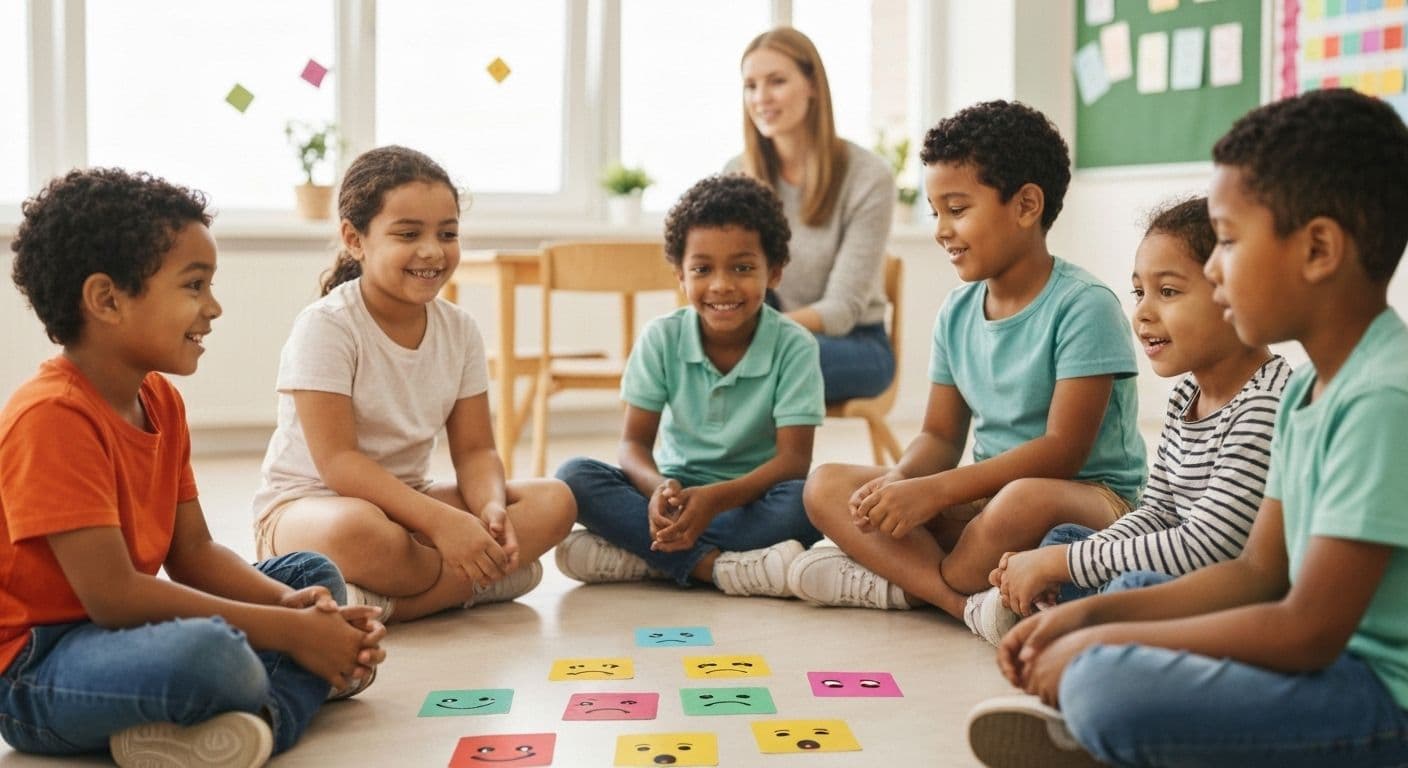
Creating emotion check-in routines during daily transitions strengthens emotional vocabulary naturally. Before snack time, circle time, or bedtime, ask "How is everyone feeling right now?" Encourage children to name their emotions using a feelings chart with simple faces. This consistent practice with emotional awareness builds recognition skills without feeling like work.
Activities for Home and Classroom
Role-playing scenarios teach emotional problem-solving in action. Set up simple situations: "Your friend took your toy without asking. Show me a sad face. Now show me how you could tell them how you feel." These rehearsals prepare children to navigate real emotional challenges with confidence and clarity.
Making Self Awareness for Kindergarten Part of Everyday Moments
The most sustainable self awareness for kindergarten strategies integrate seamlessly into daily life. Model emotional awareness through your own behavior by narrating your feelings: "I feel frustrated because I can't find my keys" or "I'm excited about our plans today!" This demonstrates that naming emotions is normal and helpful.
Use conversation starters that naturally develop emotional vocabulary. During car rides or meals, ask "What made you happy today?" or "Did anything make you feel worried?" These questions normalize emotional discussions while expanding your child's ability to identify and articulate feelings.
Reinforcing self awareness for kindergarten consistently leads to remarkable long-term benefits. Children who develop strong emotional recognition skills during these formative years carry this foundation into elementary school and beyond, showing enhanced social confidence, deeper friendships, and more effective conflict resolution abilities throughout their lives.
Ready to support your child's emotional development journey? Tools like the Ahead app provide additional resources and science-backed strategies for building emotional intelligence at every stage. By prioritizing self awareness for kindergarten now, you're giving your 5-year-old the social-emotional foundation they need to thrive.



