


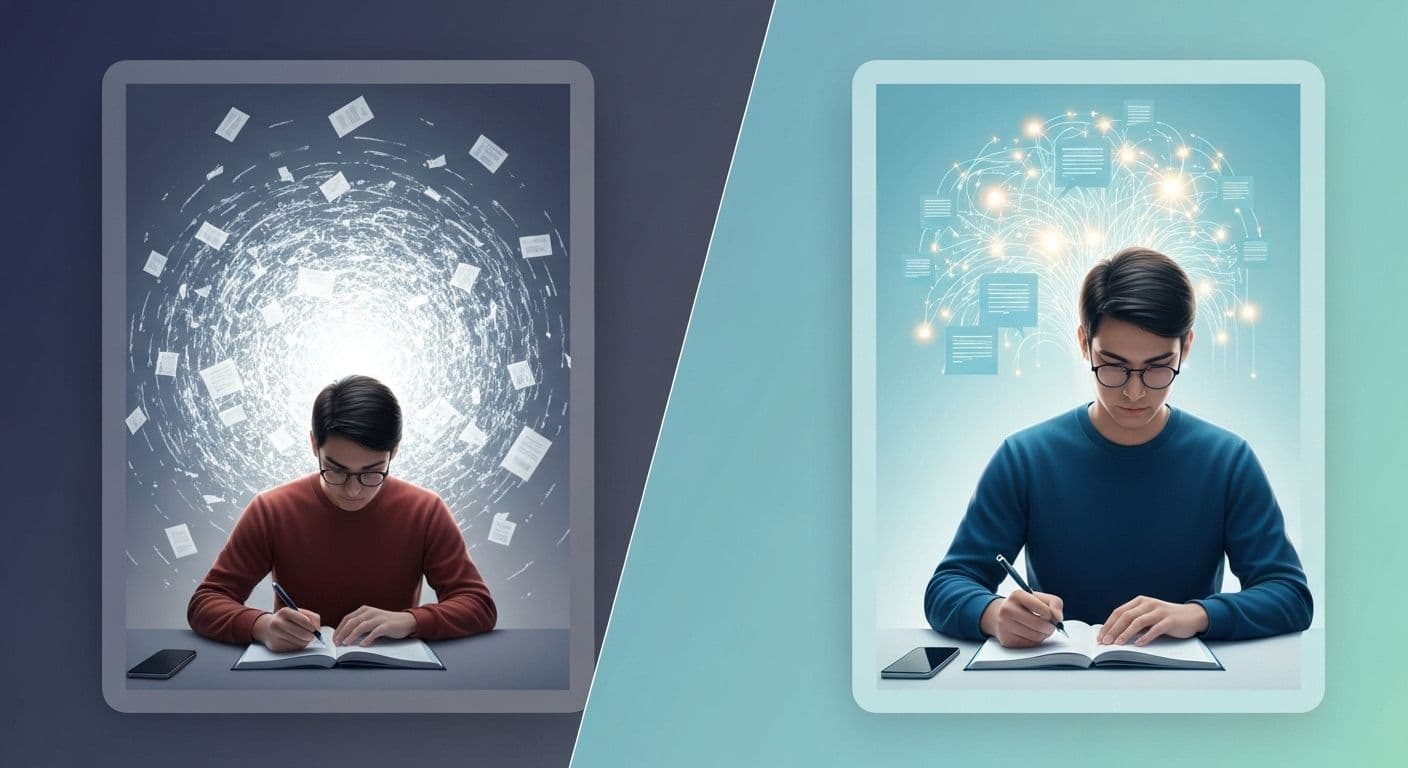
Self Awareness in Learning: Why It Boosts Memory Retention 3X
Ever wonder why some people seem to absorb information like a sponge while others struggle to remember what they studied yesterday? The secret isn't about working harder—it's about working smarter through self awareness in learning. Research shows that self-aware learners retain information three times better than their peers, and the reason is fascinating: they understand how their own brains work best.
Self-aware learners don't just consume information; they actively monitor how they're processing it. They notice when their focus drifts, recognize which environments help them concentrate, and adjust their approach based on what's actually working. This metacognitive advantage—literally thinking about their thinking—creates stronger neural connections and deeper memory encoding. The result? Information sticks around long after the study session ends.
Here's the exciting part: this isn't some innate talent you either have or don't have. Self awareness in learning is a skill you can develop, and once you do, everything changes. You'll stop wasting time on study techniques that don't work for you and start building a personalized learning approach that aligns with your unique cognitive patterns. Ready to discover why self-aware learners have such a massive advantage?
The Science Behind Self Awareness in Learning and Memory
Your brain is constantly processing information, but not all processing is created equal. When you engage in metacognition—actively monitoring your own thought processes—you activate additional neural pathways that strengthen memory formation. Think of it like this: regular learning creates one path to a memory, but self-aware learning creates multiple interconnected highways.
Here's where it gets interesting. Self-aware learners naturally engage in deeper processing because they're not just reading or listening—they're evaluating their understanding in real-time. They ask themselves questions like "Do I actually get this?" or "How does this connect to what I already know?" This constant self-monitoring forces the brain to work with information more actively, which is exactly what creates lasting memories.
Your emotional state plays a surprisingly powerful role in this process. When you recognize that you're feeling anxious or distracted, you can address it before it sabotages your learning session. Self-aware learners understand that emotional patterns affect cognitive performance, so they monitor their internal state and adjust accordingly. This emotional intelligence in learning isn't optional—it's essential for optimal retention.
Research consistently demonstrates that students who practice metacognitive awareness don't just remember more; they understand more deeply. They develop adaptive learning strategies that evolve based on what works, rather than stubbornly sticking to ineffective methods. The connection between self-monitoring and learning success isn't coincidental—it's fundamental to how human memory actually works.
Identifying Your Optimal Learning Conditions Through Self Awareness
Your brain has preferences, and learning to recognize them transforms your retention rates. Self awareness in learning starts with noticing patterns: when does information seem to click effortlessly versus when does everything feel like a struggle? These aren't random fluctuations—they're clues about your optimal learning conditions.
Energy levels fluctuate throughout the day, and self-aware learners pay attention to these rhythms. Some people's brains are sharpest in the morning, while others hit their cognitive peak in the evening. Instead of fighting against your natural patterns, use them to your advantage. Schedule your most challenging learning sessions when your brain is naturally most receptive.
Environmental factors matter more than most people realize. Does background noise help you focus or distract you? Do you learn better sitting or moving? Is your retention stronger when you're slightly cool or comfortably warm? These might seem like minor details, but they add up to significant differences in how well information sticks. The key is becoming curious about what actually works for you, not what should theoretically work.
Quick self-check methods make this process practical. Before starting a learning session, take thirty seconds to assess: How's my energy level right now? What's my emotional state? Is my environment set up for success? This simple practice of checking in with yourself creates awareness that directly improves retention. You'll start noticing patterns that help you predict and optimize your learning performance.
Practical Self Awareness Strategies to Triple Your Learning Retention
Let's get specific about how to apply self awareness in learning to boost your retention. Start with pre-learning check-ins: before diving into new material, spend a minute assessing your current state. Are you mentally ready to absorb information, or do you need a quick reset? This tiny pause makes a massive difference because it prevents you from wasting time studying when your brain isn't prepared to encode memories effectively.
During learning sessions, practice real-time awareness. Notice when your mind wanders—not to judge yourself, but to bring your attention back. Self-aware learners recognize that comprehension feels different from just reading words, and they pause when understanding breaks down. This might mean re-reading a paragraph, trying a different explanation, or taking a brief movement break to reset focus.
Micro-adjustments are where the magic happens. If you notice you're struggling with a particular format, switch it up. Feeling restless? Try incorporating movement into your learning. Information not sticking? Test yourself immediately rather than continuing to passively review. These small pivots based on self-observation compound into dramatically better retention.
Building sustainable self-awareness habits doesn't require elaborate systems. Simply end each learning session by asking: What worked well today? What felt like a struggle? What would I adjust next time? This brief reflection strengthens your understanding of your personal learning patterns. Over time, you'll develop an intuitive sense of how to set yourself up for optimal retention every single time.
The beauty of self awareness in learning is that it's endlessly adaptable. You're not following someone else's rigid system—you're becoming an expert on yourself. Experiment with different approaches, stay curious about what you discover, and trust that this self-knowledge will transform how effectively you retain information. Your brain is unique, and learning to work with it rather than against it is the ultimate retention superpower.



