


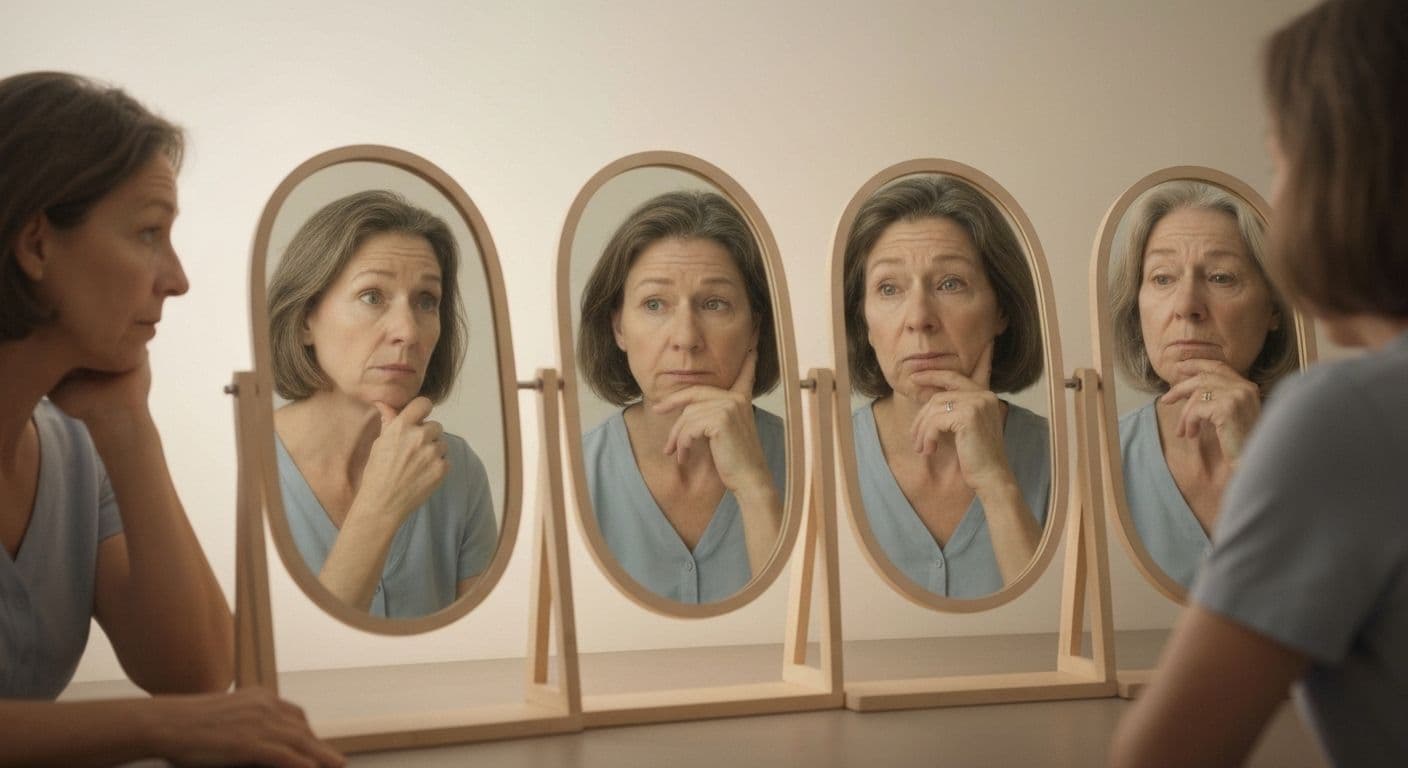
Self-Awareness Is a Lifelong Process: What Changes in Each Decade
Remember when you thought you had yourself all figured out at 25? Fast forward twenty years, and that confident self-knowledge feels almost charmingly naive. The way you understand yourself at different ages isn't just about accumulating wisdom—it's about how your brain literally changes its capacity for introspection. Here's the truth: self awareness is a lifelong process, not a destination you reach and check off your list. Your ability to see yourself clearly shifts dramatically through each decade, shaped by both neurological development and the accumulated weight of lived experience.
What makes this journey fascinating is that self-awareness doesn't just deepen linearly—it transforms in character. The self-reflection you do in your thirties uses different neural pathways and focuses on different questions than what you'll naturally gravitate toward in your fifties. Understanding these predictable shifts helps you adapt your approach to building emotional intelligence as you move through life's chapters.
This guide walks you through what to expect in each decade, how your brain's architecture supports different types of self-awareness at different ages, and how to work with—rather than against—these natural developmental patterns.
Your 20s and 30s: When Self Awareness Is a Lifelong Process Begins
Your brain doesn't finish construction until around age 25, when the prefrontal cortex—your command center for self-reflection and impulse control—finally reaches full maturity. This means your capacity for genuine self-awareness literally wasn't available until your mid-twenties. Before that, you were working with incomplete neural equipment.
In your twenties, self-awareness focuses heavily on identity formation. You're answering the fundamental question: "Who am I when I'm not just reflecting my family's expectations or my peer group's values?" This decade brings discoveries about your authentic preferences, values, and reactions. The self-reflection feels exploratory, sometimes scattered, as you test different versions of yourself.
Your thirties introduce pattern recognition. With enough data points collected, you start noticing: "I always react this way when someone questions my competence" or "I consistently feel drained after these types of social situations." This is when many people have their first major insight that their emotional reactions are choices, not automatic responses hardwired into their personality.
During these high-energy decades, simple check-ins work best. Your life is packed with career building, relationship forming, and possibly early parenting. Quick, focused moments of self-reflection—like a two-minute emotional awareness practice—fit better than lengthy introspection sessions. The key is consistency over duration.
Your 40s Through 60s: How the Lifelong Process of Self Awareness Deepens
Something shifts in your forties. The scattered puzzle pieces of your earlier decades start forming a coherent picture. This integration phase connects past experiences into a narrative that makes sense: "Oh, that pattern I noticed in my thirties actually stems from this earlier experience, and it's been influencing my choices in these specific ways."
Your brain's emotional regulation systems reach peak maturity during this period. The neural pathways between your emotional centers and reasoning centers become more efficient, meaning you can observe your feelings with less reactivity. You're not fighting your emotions as much—you're getting curious about them.
The fifties often bring a liberating perspective shift. With enough life experience, you care significantly less about others' opinions and develop stronger internal clarity about what matters to you. This isn't about becoming rigid—it's about knowing yourself well enough that external validation becomes less necessary for decision-making.
By your sixties and beyond, you enter what researchers call the wisdom phase. You can see patterns across your entire life span, connecting dots that weren't visible when you were living through individual chapters. This accumulated experience makes self-awareness practices more efficient—you need less time to reach deeper insights because your brain has built extensive reference libraries.
The practical adjustment for these decades: shorter, more focused reflection sessions often yield richer results than they did in your younger years. You're not starting from scratch with each introspective moment—you're building on decades of accumulated self-knowledge and neural development.
Adapting Your Practice as Self Awareness Is a Lifelong Process Unfolds
Here's the encouraging news: effective self-awareness practices should change with each decade, and that's a feature, not a bug. What worked brilliantly in your twenties might feel forced in your fifties. Younger years benefit from curiosity-driven exploration—trying different reflection techniques, experimenting with various approaches to understanding yourself. Later years thrive on integration—connecting insights and refining your existing self-knowledge rather than starting fresh explorations.
The key insight that changes everything: self-awareness actually gets easier and more natural with practice over time. Your brain builds stronger neural pathways for introspection with each year of consistent practice. It's like compound interest for your emotional intelligence—small regular investments yield increasingly substantial returns.
Ready to match your reflection style to your current life stage? Consider where you are now. If you're in your twenties or thirties, embrace the exploration. Ask "what" and "who" questions: "What do I value?" "Who do I want to become?" If you're in your forties and beyond, focus on "why" and "how" questions: "Why does this pattern persist?" "How do these pieces connect?"
Wherever you are in your journey, that's exactly the right starting point. Self awareness is a lifelong process means you're never behind—you're simply at your current chapter, with all the neural equipment and life experience appropriate for this stage. The beauty of this continuous evolution is that each decade brings new capacities for understanding yourself, making the journey endlessly rich rather than repetitively stale.



