


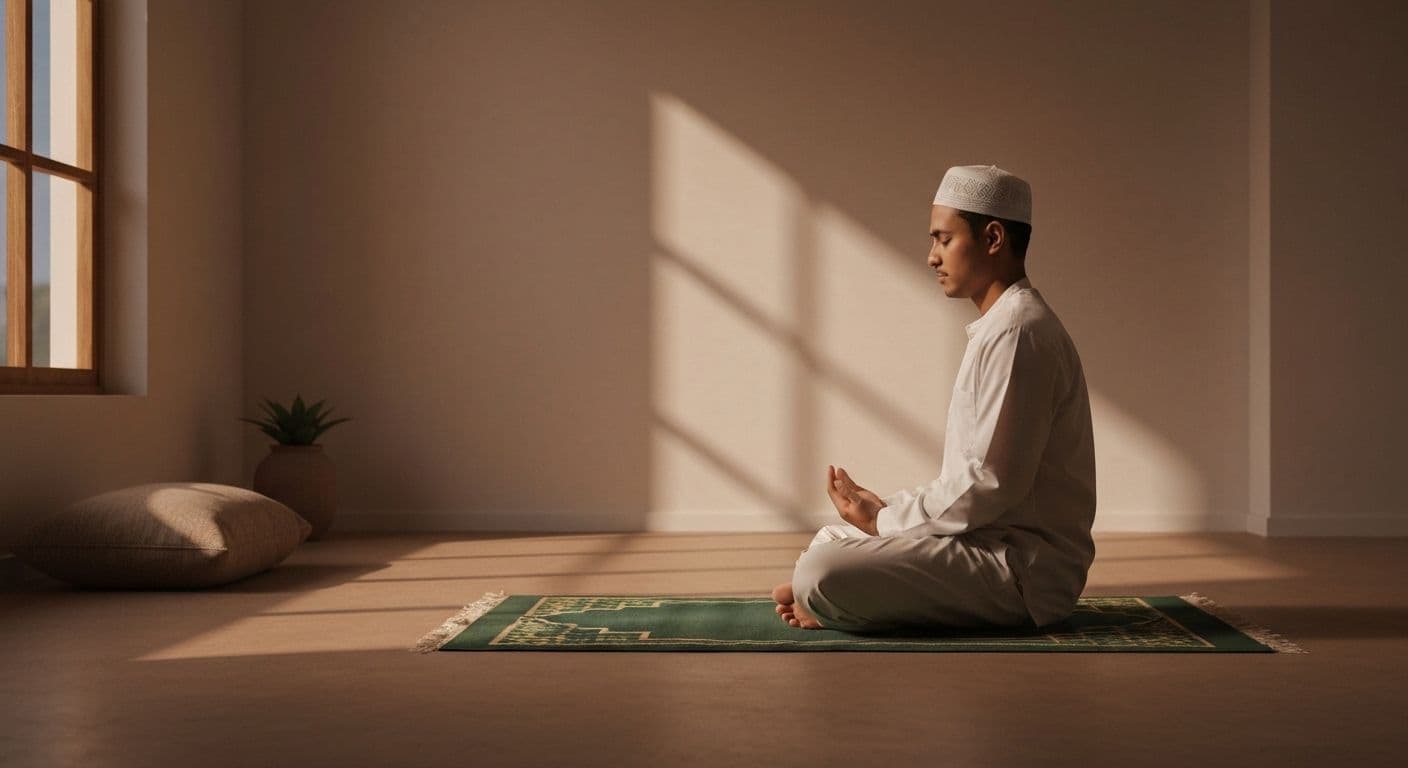
Self Awareness Islam: 5 Mindful Salah Techniques for Modern Muslims
You already know the power of Salah—five daily opportunities to pause, reset, and connect. But what if your prayers could do more than fulfill a spiritual obligation? What if each ruku, each sujood, each moment of standing before your Creator could become a mirror reflecting your inner emotional landscape? This is the heart of self awareness islam: transforming the rituals you already practice into profound tools for understanding yourself. Modern Muslims often rush through prayers on autopilot, mentally rehearsing tomorrow's meeting or replaying today's frustrations. Yet the framework for deep self-discovery is already there, woven into the movements and intentions of Salah itself.
The beauty of building emotional awareness through prayer is that it requires no extra time commitments. You're not adding another task to your overwhelming schedule—you're enriching what you already do. These five mindful prayer techniques turn your existing Salah practice into a powerful self-awareness exercise, helping you notice patterns in your emotions, thoughts, and reactions throughout each day. Think of it as upgrading your prayer from routine to revelation, from obligation to opportunity.
Building Self Awareness Islam Foundations: Intention and Presence in Prayer
Before you raise your hands for takbir, pause for five seconds. This is Technique 1: emotionally-aware intention setting. Instead of a rushed "I intend to pray Dhuhr," ask yourself: "What am I feeling right now?" Angry? Anxious? Calm? Rushed? Name the emotion silently, then set your niyyah. This simple practice creates a baseline for noticing what shifts during your prayer. You're not judging the emotion—you're simply acknowledging it exists, which is the foundation of self awareness islam teachings.
Technique 2 transforms your physical movements into anchors for self-observation. During ruku, as you bow, notice the sensation of your spine lengthening and your hands on your knees. This mindful movement in Salah grounds you in the present moment. When you transition to sujood, that forehead-to-ground position naturally creates mental space. Your brain, in this posture of ultimate humility, becomes quieter. Use this moment to observe your thoughts without grabbing onto them. What's floating through your mind? Worry about work? Frustration from an earlier conversation?
The Islamic concept of khushu—that quality of presence and humility in prayer—aligns perfectly with modern mindfulness research on self-awareness. Studies show that pairing physical anchors with mental observation strengthens your ability to recognize emotional patterns. Your sujood isn't just worship; it's a laboratory for understanding how your mind works. Each prostration becomes an opportunity to witness your thoughts and feelings with the same compassion Allah shows you.
Advanced Self Awareness Islam Practices: Tracking and Reflecting Through Prayer Times
Technique 3 takes just 30 seconds after your tasleem. Before you stand up from your prayer rug, ask yourself: "What shifted?" Did that knot of anxiety in your chest loosen? Did clarity emerge about a difficult decision? This post-prayer micro-reflection builds your capacity to notice internal changes. You're training yourself to recognize that your emotional state isn't fixed—it moves, shifts, and responds to spiritual practice.
Technique 4 leverages the natural rhythm of five daily prayers to reveal emotional patterns. Notice how you feel at Fajr versus Maghrib. Many people discover they're most anxious during morning prayers and most reflective in the evening. Perhaps anger surfaces most strongly before Asr, right when your workday stress peaks. This isn't about fixing anything—it's about recognizing when certain emotions naturally arise. Understanding these patterns gives you practical tools for managing difficult feelings before they escalate.
Technique 5 turns your tasbeeh into a self-monitoring tool. As you recite "SubhanAllah" 33 times, pair every tenth repetition with a quick self-check question: "What am I feeling now?" This practice builds a habit of regular emotional check-ins without the high-effort demand of journaling. Your dhikr beads become a gentle reminder to turn your attention inward, noticing shifts in your mood, energy, and mental clarity throughout your prayer routine.
Integrating Self Awareness Islam Techniques Into Your Daily Salah Routine
These five techniques work together to create a comprehensive self awareness islam system within your existing prayer schedule. Start with just Technique 1—emotionally-aware intention setting—for one week. Once that feels natural, add mindful movement during ruku and sujood. Gradually layer in the other practices as they become second nature. The goal isn't perfection; it's consistent, gentle observation that reveals patterns over time.
Some worry these practices might distract from spiritual connection, but the opposite is true. Self awareness islam doesn't compete with devotion—it deepens it. When you understand your emotional landscape, you connect more authentically with your Creator. You're not adding burden to your prayers; you're rediscovering the transformative power already within them. Your Salah becomes both worship and wisdom, both obligation and opportunity for profound self-discovery.



