


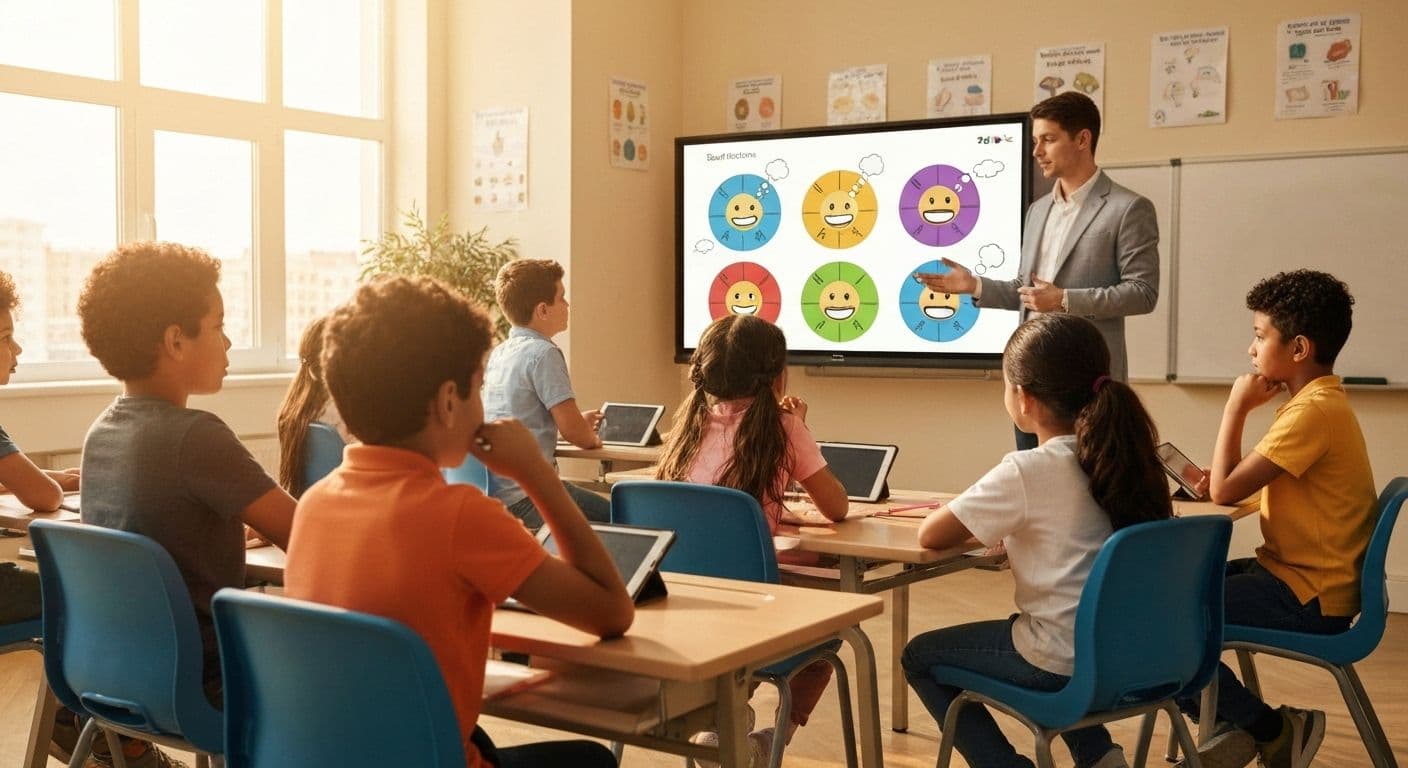
Self Awareness PowerPoint: Teaching Emotional Intelligence to Students
Ever tried explaining feelings to a classroom full of students and watched their eyes glaze over? You're not alone. Abstract emotional concepts can feel impossible to teach, especially when young minds need concrete examples to grasp what's happening inside their heads. Here's the surprising solution: a self awareness powerpoint presentation can transform these intangible ideas into engaging, visual lessons that actually stick. When designed thoughtfully, PowerPoint becomes more than just slides—it becomes a powerful tool for building emotional intelligence in your students.
The beauty of using self awareness powerpoint presentations lies in their ability to meet students where they are: as visual learners who respond to interactive content. Rather than lecturing about emotions, you're showing them, engaging them, and giving them frameworks they can reference again and again. The right presentation approach makes emotional intelligence teachable, measurable, and—dare we say it—actually fun for your classroom.
Creating Effective Self Awareness PowerPoint Presentations That Engage Students
Let's start with the foundation: design principles that actually work. Your best self awareness powerpoint begins with relatable scenarios pulled straight from student life. Think lunchroom conflicts, test anxiety, or friendship drama—situations they encounter daily. Pair these with emotion wheels that visually map feelings, helping students identify what they're experiencing. Visual metaphors work wonders too: show emotions as weather systems, or thoughts as different radio stations they can tune into.
The magic happens when you add interactive elements to your self awareness powerpoint. Poll slides that ask "How would you feel in this situation?" get everyone participating. Reflection prompts embedded throughout encourage students to pause and think. "What would you do?" scenarios with multiple choice options spark discussions and reveal different perspectives. This interactive approach transforms passive viewers into active learners who engage with emotional awareness concepts in real-time.
Visual Design Best Practices
Structure your self awareness powerpoint with clear emotion identification exercises paired with compelling visual cues. Use color psychology strategically—warm colors for energizing emotions, cool tones for calming ones. Age-appropriate examples matter enormously; elementary students need different scenarios than high schoolers. Keep text minimal and images prominent, ensuring even reluctant readers stay engaged.
Interactive Slide Templates
Incorporate multimedia elements that trigger emotional reflection. Short video clips showing facial expressions, audio cues of different voice tones, or animated scenarios that unfold based on student choices all enhance your powerpoint for emotional intelligence. These varied inputs help different learning styles connect with the material, making self-awareness activities accessible to every student in your classroom.
Ready-to-Use Self Awareness PowerPoint Activities for Your Classroom
Ready to implement these ideas? Start with the "Emotion Detective" activity. Present different scenarios on slides—a student sitting alone at lunch, someone celebrating a goal, a peer looking down at their desk—and have students identify the emotions they observe. This builds empathy while sharpening emotional recognition skills.
The "Thought-Feeling Connection" exercise uses branching slide paths to demonstrate how thoughts shape emotions. Show a scenario, then branch into different thought patterns: "They don't like me" leads to one emotional outcome, while "Maybe they're having a bad day" leads to another. Students see cause-and-effect relationships between thinking and feeling, which supports anxiety management skills.
Try the "Personal Strengths Inventory" as an interactive self awareness powerpoint activity where students click through questions to discover their emotional patterns. Do they process feelings quickly or slowly? Are they more sensitive to certain emotions? These insights help students understand their unique emotional landscape.
Discussion prompts embedded throughout your classroom emotional intelligence exercises encourage peer sharing. Questions like "When have you felt this way?" or "What helped you handle this emotion?" create safe spaces for students to connect their experiences with the concepts you're teaching.
Daily check-in slides provide quick, consistent practice. Start each class with a simple "How are you feeling today?" slide featuring different emotion words and faces. This routine normalizes talking about feelings and gives you valuable insight into your students' emotional states.
Implementing Your Self Awareness PowerPoint Strategy for Long-Term Impact
Consistency transforms your self awareness powerpoint from a one-time lesson into lasting change. Schedule weekly sessions that build on previous lessons, creating a progressive curriculum. Each presentation should reference earlier concepts while introducing new emotional intelligence skills, helping student self-awareness development deepen over time.
Take it further by encouraging students to create their own emotion-tracking slides as homework. This hands-on approach reinforces learning while giving them ownership of their emotional education. Adapt your teaching emotional intelligence presentations based on age groups—simpler scenarios and vocabulary for younger students, more complex social situations for older ones.
Measure progress through engagement levels and self-reported emotional awareness improvements. Notice which self awareness powerpoint activities generate the most discussion. Track how students apply these concepts in real classroom situations. These indicators reveal whether your strategy is working.
Ready to start? Begin with one simple self awareness powerpoint presentation this week. Choose a single emotion, create three relatable scenarios, and add one interactive element. Build from there, and watch as your students develop emotional intelligence skills that serve them far beyond your classroom walls.



