


Self Awareness Program for Students: Why Your Child's Classroom Needs One
Picture this: Your child comes home from school, slams their backpack down, and bursts into tears because a classmate borrowed their pencil without asking. The reaction seems disproportionate to the situation, right? These moments of emotional overwhelm aren't just typical childhood drama—they're signals that kids need better tools to understand and manage their feelings. That's where a self awareness program for students becomes transformative. These programs teach children to recognize their emotions, understand their reactions, and make thoughtful choices instead of impulsive ones.
Self-awareness programs in classrooms aren't just feel-good initiatives—they're evidence-based approaches that address real challenges teachers and parents face daily. From reducing classroom disruptions to improving academic performance, implementing a self awareness program for students creates ripple effects that benefit everyone. The best part? You don't need to be an education expert to advocate for one in your child's school. This guide walks you through why these programs matter and exactly how to get one started, with practical steps you can take this week.
As classroom dynamics grow increasingly complex, emotional intelligence in schools has shifted from optional to essential. Research consistently shows that students who develop self-awareness skills early perform better academically, build stronger relationships, and develop resilience that serves them throughout life. Ready to become the catalyst for positive change in your child's classroom?
The Proven Benefits of a Self Awareness Program for Students
When schools implement an effective self awareness program for students, the results speak for themselves. Teachers report fewer behavioral disruptions as children learn to pause before reacting. Instead of immediately lashing out when frustrated, students equipped with self-awareness tools recognize their rising emotions and use breathing techniques to regain composure. This shift creates a calmer classroom environment where everyone can focus on learning.
Academic performance improves significantly when students understand their emotional states. A child who recognizes they're feeling anxious about a math test can apply stress management strategies rather than shutting down completely. Studies show that student self-awareness benefits extend to test scores, homework completion, and overall engagement with learning material. When your mind is clear, your brain has more capacity for absorbing new information.
Perhaps most importantly, self-awareness programs strengthen peer relationships. Children who understand their own emotions develop greater empathy for others' feelings. They communicate more effectively, resolve conflicts peacefully, and build genuine connections with classmates. These social skills become the foundation for healthy relationships throughout life—far beyond the classroom walls.
The long-term mental health benefits are equally compelling. Students who participate in self awareness program for students initiatives develop emotional resilience that protects against anxiety and depression later in life. They learn that emotions are temporary, manageable, and informative rather than overwhelming forces. This perspective shift creates a healthier relationship with their inner world that pays dividends for decades.
Creating Your Self Awareness Program for Students Proposal
Approaching school administrators might feel intimidating, but remember—you're offering a solution to challenges they already recognize. Start by scheduling a meeting with your child's teacher or the school counselor. Come prepared with specific examples of how a self awareness program for students addresses issues they've mentioned, whether that's classroom management, bullying prevention, or academic performance.
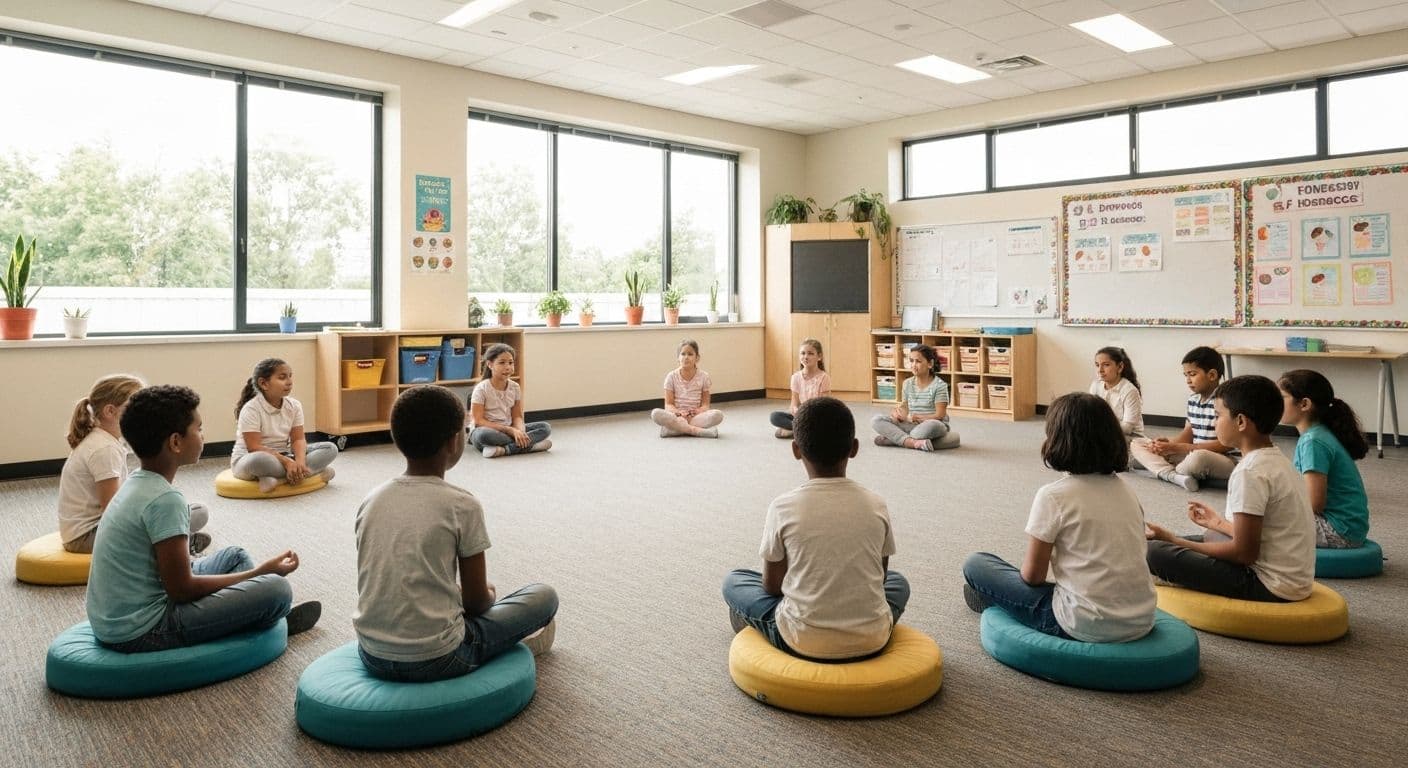
Your proposal should include clear goals (improved emotional regulation, reduced conflicts), simple methods (daily check-ins, emotion vocabulary building), and a realistic timeline. Emphasize that implementing school programs doesn't require overhauling the entire curriculum. The most effective self awareness program for students strategies integrate seamlessly into existing routines—a five-minute morning circle, brief breathing exercises before tests, or emotion check-ins during transitions.
Address the elephant in the room: time and resources. Teachers already feel stretched thin, so present your proposal as something that makes their job easier, not harder. Share research showing that students with better emotional regulation require less disciplinary intervention, freeing up more actual teaching time. Offer to help coordinate materials or connect the school with simple daily practices that require minimal preparation.
Building support among other parents strengthens your case considerably. Start conversations at pickup, share articles about student emotional intelligence curriculum benefits, and gauge interest in a collective approach. When administrators see that multiple families value this initiative, they're more likely to prioritize it. Consider phrases like: "We've noticed our children would benefit from tools to understand their emotions better. Research shows that self-awareness programs improve both behavior and academic outcomes."
Launching and Measuring Your Self Awareness Program for Students
Once approved, start simple. The best self awareness program for students begins with bite-sized activities that don't overwhelm teachers or students. Morning emotion check-ins take just minutes—students identify how they're feeling using an emotions chart or hand signals. This practice alone helps children develop emotional vocabulary and self-awareness without requiring complex lesson plans.
Breathing exercises before challenging tasks create natural integration points. Teachers can lead a quick "three deep breaths" exercise before tests or transitions. These student self-awareness activities become automatic over time, giving children tools they'll use independently. The key is consistency rather than duration—five minutes daily beats an hour-long workshop once monthly.
Track progress through observable changes rather than complicated assessments. Teachers can note behavioral shifts: Are conflicts resolving more peacefully? Are students better at expressing frustration appropriately? Simple teacher feedback forms every few weeks provide valuable measuring program success data without creating extra burden.
Adjust based on what works. If morning check-ins feel rushed, try afternoon reflection instead. If certain activities resonate particularly well, expand them. The most effective self awareness program for students evolves with the classroom's unique needs. Ready to take the first step? Download Ahead to access science-backed tools that support your child's emotional growth both at school and home—because self-awareness skills flourish with consistent practice everywhere.



