


Teaching Self Awareness to Preschoolers Through Storytelling
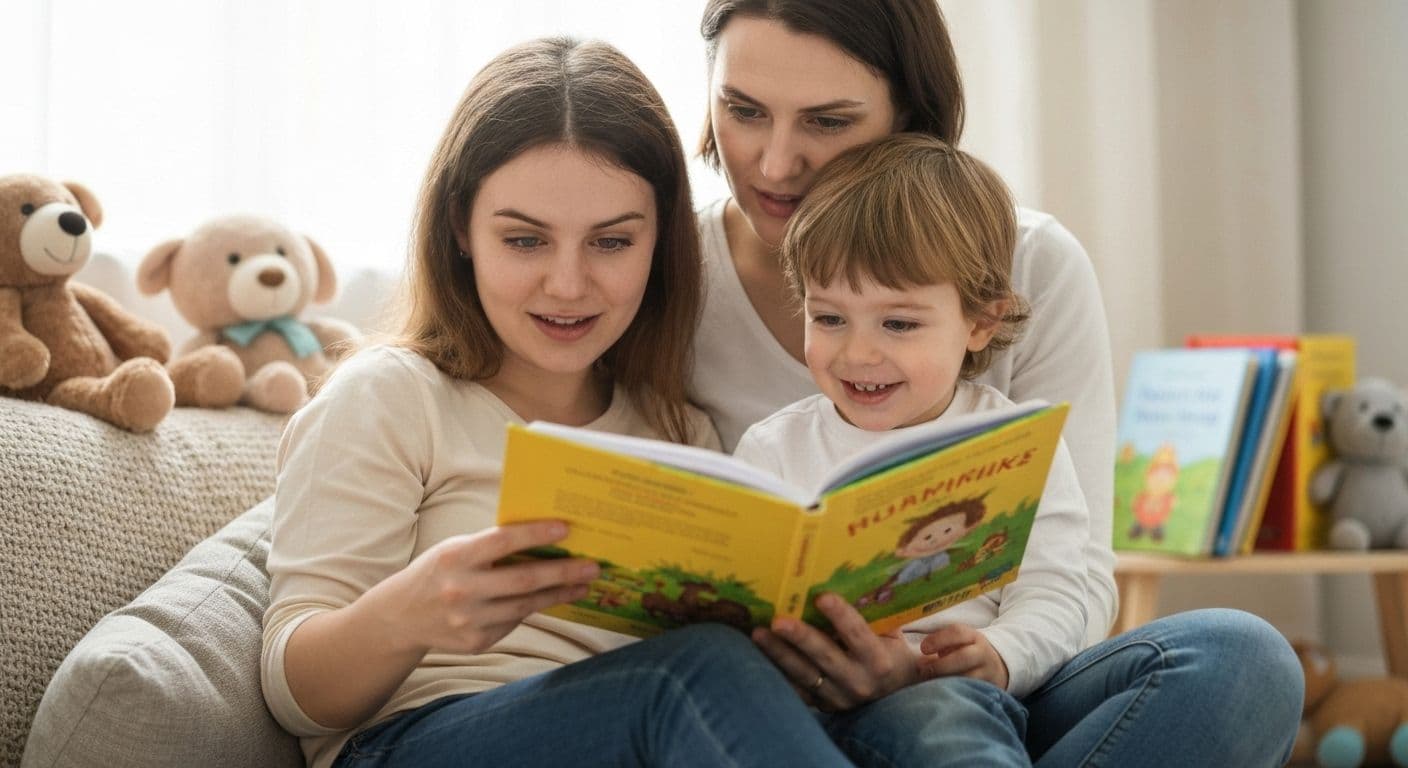
Picture this: You're snuggled up with your little one at bedtime, reading their favorite story for the hundredth time. What if I told you this cozy moment is actually a golden opportunity for teaching self awareness to preschoolers? That's right—story time isn't just about talking animals and magical adventures. It's a powerful tool for building emotional intelligence in your child.
Ages 3-5 are crucial years when children begin to understand their inner world. During this window, their brains are wired to absorb emotional vocabulary and recognize feelings. Yet many parents miss this opportunity simply because they don't realize how naturally storytelling supports emotional development. The good news? You don't need fancy tools or extra time—just a few simple techniques that transform your regular reading routine into a self-awareness powerhouse.
Ready to turn those picture books into emotional intelligence lessons? Let's explore practical, playful strategies for teaching self awareness to preschoolers through the stories you're already reading together.
Using Story Characters for Teaching Self Awareness to Preschoolers
Characters are your secret weapon when teaching self awareness to preschoolers. Think of them as emotional mirrors—safe, fictional friends who help your child explore big feelings without pressure. The magic happens when you pause mid-story and ask: "How do you think Bear feels right now?"
This simple question activates your child's emotional radar. Point to the character's face in the illustration and help them decode the visual cues. "See Bear's frown and droopy ears? That's what sad looks like." You're building their feelings vocabulary for preschoolers, one emotion at a time.
But here's where it gets powerful: bridge the gap between fiction and reality. After identifying Bear's sadness, ask, "Have you ever felt like that?" This connection helps preschoolers recognize emotions in themselves. When they nod and remember losing their favorite toy, they're developing emotional awareness in young children—linking internal experiences to words.
Books like "The Color Monster" by Anna Llenas or "When Sophie Gets Angry" by Molly Bang work brilliantly for this approach. These stories feature characters experiencing clear, relatable emotions with vivid illustrations that make feelings tangible.
Question Prompts for Different Emotions
Keep these go-to questions in your back pocket: "What made her happy?" "Why is he worried?" "What would help them feel better?" These prompts guide your preschooler to think about emotional causes and solutions, deepening their self-awareness.
Age-Appropriate Emotional Vocabulary
Start with basic emotions—happy, sad, angry, scared—then gradually introduce nuanced feelings like frustrated, disappointed, or proud. This expanding vocabulary gives your child the language to understand their internal landscape, which is essential for emotional regulation.
Story-Based Reflection Activities for Teaching Self Awareness to Preschoolers
Now let's take teaching self awareness to preschoolers deeper with reflection activities that reveal your child's inner world. The "favorite character" technique is pure gold. When you ask, "Who's your favorite character in this story?" and follow up with "Why do you like them?" you're uncovering your child's values and preferences.
Does your preschooler love the brave knight or the kind baker? Their answer tells you what qualities they admire and aspire to embody. This self-knowledge is the foundation of building emotional intelligence in young children.
Another powerful approach: "What would you do?" questions. When the story presents a conflict, pause and ask your child how they'd handle it. "The bunny lost his carrot. What would you do if you were him?" This helps preschoolers understand their own decision-making patterns and problem-solving instincts.
Try comparison questions too: "Are you more like the quiet mouse or the chatty parrot?" These playful prompts encourage self-reflection without feeling like a quiz. They're discovering who they are through the lens of story.
Make it even more engaging by acting out scenes together. Use character voices and let your child embody different roles. This kinesthetic approach to preschool self-awareness techniques helps solidify emotional concepts through play, which is how young children learn best.
Making Storytelling Work for Teaching Self Awareness to Preschoolers Daily
Here's the beautiful part: you don't need to overhaul your routine. These teaching self awareness to preschoolers strategies fit seamlessly into your existing bedtime ritual. Start small—pick just one or two questions per story. "How does this character feel?" is enough to spark meaningful reflection.
Consistency matters more than perfection. Those brief, regular conversations about feelings accumulate into lasting emotional awareness. Over time, you'll notice your preschooler spontaneously naming their emotions, showing empathy toward others, and understanding their preferences more clearly.
These are signs your daily emotional learning activities are working. Your child might say, "I feel frustrated like Max in the story" or "I want to be brave like that character." They're connecting their inner experience to the emotional vocabulary you've built together.
Ready to start tonight? Grab your child's favorite book and ask one simple question: "How does this character feel?" That's it. That's your entry point into teaching self awareness to preschoolers through the power of storytelling. Small moments, big impact—that's how emotional intelligence grows.



