


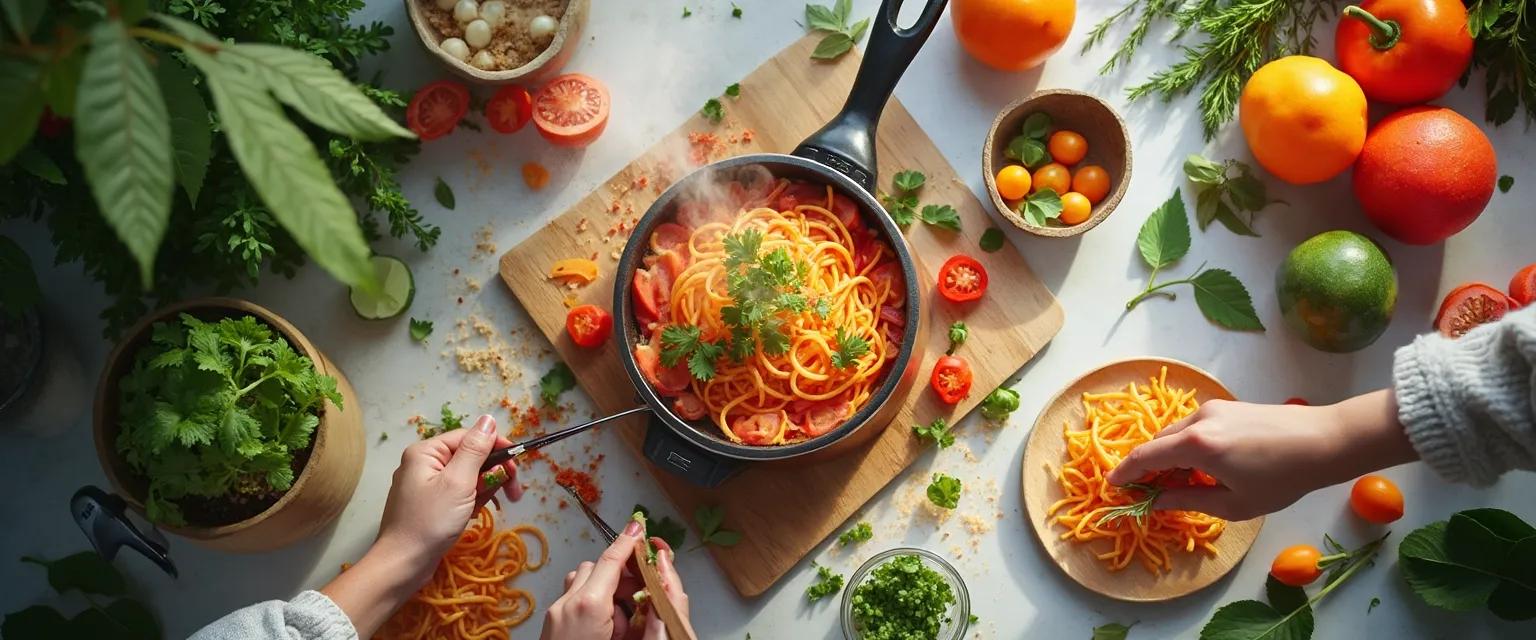
Unlock Your Creative Mind: The Culinary Path to Enhanced Thinking
Ever wondered why some of your best ideas pop up while you're chopping vegetables or kneading dough? That's your creative mind at work in the kitchen! Culinary exploration offers a unique playground for creativity that extends far beyond delicious meals. When you experiment with flavors and techniques, you're actually building neural pathways that enhance your creative thinking in all areas of life.
The kitchen serves as a perfect laboratory for nurturing your creative mind because it engages all five senses simultaneously. This multi-sensory stimulation activates different brain regions, creating connections that might otherwise remain dormant. Unlike many creative pursuits that require specialized skills, cooking offers an accessible entry point to creative thinking that anyone can explore, regardless of experience level.
Neuroscience research shows that the problem-solving nature of cooking—adjusting flavors, adapting recipes, and working with available ingredients—strengthens the brain's creative networks. These are the same networks you use when tackling challenges at work or developing innovative solutions to problems. By regularly engaging in culinary creativity, you're essentially giving your creative mind a comprehensive workout.
How Culinary Exploration Awakens Your Creative Mind
The magic of kitchen creativity lies in its ability to engage multiple brain functions simultaneously. When you cook without rigid guidelines, you're practicing divergent thinking—a cornerstone of creative mind development. This happens naturally as you substitute ingredients, adjust seasonings to taste, or rescue a dish that isn't turning out as planned.
Sensory Stimulation
Each sensory experience in cooking—the sizzle of onions hitting a hot pan, the vibrant colors of fresh produce, the aroma of spices blooming in oil—creates new neural connections. These connections form the foundation of a robust creative mind. Studies show that this type of sensory-rich activity enhances cognitive flexibility, allowing you to approach problems from multiple angles.
The tactile nature of cooking—feeling dough transform as you knead it or learning to recognize when a sauce has reached the right consistency—develops intuitive knowledge that transfers to other creative pursuits. This hands-on experience builds confidence in your creative abilities and encourages experimentation.
Improvisational Thinking
Working with limited ingredients or adapting to unexpected cooking challenges (like discovering you're out of a key ingredient) trains your brain in adaptive thinking. This culinary problem-solving directly translates to improved creative thinking in professional and personal contexts. Many innovation experts cite cooking as an excellent training ground for developing the creative mind because it requires real-time decision making with immediate feedback.
Consider how chefs like Ferran Adrià revolutionized cuisine by questioning fundamental assumptions about food preparation. This same questioning mindset—developed through culinary exploration—can help you break through creative blocks in any field.
Simple Kitchen Practices to Boost Your Creative Mind
Ready to transform your kitchen into a creative mind gymnasium? These practical exercises develop divergent thinking while resulting in delicious outcomes:
- Try the "mystery ingredient challenge"—randomly select one unexpected ingredient and incorporate it into your meal
- Cook without measuring tools to develop intuitive understanding
- Recreate a favorite restaurant dish without a recipe
- Combine flavors from different culinary traditions in one dish
Each of these creative mind exercises strengthens your ability to make unexpected connections—a skill that transfers directly to problem-solving in other domains. The beauty of culinary creativity is that mistakes are rarely catastrophic; even "failures" are usually edible learning experiences!
Mindful cooking serves as another powerful creative mind technique. By focusing fully on the sensory experience of food preparation—without distractions from phones or television—you enter a flow state that research links to enhanced creativity. This state of focused attention opens neural pathways to innovative thinking.
The confidence you build through successful culinary experiments creates a positive feedback loop for your creative mind. Each small kitchen victory reinforces your belief in your creative abilities, making you more likely to approach other challenges with the same experimental mindset.
Let's nurture your creative mind through the joy of culinary exploration. The next time you step into the kitchen, remember you're not just preparing a meal—you're developing neural pathways that enhance your creative thinking across all aspects of life. Your creative mind thrives on this type of sensory-rich, low-pressure experimentation that cooking so naturally provides.



