


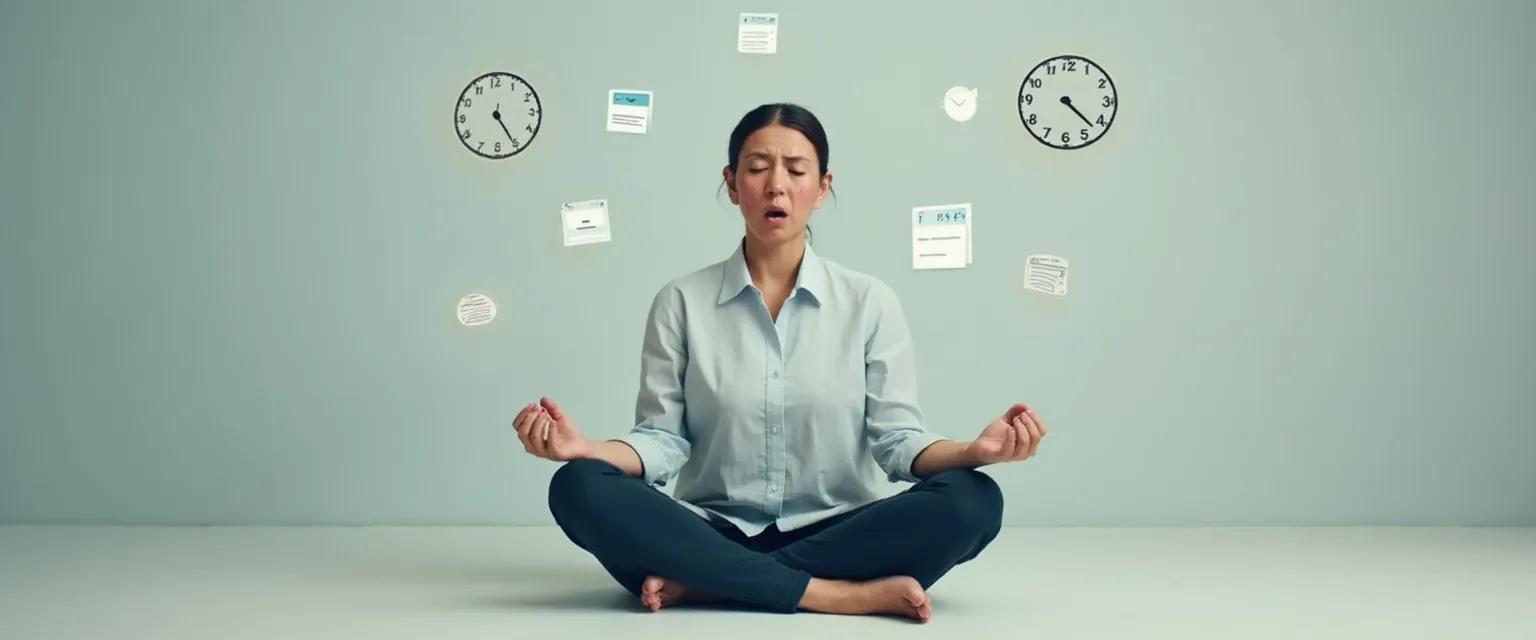
When to Stop Mindfulness: 5 Warning Signs It's Time for a Break
Ever caught yourself wondering if it's time to stop mindfulness practices for a while? While mindfulness has earned its reputation as a mental wellness superstar, it's not always the right tool for every moment in your emotional journey. Sometimes, pressing pause on mindfulness can actually be the most mindful choice you make. Recognizing when to take a step back from these practices is just as important as knowing when to engage with them.
The truth is, mindfulness isn't a one-size-fits-all solution. For some people, at certain times, mindfulness exercises might actually increase feelings of anxiety or discomfort rather than alleviate them. Learning to identify these moments is crucial for maintaining your overall mental health. Let's explore five clear warning signs that suggest it's time to temporarily stop mindfulness practices and try something different to support your emotional well-being.
When used appropriately, mindfulness can be transformative, but recognizing when to take a mindfulness pause can prevent you from turning a helpful practice into a harmful one. The key is understanding your stress response and how different techniques affect you personally.
5 Warning Signs It's Time to Stop Mindfulness Practices
If you've been dedicated to mindfulness but something feels off, your intuition might be onto something. Here are five evidence-based indicators that suggest it's time to stop mindfulness temporarily and explore other approaches:
1. Rising Anxiety During Practice
When mindfulness sessions consistently leave you feeling more anxious than when you started, it's a clear signal to stop mindfulness activities. This counterproductive response happens when focusing inward amplifies worrying thoughts instead of creating distance from them. Your body is telling you something important - this particular stop mindfulness strategy protects your mental well-being.
2. Thought Monitoring Becomes Obsessive
Mindfulness should enhance your awareness, not consume it. If you find yourself constantly analyzing every thought throughout the day, this hypervigilance indicates it's time to stop mindfulness practices. This obsessive monitoring can disrupt your daily functioning and actually increase stress levels. Taking a break allows your mind to return to a more natural, effortless awareness.
3. Emotional Numbness Develops
While mindfulness teaches non-attachment to emotions, there's a fine line between healthy detachment and emotional disconnection. If you notice yourself feeling emotionally flat or numb, your stop mindfulness journey might need to include more active emotional engagement. This numbness can be a defense mechanism that affects emotional processing in unhelpful ways.
4. Using Mindfulness as Avoidance
Sometimes we use mindfulness as a sophisticated way to avoid addressing challenging issues. If you're practicing mindfulness to escape difficult emotions rather than process them, this stop mindfulness sign shouldn't be ignored. True emotional growth sometimes requires directly engaging with uncomfortable feelings rather than observing them from a distance.
5. Persistent Physical Discomfort
Mindfulness shouldn't result in ongoing physical distress. If you experience persistent tension, headaches, or other physical symptoms during or after practice, these are valid reasons to stop mindfulness temporarily. Your body's signals deserve attention and respect as part of your overall well-being strategy.
Healthy Alternatives When You Need to Stop Mindfulness
When traditional mindfulness isn't serving you, these alternative approaches offer different pathways to emotional well-being without the drawbacks you might be experiencing:
Movement-Based Approaches
Instead of sitting still with your thoughts, try walking, gentle stretching, or dance. These activities provide a natural stop mindfulness technique by engaging your body in ways that ground you in physical sensation rather than mental observation. Movement creates a different relationship with the present moment that many find more accessible during challenging periods.
Creative Expression
Artistic activities offer excellent stop mindfulness alternatives that process emotions through external creation rather than internal observation. Drawing, music, or even cooking engages different parts of your brain and provides emotional release without the intensity of direct introspection. These activities can be particularly helpful if you're experiencing cycles of overthinking.
Social Connection
Sometimes the best stop mindfulness guide is simply connecting with others. Meaningful conversations, shared activities, or even light social interactions can pull you out of excessive self-focus in healthy ways. These connections remind us that we exist in relation to others, not just in our own minds.
Remember, needing to stop mindfulness practices temporarily doesn't mean failure—it's actually a sign of growing self-awareness. The most effective mental wellness journey involves knowing when to apply different tools at different times. When you're ready to return to mindfulness, you'll likely find it more beneficial after this intentional break.



