


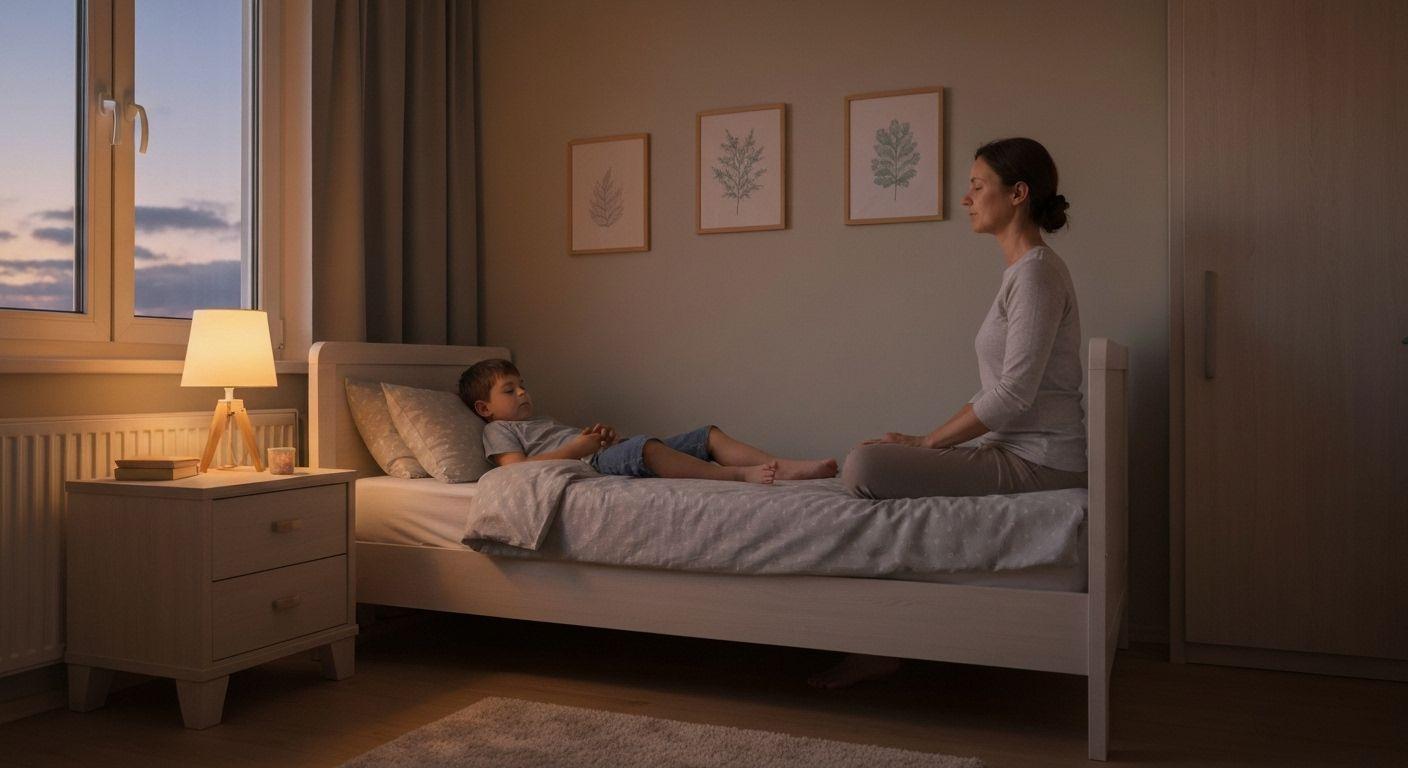
Why Busy Parents Should Practice Mindfulness During Bedtime Routines
You've finally gotten the kids bathed, teeth brushed, and into pajamas. You're reading the bedtime story, but your mind is already racing through tomorrow's to-do list. Sound familiar? For busy parents, evenings often feel like a sprint to the finish line rather than meaningful time with your children. Here's the thing: when you practice mindfulness during these nightly rituals, everything shifts. You transform chaotic evenings into moments of genuine connection while simultaneously managing your own stress levels. This isn't about adding more to your plate—it's about being fully present for what's already there.
Mindfulness during bedtime doesn't mean sitting in lotus position or chanting mantras. It simply means bringing your attention to this moment, right here with your child, instead of mentally living in yesterday's frustrations or tomorrow's obligations. When parents practice mindfulness during evening routines, they report feeling calmer, more connected, and significantly less depleted by day's end. The beautiful part? Your kids benefit just as much as you do, creating a ripple effect of calm throughout your entire household.
How to Practice Mindfulness During Bath Time and Story Reading
Bath time offers a perfect opportunity to practice mindfulness through sensory awareness. Instead of mentally checking out while your child splashes, tune into the warmth of the water on your hands, the sound of laughter, the smell of soap. These sensory anchors pull you back to the present moment whenever your mind starts wandering to that work email or the dishes in the sink.
When distractions inevitably arise—because they will—use your breath as a reset button. Take three conscious breaths, feeling the air move in and out of your body. This simple technique activates your parasympathetic nervous system, helping you stay grounded rather than getting swept away by stress. Think of it as hitting the refresh button on your mental browser.
Story time is where many parents go into autopilot mode, reading words without really being there. To practice mindfulness during this ritual, focus on truly listening to yourself read. Notice the rhythm of the sentences, observe your child's facial expressions, feel the weight of their body leaning against yours. These details matter—they're the stuff memories are made of.
Pay attention to your child's reactions as another mindfulness anchor. When you notice their eyes widen at a plot twist or their body relax as the story winds down, you're practicing present-moment awareness. This kind of mindful awareness naturally deepens your connection.
When frustration starts building—maybe they're resisting sleep or asking for the tenth glass of water—pause for a moment. Place one hand on your chest, take a breath, and acknowledge the feeling without judgment. This quick reset prevents you from reacting in ways you'll regret later.
Why Parents Who Practice Mindfulness Experience Less Evening Stress
Science backs up what mindful parents already know: practicing presence during bedtime routines significantly reduces stress reactivity. Research shows that mindfulness decreases activity in the amygdala—your brain's alarm system—while strengthening the prefrontal cortex responsible for emotional regulation. Translation? You stay calmer when things don't go according to plan.
When you practice mindfulness consistently, you break free from autopilot parenting. Instead of rushing through bedtime just to get it done, you create space to actually experience these moments. This shift prevents the reactive patterns that leave everyone feeling disconnected and frazzled. You stop snapping at minor issues and start responding with intention.
Here's something fascinating: children are emotional mirrors. When you remain calm and present, they naturally begin regulating their own emotions more effectively. Your mindful state becomes contagious in the best possible way. This means fewer bedtime battles and more cooperative kids—not because you're trying harder, but because you're being more present.
Many parents rush through bedtime routines thinking they'll finally get time to relax afterward, only to feel guilty about how disconnected the whole experience felt. When you practice mindfulness during these rituals, you actually feel energized rather than depleted. You've created meaningful connection instead of just completing tasks, and that makes all the difference for your stress management and overall well-being.
Simple Ways to Practice Mindfulness and Transform Your Bedtime Routine
Ready to start tonight? Begin with micro-practices that take seconds, not extra time. Before entering your child's bedroom, pause at the doorway and take three intentional breaths. This creates a mental transition from "busy parent mode" to "present parent mode." It's like flipping a switch in your brain.
Create a personal cue to remind yourself to practice mindfulness during tucking-in time. Maybe it's when you pull up the blanket or when you kiss their forehead. Use that moment as your reminder to fully arrive in the present moment, noticing the softness of their skin or the sound of their breathing.
The beauty of these small, consistent practices is that they build on each other. You don't need to be perfect—you just need to keep showing up. Some nights you'll be more present than others, and that's completely okay. What matters is the intention to practice mindfulness, even imperfectly.
Tonight, pick just one moment during your bedtime routine to practice mindfulness. Maybe it's during the first page of the story or while applying lotion after bath time. Start there, and watch how this simple shift transforms not just your evenings, but your entire relationship with parenting.



