


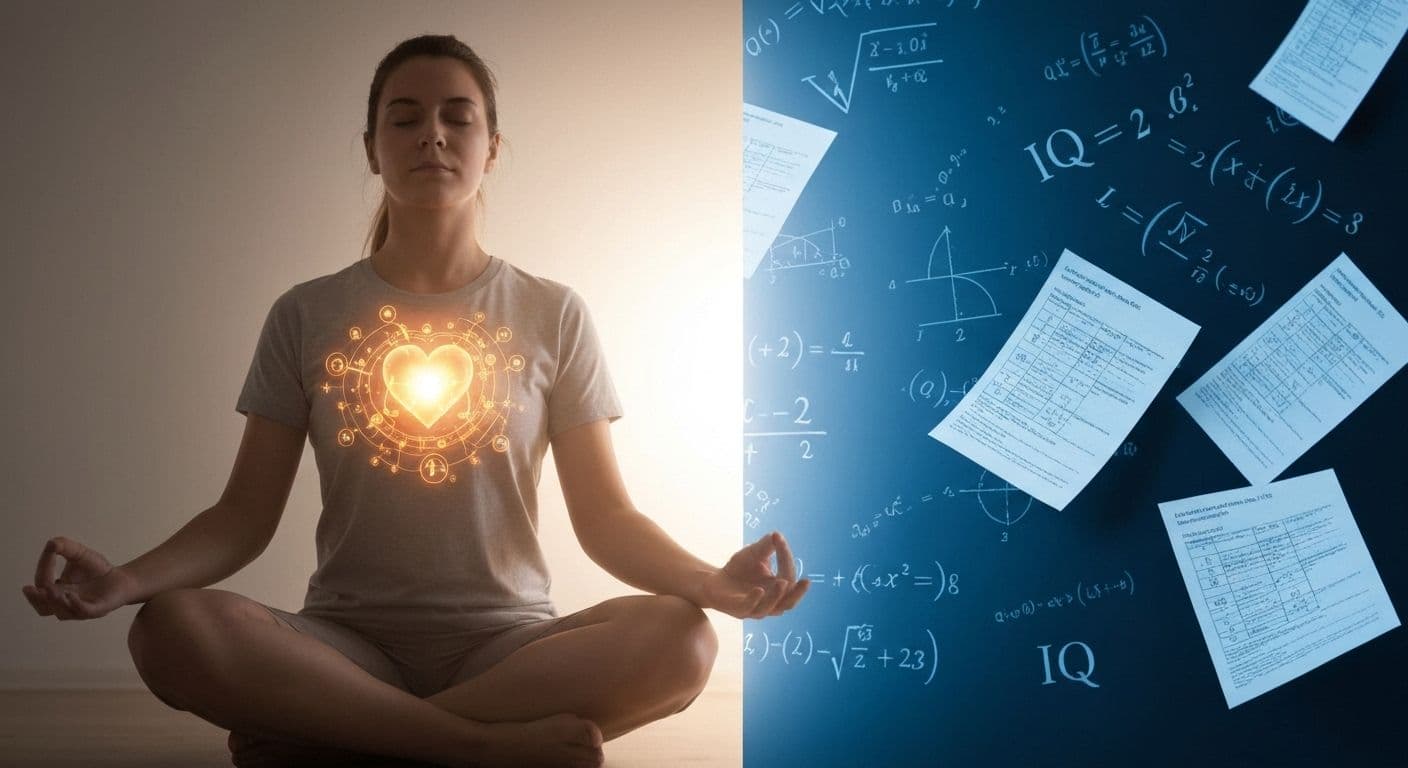
Why Emotional Self-Awareness Matters More Than IQ in Daily Life
Picture this: You're in a heated meeting, and your colleague makes a comment that hits a nerve. Your brilliant IQ doesn't stop you from snapping back with something you'll regret. Meanwhile, someone else in the room—who never aced standardized tests—takes a breath, recognizes their frustration, and responds calmly. That's emotional self awareness in action, and it's quietly outperforming traditional intelligence in the situations that actually matter. While we've spent decades celebrating IQ scores, research now shows that understanding your emotions gives you a practical edge in nearly every aspect of daily life.
The surprising truth? Your ability to recognize and understand your emotional states predicts your success in relationships, career decisions, and overall life satisfaction far better than any intelligence test. Emotional self awareness acts as your internal navigation system, helping you steer through tough conversations, workplace challenges, and personal growth with clarity. Think of it as the difference between having a map and knowing how to use your compass—both involve intelligence, but one gets you where you actually want to go.
How Emotional Self Awareness Transforms Your Relationships
Here's where emotional awareness becomes your secret weapon: recognizing your emotional patterns helps you respond thoughtfully rather than react impulsively when tensions rise. When you understand that your partner's comment about dishes isn't actually about dishes—and that your sudden anger stems from feeling unappreciated—you've just unlocked the ability to have a productive conversation instead of a fight.
Research in relationship psychology shows that self-awareness in relationships directly correlates with relationship satisfaction and longevity. When you can identify your emotional triggers before they escalate, you prevent conflicts from spiraling. Instead of thinking "They're attacking me," you recognize "I'm feeling defensive because I'm stressed about work." That split-second awareness changes everything.
Consider Sarah, who noticed she consistently felt irritated when her roommate asked about her day. Through emotional self awareness, she realized she wasn't actually annoyed by the question—she was overwhelmed and needed decompression time after work. Once she understood her emotional state, she could communicate clearly: "I'd love to chat after I have 20 minutes to unwind." Problem solved, friendship strengthened. This is how managing anxiety in social situations becomes significantly easier.
The science backs this up: studies show that people with higher emotional intelligence report better relationship quality, deeper connections, and more effective conflict resolution. Your ability to read your own emotional state allows you to communicate needs clearly, creating space for genuine understanding rather than reactive arguments.
Emotional Self Awareness as Your Career Decision-Making Edge
In the workplace, emotional intelligence at work consistently outperforms IQ in predicting job performance, leadership effectiveness, and career advancement. Why? Because understanding your emotional responses leads to better decisions under pressure. When you recognize that your resistance to a new project stems from fear of failure rather than legitimate concerns, you can evaluate the opportunity objectively.
Consider Marcus, who felt inexplicably drained after certain client meetings. Through developing emotional self awareness, he identified that specific types of projects triggered his stress response. This insight guided him to specialize in work that energized rather than depleted him—a career decision that doubled his productivity and job satisfaction. No IQ test could have provided that clarity.
Emotional self awareness helps you navigate office politics and tough conversations by recognizing when your emotions might cloud your judgment. Feeling defensive during feedback? That awareness alone helps you listen more openly. Noticing anxiety before a presentation? You can implement stress reduction techniques proactively rather than letting nerves sabotage your performance.
The link between recognizing your stress signals and avoiding burnout is particularly crucial. Research from organizational psychology demonstrates that professionals who can identify their emotional patterns take preventive action before reaching crisis points. They recognize warning signs—irritability, exhaustion, cynicism—and adjust accordingly. This self-awareness skill protects both mental health and career longevity.
Building Your Emotional Self Awareness Starting Today
Ready to develop emotional awareness as your personal superpower? Start with this simple daily practice: pause three times throughout your day and ask yourself, "What am I feeling right now, and why?" This micro-check-in strengthens your ability to spot emotional patterns in real-time.
The key is catching yourself in the moment. Notice when your shoulders tense during certain conversations. Pay attention to which tasks make you feel energized versus drained. Recognize when you're making decisions from anxiety versus clarity. These observations compound over time, building an emotional intelligence foundation that serves you across every life domain.
The beautiful thing about emotional self awareness? It's a skill that improves with practice, creating compounding benefits. Each time you recognize an emotional pattern, you strengthen neural pathways that make future recognition easier. You're essentially training your brain to become your own best coach, providing insights that no external intelligence measure can match.
Think of emotional self awareness as your internal guidance system for navigating life's complexity. While IQ might help you solve abstract problems, emotional intelligence helps you solve the problems that actually keep you up at night—difficult relationships, career uncertainty, and overcoming procrastination. That's the difference between being smart and being wise, between knowing facts and knowing yourself.



