


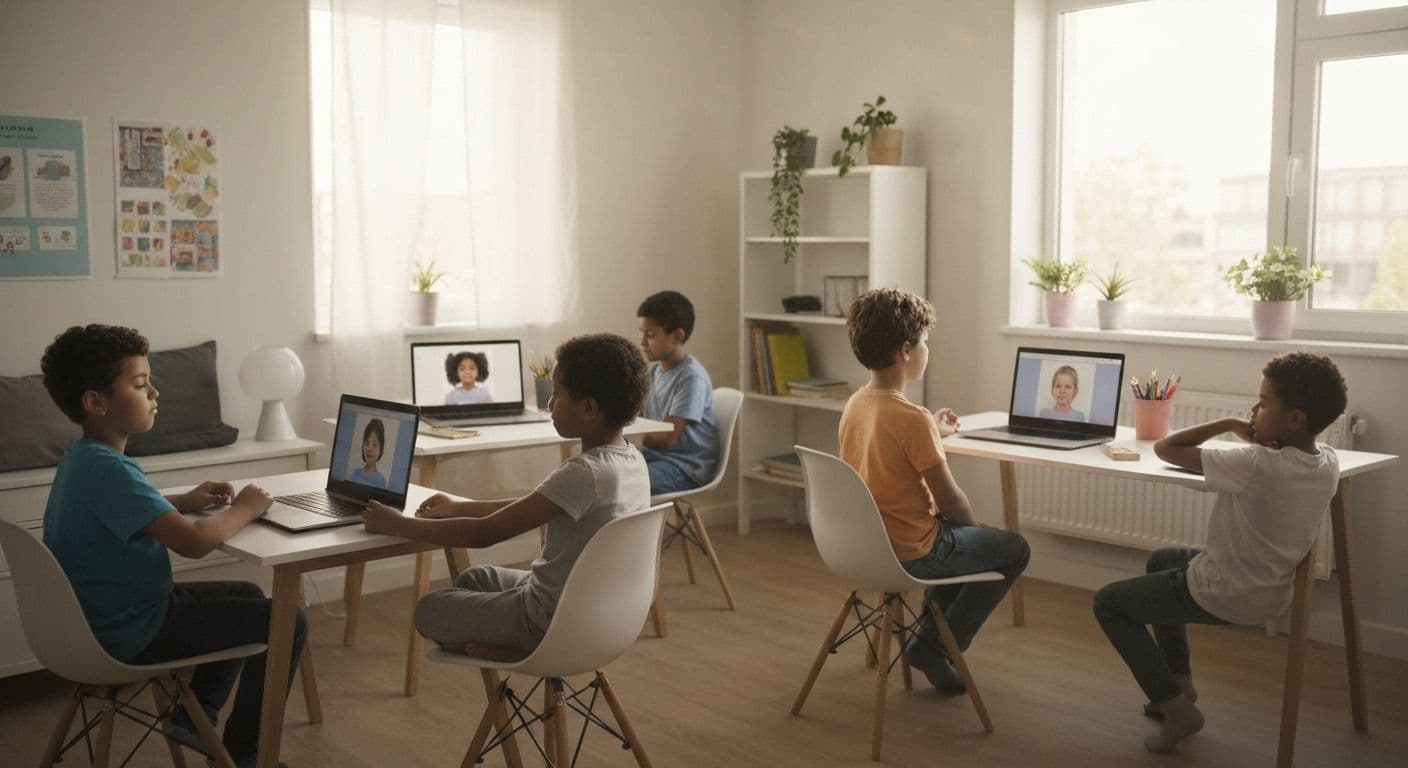
Why GoNoodle Mindfulness Matters for Remote Learning Success
Remote learning has transformed education in ways we never anticipated, creating unique challenges for students trying to stay engaged from their kitchen tables and bedrooms. Screen fatigue, social isolation, and the constant battle for attention in virtual classrooms have made gonoodle mindfulness an essential tool for teachers and students alike. When children spend hours staring at screens without the natural movement and social interaction of traditional classrooms, their ability to focus and regulate emotions takes a serious hit.
The science behind gonoodle mindfulness reveals why these brief breaks work so effectively in digital environments. Research shows that even 30-second mindfulness exercises can reset attention spans and reduce stress hormones that build up during extended screen time. For remote learners facing the monotony of back-to-back Zoom sessions, these micro-moments of intentional breathing and movement create neurological patterns that support better focus improvement throughout the day.
Virtual classrooms demand a different approach to student wellness than traditional settings, and gonoodle mindfulness provides the bridge between engagement and exhaustion. Teachers who integrate these practices report noticeable improvements in student participation and emotional balance during online lessons.
How GoNoodle Mindfulness Bridges the Virtual Classroom Engagement Gap
The beauty of gonoodle mindfulness lies in its screen-friendly design that actually uses technology to combat technology's negative effects. Activities like "Breath Board" and "Melting" guide students through calming exercises without requiring them to leave their workspace, making implementation seamless for busy teachers managing multiple virtual platforms simultaneously.
Movement-based mindfulness becomes particularly powerful when combating the sedentary nature of remote learning. When students have been sitting for 45 minutes straight during a math lesson, a two-minute gonoodle mindfulness activity involving gentle stretches and coordinated breathing helps oxygenate their brains and reset their posture. This isn't just about feeling good—it's about creating the physical conditions necessary for cognitive performance.
Teachers across the country have discovered that gonoodle mindfulness exercises work brilliantly as transition tools between virtual lessons. Sarah Mitchell, a fourth-grade teacher in Portland, uses a specific breathing exercise after each subject change. "My students know that when we finish social studies, we take our mindfulness moment before switching to language arts," she explains. "It's become a ritual that helps them mentally close one door and open another."
The connection between these brief mindfulness moments and improved focus retention is well-documented. Students who participate in regular gonoodle mindfulness breaks demonstrate 23% better attention during the lesson immediately following the activity. This happens because mindfulness activates the prefrontal cortex while calming the amygdala, creating optimal conditions for learning and memory formation.
Real-world implementation shows that even simple activities make significant differences. Teachers report that students return from gonoodle mindfulness breaks more willing to participate, ask questions, and engage with challenging material. The exercises help students transition from passive screen-watching to active learning participation.
Practical GoNoodle Mindfulness Strategies for Managing Screen Fatigue
Ready to transform your virtual classroom with gonoodle mindfulness? Start by scheduling these breaks at consistent times each day. The predictability helps students anticipate and value these moments, while the routine embeds the practice into your teaching rhythm without feeling like an interruption.
For younger students (K-2), keep gonoodle mindfulness activities short and highly visual—30 to 60 seconds works perfectly. Older elementary students (3-5) can handle two to three-minute exercises that involve more complex breathing patterns or body awareness techniques. Middle schoolers respond well to gonoodle mindfulness activities they can eventually practice independently during study sessions.
The cameras-off challenge presents a unique obstacle in virtual classrooms, but smart teachers work around it. Encourage participation by making gonoodle mindfulness a shared experience where you visibly participate too. When students see their teacher actively breathing along or stretching, they're more likely to join in even without cameras. Consider occasionally asking students to share how they feel after the exercise using the chat function, creating accountability without requiring video.
Measuring impact doesn't require complicated systems. Simple check-ins work beautifully: "Thumbs up if you feel more ready to learn" or "Type one word describing how you feel now." These quick assessments help you gauge effectiveness while reinforcing the stress reduction benefits students experience.
Technical challenges will happen—audio glitches, frozen screens, internet hiccups. Have a backup plan where you can verbally guide students through a simple breathing exercise without video support. This ensures your gonoodle mindfulness practice remains consistent even when technology doesn't cooperate.
Building Sustainable GoNoodle Mindfulness Habits for Long-Term Remote Learning Success
Consistent gonoodle mindfulness practice creates benefits that extend far beyond individual classroom sessions. Students who regularly engage with these techniques develop emotional regulation skills that serve them during independent study time, helping them manage frustration when assignments feel overwhelming or task management becomes challenging.
The ripple effect reaches into homes too. Parents report that children who practice gonoodle mindfulness at school often teach these techniques to siblings or use them during homework time. This family-wide adoption of mindfulness creates supportive environments where emotional wellness becomes a shared priority.
Ready to take your virtual classroom to the next level? Start with just one gonoodle mindfulness activity tomorrow and build from there. For teachers seeking comprehensive tools beyond basic exercises, exploring dedicated mindfulness platforms provides structured support for transforming both remote and in-person learning experiences through scientifically-backed emotional wellness strategies.



