


Why GoNoodle Mindfulness Works Better for Elementary Students
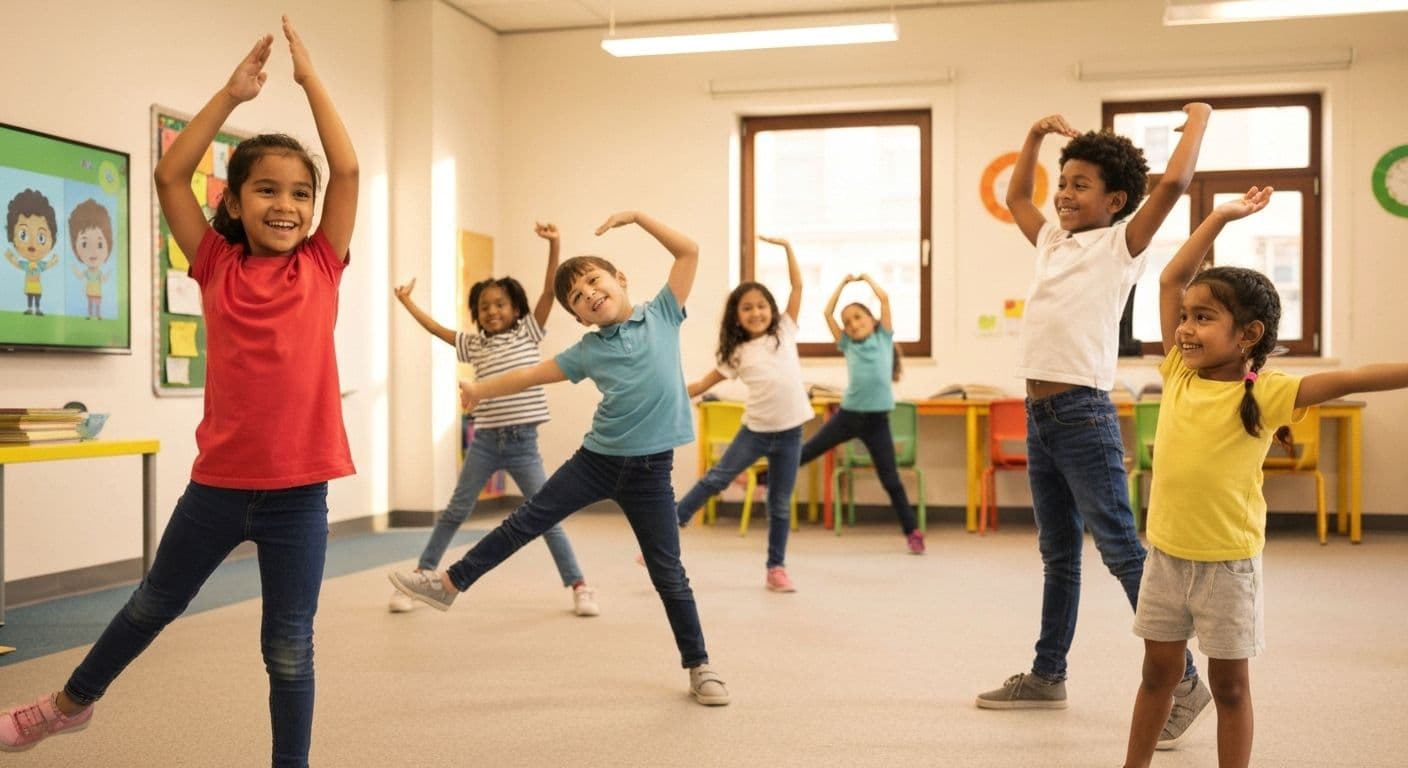
When a seven-year-old starts melting down in your classroom or living room, telling them to "sit quietly and breathe" often backfires spectacularly. Elementary students experience frustration and overwhelming emotions differently than adults—their energy needs an outlet, not suppression. That's where gonoodle mindfulness changes everything. This movement-based approach combines physical activity with emotional regulation, creating a science-backed method that resonates with how children's brains actually work. While traditional seated meditation and quiet time might sound reasonable to grown-ups, these calm-down techniques often ignore developmental realities that make them ineffective—or even counterproductive—for young learners.
The growing frustration among educators and parents seeking calm-down techniques that don't feel like punishment has sparked interest in alternatives like gonoodle mindfulness. Unlike passive approaches that ask children to suppress their natural energy, movement-based mindfulness works with kids' bodies instead of against them. This shift matters because elementary-aged children aren't just miniature adults—their brains process emotions through physical experience, making active engagement essential for genuine emotional regulation.
How GoNoodle Mindfulness Aligns With Children's Developmental Needs
Elementary-aged children have attention spans ranging from 8-12 minutes, paired with energy levels that seated practices simply can't accommodate. When we ask a frustrated second-grader to sit still and focus inward, we're essentially asking them to use impulse control mechanisms that haven't fully developed yet. GoNoodle mindfulness exercises work with children's natural kinesthetic learning style, activating the prefrontal cortex through movement while simultaneously helping them process emotions more effectively than stillness ever could.
The science behind this approach is compelling. Movement activates multiple brain regions simultaneously, including those responsible for emotional processing and self-regulation. When children engage in active mindfulness, they reduce cortisol more effectively than with passive techniques because their bodies get to discharge the physical manifestations of stress. This isn't just theory—classroom observations consistently show faster emotional recovery with movement-based approaches compared to traditional quiet time.
Brain Development in Elementary Years
During the elementary years, children's brains are still developing the neural pathways necessary for emotional self-regulation. The prefrontal cortex, which governs impulse control and emotional management, won't reach full maturity until their mid-twenties. This means expecting young learners to master seated meditation techniques designed for adult brains sets them up for frustration rather than success. Movement-based mindfulness meets children where they are developmentally, building emotional awareness while honoring their current capabilities.
Kinesthetic Learning Advantages
Most elementary students learn best through physical experience. GoNoodle mindfulness leverages this kinesthetic preference by transforming emotional boundaries into tangible movements. When children physically "shake out" their frustration or "stomp away" their anger through structured activities, they're not just burning energy—they're creating concrete associations between physical actions and emotional states that their developing brains can actually understand and replicate.
Why Traditional Calm-Down Techniques Fall Short With GoNoodle Mindfulness as the Alternative
Seated meditation requires sustained attention and impulse control that most elementary students haven't fully developed. When we insist on quiet time for a child whose body is flooded with stress hormones and pent-up energy, we're essentially trapping them with their overwhelming feelings. This often increases frustration because the energy has nowhere to go, creating a pressure-cooker effect that can lead to bigger emotional explosions.
GoNoodle mindfulness provides immediate physical release while building emotional awareness simultaneously. The engagement factor makes a dramatic difference—children actually want to participate in movement-based mindfulness versus resisting traditional methods. Practical classroom data shows completion rates above 90% for active mindfulness activities compared to 40-60% for seated meditation with elementary students. More importantly, emotional outcomes improve measurably. Teachers report that students return to learning-ready states 3-5 minutes faster with movement approaches compared to 10-15 minutes with quiet time.
Impulse Control Development Timeline
Understanding that impulse control develops gradually throughout childhood helps explain why traditional techniques struggle. Most elementary students are still building the neural infrastructure needed for sustained stillness and internal focus. Asking them to calm down through methods requiring these underdeveloped skills creates unnecessary struggle. Movement-based approaches bypass this developmental limitation by engaging systems that are already functional and strong.
Implementing GoNoodle Mindfulness Strategies That Actually Work
Specific gonoodle mindfulness activities address common anger and frustration triggers in elementary settings by providing structured physical outlets. Quick "brain breaks" that combine jumping, stretching, and breathing create neural pattern interrupts that help children shift emotional states. These activities integrate into daily routines without disrupting classroom flow—taking just 2-3 minutes when emotions start escalating.
Measuring success with active techniques looks different than traditional approaches. Instead of expecting silent compliance, watch for children returning to engagement with learning tasks, demonstrating self-soothing techniques independently, and showing improved emotional confidence over time. Ready to transform how your students manage big emotions? Start with evidence-based gonoodle mindfulness approaches that meet kids where they are developmentally, honoring their need for movement while building genuine emotional regulation skills that will serve them for years to come.



