


Why Mindfulness and Anxiety Don't Always Mix (What Works Better)
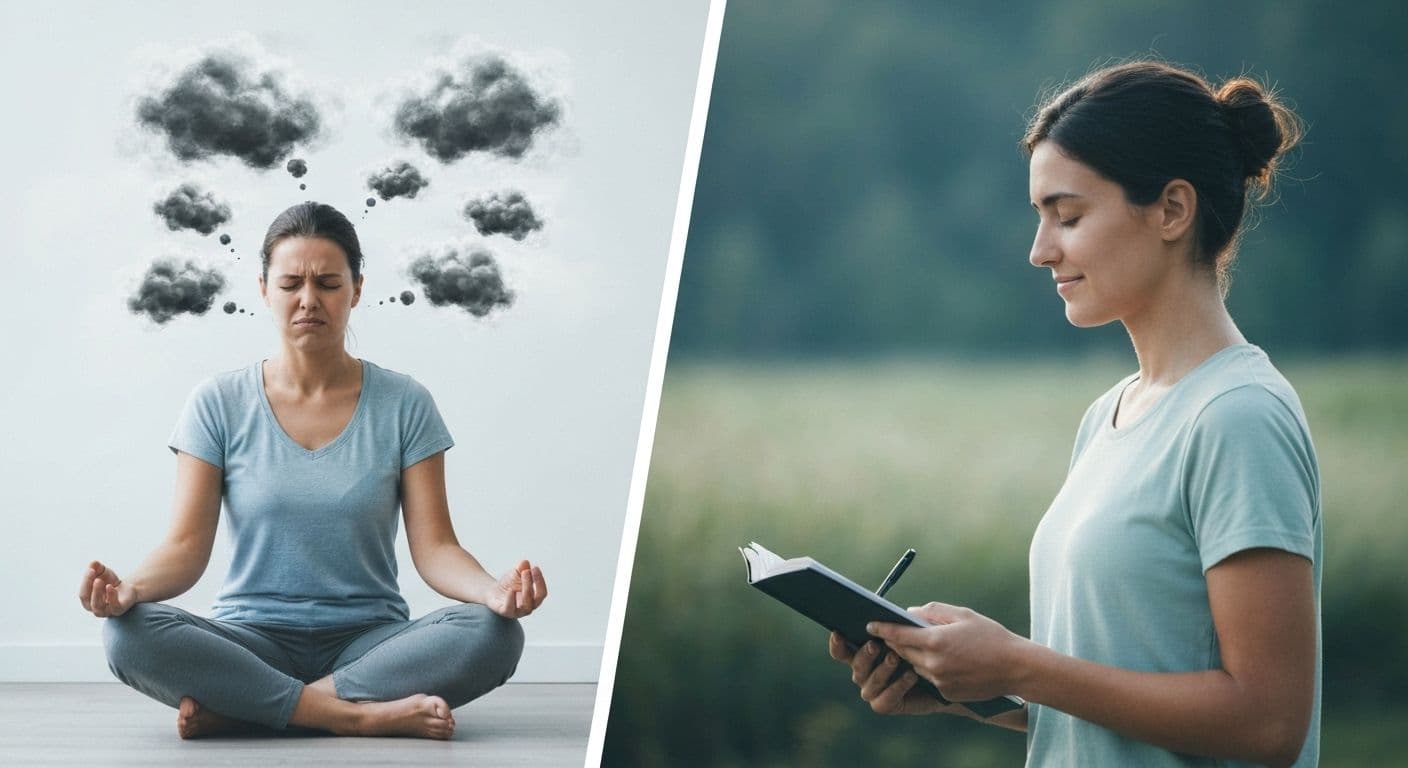
You settled into a quiet space, closed your eyes, and tried to focus on your breath—just like everyone says you should. But instead of feeling calmer, your mind started racing faster. Your chest tightened. That nagging worry you'd been pushing aside suddenly felt overwhelming. If this sounds familiar, you're not alone. The truth is, mindfulness and anxiety don't always mix well for everyone, and there are solid scientific reasons why traditional mindfulness practices can actually make some people feel worse instead of better.
Here's the good news: struggling with conventional mindfulness doesn't mean you're doing it wrong or that you can't develop better emotional awareness. It simply means your brain needs a different approach. Understanding why mindfulness and anxiety can create this paradoxical response—and knowing what works instead—gives you the power to find techniques that actually calm your nervous system rather than amp it up.
The Science Behind Mindfulness and Anxiety: When Stillness Backfires
Traditional mindfulness asks you to sit still, turn inward, and observe your thoughts without judgment. For many people, this works beautifully. But if you're someone with high baseline anxiety or a tendency toward hypervigilance, this stillness creates the perfect conditions for your worries to flood in unchecked.
Scientists call this phenomenon "relaxation-induced anxiety." When your body begins to relax during meditation, the contrast between that physical calm and your racing thoughts becomes more pronounced. Instead of finding peace, you become hyper-aware of every anxious thought, making the experience feel overwhelming. Research shows that for people with certain personality types—particularly those prone to rumination—the inward focus of mindfulness and anxiety management through traditional meditation can amplify distress rather than reduce it.
Think of it this way: if your mind is already spinning with worries, asking it to sit quietly and watch those worries is like asking someone to sit calmly in a room full of bees. The stillness doesn't help; it just makes you more aware of the buzzing. For individuals dealing with physical sensations of anxiety, the body-scan element of traditional mindfulness can trigger even more concern as you notice every uncomfortable sensation.
This isn't a personal failing—it's simply how your particular nervous system responds to certain stimuli. Understanding why mindfulness makes anxiety worse for some people helps you stop blaming yourself and start finding what actually works.
Movement-Based Alternatives to Traditional Mindfulness for Anxiety Relief
Ready to discover mindfulness and anxiety techniques that don't leave you feeling more stressed? Movement-based practices offer all the benefits of traditional mindfulness—improved awareness, better emotional regulation, reduced stress—without the anxiety spike that stillness can trigger.
Walking Meditation Techniques
Walking meditation gives your anxious mind something to do while building mindfulness skills. Instead of sitting with your thoughts, you focus on the rhythm of your steps, the sensation of your feet touching the ground, and the movement of your body through space. This external focus prevents the inward spiral that causes problems for anxiety-prone individuals. Even a five-minute walk around your block, paying attention to each step and breath, builds the same awareness muscles as seated meditation without the anxiety trigger.
Body-Scan Alternatives
Progressive muscle relaxation works differently than traditional body scans. Instead of passively observing tension, you actively tense and release muscle groups. This gives your body a job to do, which helps anxious minds stay grounded. Tense your shoulders for five seconds, then release. Move to your arms, your legs, your jaw. The physical action creates a sense of control that reduces anxiety rather than amplifying it.
Active Mindfulness Practices
Yoga flows, rhythmic exercise, and even activities like washing dishes with full attention provide mindfulness and anxiety relief without requiring stillness. These practices engage both your body and mind, preventing the rumination trap. Guided visualization also works well because it directs your attention outward to imagined scenes rather than inward to anxious thoughts. Similar to anxiety redirection strategies, these techniques channel your mental energy in productive directions.
Creating Your Personal Mindfulness and Anxiety Management Toolkit
Your relationship with mindfulness and anxiety is unique to you. Some people thrive with seated meditation; others need movement. Some find breath work calming; others find it activating. The key is recognizing your own response patterns without judgment.
Start by testing different approaches for just five minutes each. Notice which techniques leave you feeling calmer versus more agitated. Does walking meditation settle your nerves? Does progressive muscle relaxation help you release tension? Does guided imagery give your mind a helpful focus? Building awareness of what works for your specific brain creates a personalized toolkit you can rely on.
Remember, struggling with traditional mindfulness doesn't mean you can't develop emotional awareness and better stress management through small steps. It simply means you're finding the path that fits your nervous system. When you stop forcing yourself into techniques that increase your anxiety and start embracing alternatives that actually work, you'll discover that mindfulness and anxiety management can become a source of genuine relief rather than another thing to stress about.



