


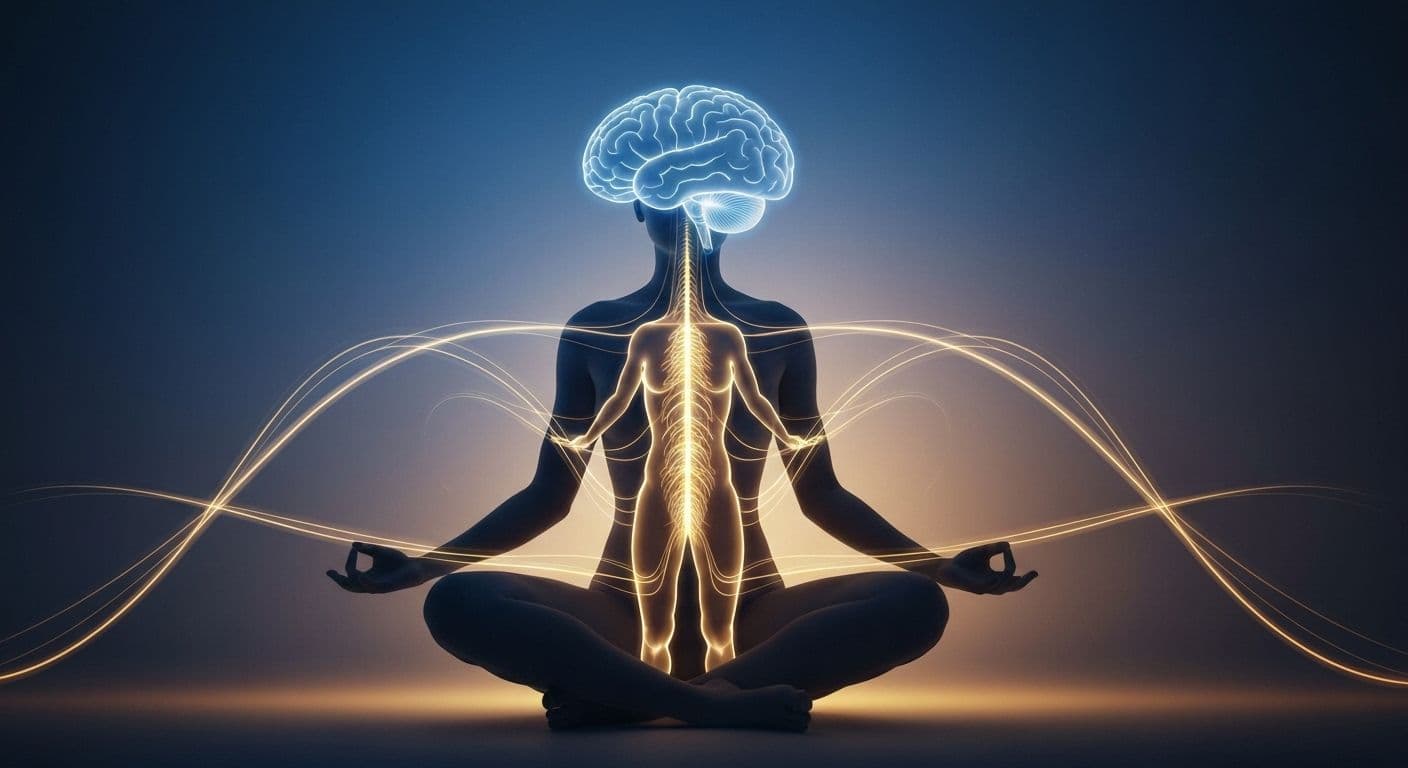
Why Self-Awareness Includes Your Body's Signals, Not Just Thoughts
You're sitting at your desk, and suddenly you notice your jaw is clenched so tight it aches. Your shoulders have crept up toward your ears, and your breath feels shallow and quick. When did this happen? You've been focused on your work, mentally problem-solving, but your body has been screaming at you the whole time. This common experience reveals a crucial truth: self awareness includes far more than just monitoring your thoughts and mental patterns.
Most people think self-awareness is purely a mental exercise—observing thoughts, analyzing feelings, naming emotions. But this approach misses half the picture. True self awareness includes listening to your body's signals, which often communicate emotional states long before your conscious mind catches up. Your body is constantly sending you messages through physical sensations, tension patterns, breathing rhythms, and postural shifts. Learning to read these signals transforms your ability to understand and manage your emotional landscape.
The physical dimension of self-awareness isn't just a nice addition—it's essential. Your body processes emotional information through the nervous system before your thinking brain even gets involved. That tight chest when you're anxious? That's not just a side effect; it's your body's first language for communicating distress. When you expand what self awareness includes to encompass these bodily cues, you gain access to real-time emotional data that helps you respond more effectively to life's challenges.
What Self Awareness Includes Beyond Your Mind
The mind-body connection isn't just a wellness buzzword—it's neuroscience. Your emotions don't exist solely in your head; they manifest as physical sensations throughout your entire body. When you feel frustrated, your muscles tense. When anxiety builds, your heart rate increases and your breathing becomes rapid and shallow. When you're genuinely happy, your posture opens up and your movements become more fluid.
Here's the fascinating part: your body often knows what you're feeling before your conscious mind does. The nervous system processes emotional information milliseconds faster than rational thought. That gut feeling? It's your body reading environmental cues and signaling danger or safety before you've had time to analyze the situation logically.
Consider how anger shows up physically: flushed face, clenched fists, heat rising in your chest, jaw tension. Anxiety might manifest as butterflies in your stomach, sweaty palms, restlessness in your legs, or tightness in your throat. These aren't random symptoms—they're your nervous system's way of preparing you for action. When you understand that effective self awareness includes recognizing these physical patterns, you gain precious seconds to choose your response rather than reacting automatically.
The science behind this is straightforward. Your autonomic nervous system has two modes: sympathetic (fight-or-flight) and parasympathetic (rest-and-digest). Emotional stress activates the sympathetic system, creating measurable physical changes. Your heart rate spikes, digestion slows, muscles tense for action. These somatic signals aren't just consequences of emotions—they're integral parts of the emotional experience itself. Ignoring them means missing critical data about your internal state.
How Self Awareness Includes Reading Your Body's Language
Ready to tune into your body's messages? Start with simple check-ins throughout your day. Pause for ten seconds and ask yourself: "What physical sensations am I experiencing right now?" Notice without judgment—just gather information. This practice of body awareness becomes easier with repetition.
The body scan approach offers a systematic way to identify tension and discomfort. Starting from your head and moving down to your toes, mentally check each body region. Where do you notice tightness? Where do you feel relaxed? This technique helps you recognize patterns—maybe your neck always tenses during stressful meetings, or your stomach knots before difficult conversations.
Your posture reveals more than you might think. Slumped shoulders and a collapsed chest often signal defeat or low energy. An open stance with shoulders back suggests confidence and readiness. When you notice your posture shifting, ask yourself what emotion might be driving that change. This awareness creates opportunities for emotional regulation strategies before situations escalate.
Try these quick check-in questions regularly:
- Where am I holding tension right now?
- How would I describe my breathing—shallow, deep, rapid, calm?
- What's my energy level in my body, not just my mind?
- If my body could speak, what would it be telling me?
Recognizing your physical patterns helps you predict emotional reactions. If you know that tight shoulders precede frustration, you can intervene early with calming techniques before anger builds.
Building Complete Self Awareness That Includes Body and Mind
Complete self awareness includes integrating both mental and physical dimensions. Your thoughts and your body's signals work together to give you the full picture of your emotional state. Neither alone tells the whole story.
Start small with this holistic approach. During routine moments—brushing your teeth, waiting for coffee to brew, sitting at red lights—do quick body check-ins. These brief pauses build the habit of awareness without requiring major lifestyle changes. Over time, body awareness becomes automatic, giving you continuous feedback about your emotional needs.
This integrated approach directly improves emotional regulation and frustration management. When you catch physical tension early, you can address it before emotions spiral. When you notice your breath becoming shallow, you can consciously deepen it, signaling your nervous system to calm down. Your body becomes your ally in managing difficult emotions rather than a mystery that sometimes betrays you.
The power of listening to your complete self—mind and body together—cannot be overstated. You're not just thinking your way through emotions; you're experiencing them fully and responding with wisdom. True self awareness includes honoring both the mental narratives and the physical sensations that make up your emotional life. When you embrace this fuller picture, you gain genuine insight into who you are and what you need.



