


Why Self-Awareness Includes Your Energy Patterns & How to Track Them
Ever notice how you schedule your toughest meeting at 2 PM, right when your brain feels like it's wading through molasses? Or how you force yourself to brainstorm creative ideas first thing in the morning when all you can manage is responding to emails? You're not lazy or undisciplined—you're just working against your natural energy patterns. Here's what most people miss: self awareness includes understanding not just your emotions and thoughts, but also the rhythms of your energy throughout the day.
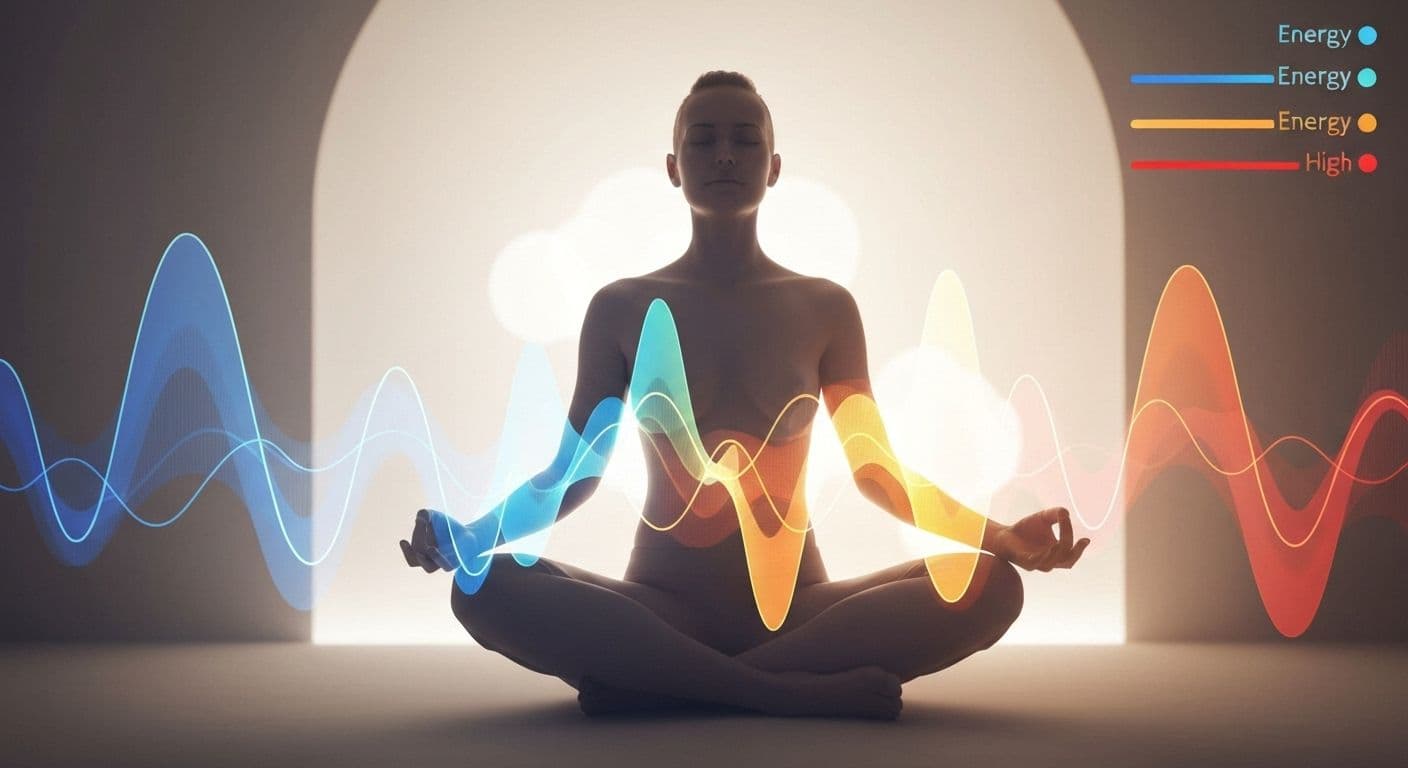
We've been taught that self-awareness means recognizing our feelings, understanding our triggers, and knowing our strengths. While these elements matter, they're only part of the picture. True self awareness includes tracking the ebb and flow of your mental, creative, and social energy. Think of it as tuning into your body's internal weather system—some hours bring sunshine and peak performance, others bring fog and the need for recovery. When you ignore these patterns and structure your day around arbitrary clock times instead of your natural rhythms, you're essentially fighting your own biology.
What Self-Awareness Includes: The Energy Dimension You're Missing
Complete self awareness includes recognizing three distinct types of energy that fluctuate throughout your day. First, there's mental focus energy—your capacity for deep concentration, analytical thinking, and problem-solving. This isn't constant; it peaks and dips based on your individual chronotype and daily activities.
Second, creative flow energy operates on its own schedule. This is when your brain makes unexpected connections, generates fresh ideas, and thinks outside the box. For many people, creative energy peaks at different times than analytical focus, which explains why forcing creativity during your "productive hours" often backfires.
Third, social capacity represents your bandwidth for interactions, meetings, and collaborative work. Some hours you're energized by conversation; other times, even a simple chat feels draining. Understanding these patterns connects directly to emotional intelligence—when you know your social battery is low, you make better decisions about how to engage with others.
Here's the thing: ignoring energy awareness leads to that frustrating cycle where you're "productive" according to your calendar but exhausted and ineffective in reality. Research on chronotypes shows we each have unique biological rhythms. Some people are genuine morning larks, others are night owls, and many fall somewhere in between. Trying to force yourself into a one-size-fits-all schedule is like wearing shoes two sizes too small—technically possible, but unnecessarily painful.
How to Track the Energy Patterns Self-Awareness Includes
Ready to map your energy landscape? Start with simple check-ins throughout your day. Set three to four phone reminders (morning, midday, afternoon, and evening) and rate your mental focus, creative energy, and social capacity on a scale of 1-10. Notice what you were doing just before each check-in and how you feel in that moment.
The magic happens with weekly pattern recognition. After tracking for five to seven days, look for consistent trends. Do you notice your mental focus peaks between 9-11 AM? Does your creative energy surge after lunch or later in the evening? Does your social battery drain faster on certain days? These patterns reveal your unique energy blueprint.
Pay attention to physical signals too. Energy awareness includes noticing when your body tells you something's shifting. Maybe you get fidgety during your afternoon slump, or you feel a surge of alertness after a walk. Your morning routine might energize or deplete you depending on how it aligns with your natural rhythms.
Also track activity-energy connections. Which tasks energize you versus drain you? This isn't just about preference—some activities genuinely recharge specific types of energy while depleting others. Responding to emails might drain your creative energy but barely touch your mental focus reserves.
Structure Your Life Around the Energy Self-Awareness Includes
Once you've identified your patterns, it's time to redesign your day around them. Match your high-stakes, analytical work to your peak mental focus windows. If that's 9-11 AM, protect that time fiercely for your most demanding tasks. Save routine work for your energy valleys.
Schedule creative projects during your flow-state hours, even if they don't align with traditional "work time." If your best ideas come at 8 PM, that's when you should brainstorm, not at 8 AM just because it's the start of the workday. This approach to single-focus productivity respects your natural rhythms instead of fighting them.
Plan social interactions strategically. If your social battery is fullest mid-morning, schedule important meetings then. If you're drained by afternoon, block that time for solo work. This isn't antisocial—it's smart energy management that helps you show up better when you do engage.
Build in recovery periods that align with your natural dips. Instead of pushing through your 3 PM slump with another coffee, take a genuine break. A short walk, some stretching, or even just staring out the window gives your system the reset it's asking for.
The shift here is profound: stop managing time and start managing energy. Self awareness includes understanding that productivity isn't about cramming more into every hour—it's about matching the right activities to your right energy states. Ready to start? Track your energy patterns for one week and notice what you discover about your natural rhythms.



