


Why Self-Awareness SEL Programs Transform Student Emotional Growth
Picture a classroom where students confidently navigate disagreements, bounce back from setbacks, and genuinely support their peers' success. This isn't educational fantasy—it's what happens when self awareness sel becomes the foundation of your teaching approach. As educators increasingly recognize that academic achievement intertwines with emotional intelligence, self-awareness has emerged as the non-negotiable starting point for all social-emotional learning. Yet many teachers struggle with making this abstract concept tangible for students across different developmental stages.
The challenge isn't whether to teach self awareness sel—it's how to integrate it seamlessly into already-packed school days. This guide provides practical, grade-appropriate strategies that transform self-awareness from a buzzword into observable student growth. Whether you're designing a comprehensive SEL curriculum or looking to enhance existing programs, these evidence-based approaches help students recognize their emotions, understand their strengths, and identify areas for growth.
Self-awareness isn't just another checkbox in your curriculum. It's the skill that unlocks every other social-emotional competency your students need to thrive both inside and outside the classroom.
The Foundation: Why Self-Awareness SEL Drives All Other Social-Emotional Skills
Think of self awareness sel as the operating system for emotional intelligence—without it, other SEL competencies simply can't function effectively. Before students can manage their emotions, they need to recognize what they're feeling in the first place. Before they can empathize with classmates, they must understand their own emotional responses and how these shape their perceptions.
Research consistently shows that students with strong self-awareness demonstrate better academic performance, fewer behavioral disruptions, and healthier peer relationships. When students understand their emotional patterns, they make more thoughtful decisions rather than reactive ones. This awareness creates a pause between feeling and action—a critical space where responsible choices happen.
The progression is logical: self-awareness enables self-management, which supports social awareness, which strengthens relationship skills, which leads to responsible decision-making. Skip that first step, and you're essentially asking students to regulate emotions they haven't learned to identify or understand strengths they've never examined.
The SEL Framework Hierarchy
Neuroscience backs this up beautifully. When students practice emotional recognition, they strengthen neural pathways in the prefrontal cortex—the brain region responsible for executive function and impulse control. This isn't touchy-feely theory; it's measurable brain development that supports lifelong emotional intelligence and academic performance.
Practical Self-Awareness SEL Strategies for Every Grade Level
Teaching self-awareness looks different across developmental stages, but the core principle remains constant: help students notice their internal experiences without judgment. Here's how to adapt your approach based on student age.
Elementary: Building the Foundation
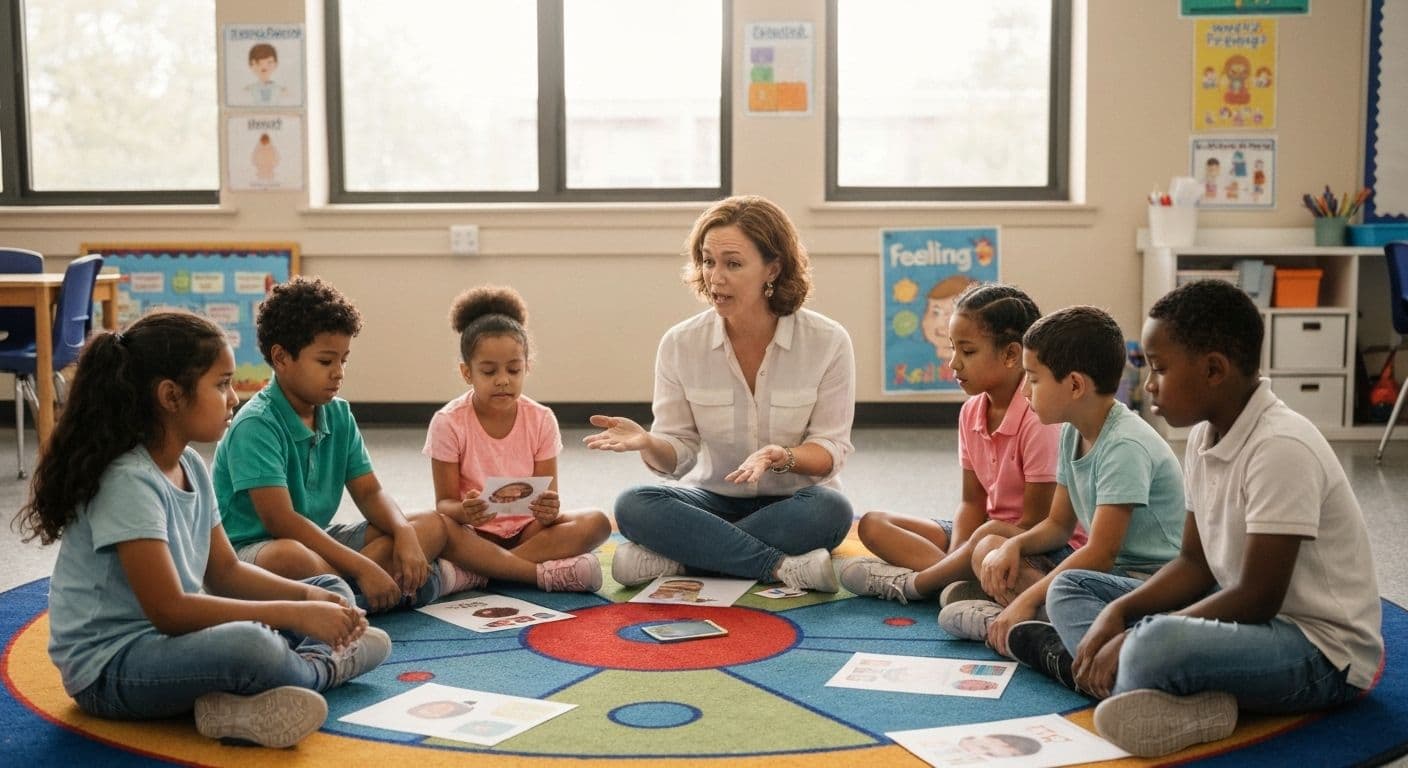
Young learners thrive with concrete self awareness sel activities. Start with simple emotion identification using feelings charts that include facial expressions and body sensations. Ask students to notice where they feel different emotions in their bodies—butterflies in the stomach for nervousness, warmth in the chest for happiness. These physical anchors make abstract feelings tangible.
Daily check-ins using color-coded emotion meters or weather metaphors ("I'm feeling stormy today") build emotional vocabulary naturally. The key is consistency—these practices work best when integrated into morning routines rather than treated as standalone lessons.
Middle School: Deepening Understanding
Adolescents need self-awareness activities that respect their growing complexity. Strength inventories help students identify personal qualities beyond academic performance. Reflection prompts about personal values encourage deeper self-examination: "What matters most to you when choosing friends?" or "When do you feel most like yourself?"
Peer feedback exercises, when structured carefully, provide valuable mirrors for self-perception. Students share one strength they notice in a classmate, helping everyone build more accurate self-awareness through others' observations.
High School: Connecting to Real Life
Older students benefit from self awareness sel techniques that connect to their future goals. Growth mindset challenges encourage students to reframe setbacks as learning opportunities. Goal-setting frameworks that require students to identify both their strengths and areas needing development build realistic self-assessment skills.
Real-world decision analysis—examining past choices and their outcomes—helps students understand their decision-making patterns. This metacognitive approach to self-awareness prepares students for adult responsibilities.
Building Your Self-Awareness SEL Toolkit: Measuring Progress and Sustaining Impact
Effective self awareness sel requires more than great lessons—it needs assessment strategies that capture growth. Observation checklists help you notice when students demonstrate increased emotional awareness during conflicts or challenges. Student self-reports, kept simple with rating scales or quick written reflections, provide insight into their developing self-understanding.
Creating a classroom culture where emotional awareness feels normal matters more than any single activity. Use growth mindset language consistently: "You're learning to notice your frustration earlier" rather than "Good job controlling your anger." This subtle shift normalizes the ongoing process of developing self-awareness.
Ready to implement these strategies without overwhelming your schedule? Start with one simple daily practice—perhaps a two-minute morning check-in. Once that becomes routine, layer in age-appropriate activities that fit your teaching style. Remember, self awareness sel isn't about adding more to your plate; it's about weaving emotional intelligence into everything you already do. Your students' growing self-awareness will show up in unexpected moments: thoughtful conflict resolution, honest self-assessment, and genuine curiosity about their own growth patterns.



