


Why Your Best Guided Meditation for Anxiety and Depression Isn't Working
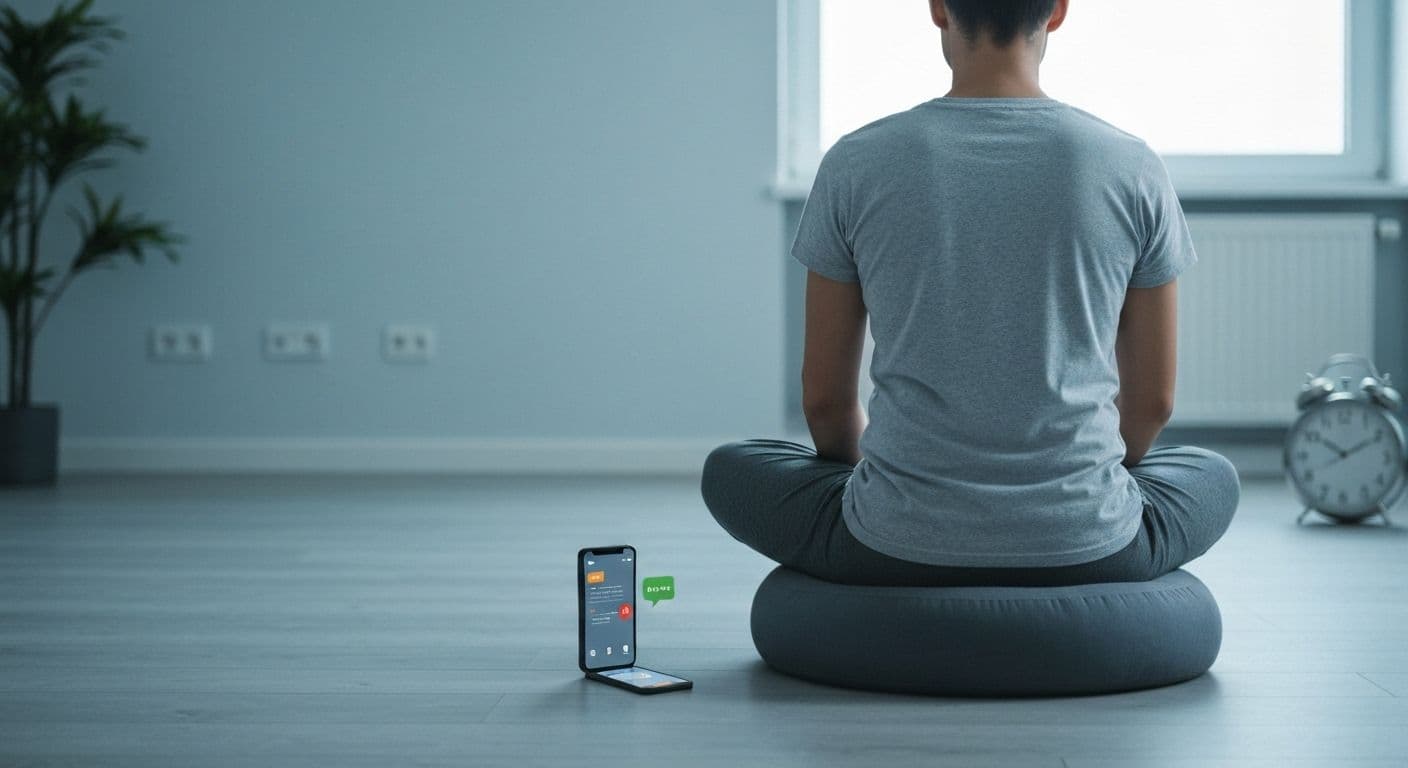
You've downloaded the app, set your alarm fifteen minutes earlier, and settled into your meditation cushion every single morning. You've tried different guided meditations for anxiety and depression, followed the instructions perfectly, and yet... you're still waking up with that familiar knot in your stomach. Your mind still races through worst-case scenarios, and anxiety feels just as present as before you started. Here's the truth: meditation works, but small missteps in how you're practicing the best guided meditation for anxiety and depression might be sabotaging your progress. The good news? These aren't fundamental flaws in your approach—they're simple adjustments that transform meditation from frustrating to genuinely calming.
Most people assume meditation isn't working for them when actually, they're just using the wrong variables for their unique nervous system. Research shows that meditation reduces anxiety and depressive symptoms, but only when the practice aligns with your current emotional state and lifestyle patterns. Let's identify the five specific mistakes keeping you anxious despite your best efforts, and more importantly, how to fix them today.
Mistake #1 and #2: Choosing the Wrong Voice and Length for Guided Meditation for Anxiety and Depression
That soothing voice everyone raves about? It might actually be increasing your agitation. When you're anxious, your nervous system is already in a heightened state, and certain voice characteristics—like overly slow pacing or breathy tones—create a mismatch that triggers more restlessness instead of calm. Your brain notices the disconnect between your internal state and the external guidance, creating additional stress.
Similarly, meditation length matters more than you think. Sessions under seven minutes don't give your cortisol levels enough time to decrease, while anything over twenty minutes when you're starting out often triggers the "I can't do this" response that makes anxiety spike. The science is clear: your nervous system needs roughly 10-15 minutes to shift from sympathetic (fight-or-flight) to parasympathetic (rest-and-digest) activation.
Ready to fix this? Test three different guided meditation voices this week, paying attention to pace and tone. Look for voices that match your current energy—if you're agitated, choose someone with a slightly more energetic, grounded quality rather than whisper-soft tones. Stick to the 10-15 minute range until you notice anxiety management becoming easier, then gradually extend your practice. This simple adjustment helps your brain actually receive the calming signals instead of fighting against them.
Mistake #3 and #4: Timing and Environment Issues That Sabotage Your Best Guided Meditation for Anxiety and Depression
Here's a mistake that keeps people stuck: meditating right when anxiety peaks. It sounds logical—feel anxious, meditate to fix it—but your nervous system has different ideas. When you're in the middle of acute anxiety, your brain is flooded with cortisol and your amygdala is firing rapidly. Trying to meditate in this state is like trying to calm a hurricane with a fan.
Your environment plays a bigger role than you realize, too. That meditation you're doing in bed? Your brain associates that space with sleep (or worry if you struggle with insomnia), creating confusion about what you're trying to achieve. Background noise you think you're "tuning out" is actually requiring constant cognitive effort, preventing the deep relaxation meditation provides.
The fix involves strategic timing and simple environment tweaks. Practice the best guided meditation for anxiety and depression preventively—before your anxiety typically rises. If you notice stress building around 3 PM, meditate at 2 PM. This aligns with your natural cortisol curve and prevents anxiety rather than reacting to it. For your environment, choose a consistent spot that isn't your bed or workspace. Even a specific chair works. Use headphones to create acoustic consistency, and let others know you're unavailable. These daily objectives for realistic success make meditation actually effective instead of just another task you're checking off.
Mistake #5 and How to Find Your Best Guided Meditation for Anxiety and Depression
The biggest mistake? Expecting meditation to work like medication—take it once, feel better immediately, and give up when that doesn't happen. Neuroplasticity (your brain's ability to rewire itself) takes consistent practice over weeks, not days. Research shows that meaningful changes in anxiety response patterns typically emerge after 8-12 weeks of regular practice.
You need a systematic approach to find what works for your brain. This week, track how you feel immediately after meditation and two hours later. Notice whether you're calmer, more agitated, or unchanged. These patterns tell you what's working. Signs your guided meditation for anxiety and depression is effective include: feeling physically lighter after practice, noticing space between anxious thoughts and your reaction to them, and finding yourself naturally taking deeper breaths throughout the day.
If these signs aren't appearing after three weeks with the same approach, it's time to adjust. Try different meditation styles—body scan versus breath-focused versus visualization. The best guided meditation for anxiety and depression is the one that matches your unique nervous system, not the one with the most downloads. This is where science-backed tools in Ahead help you discover personalized approaches that actually reduce anxiety, transforming meditation from wishful thinking into genuine emotional relief you can feel.



