


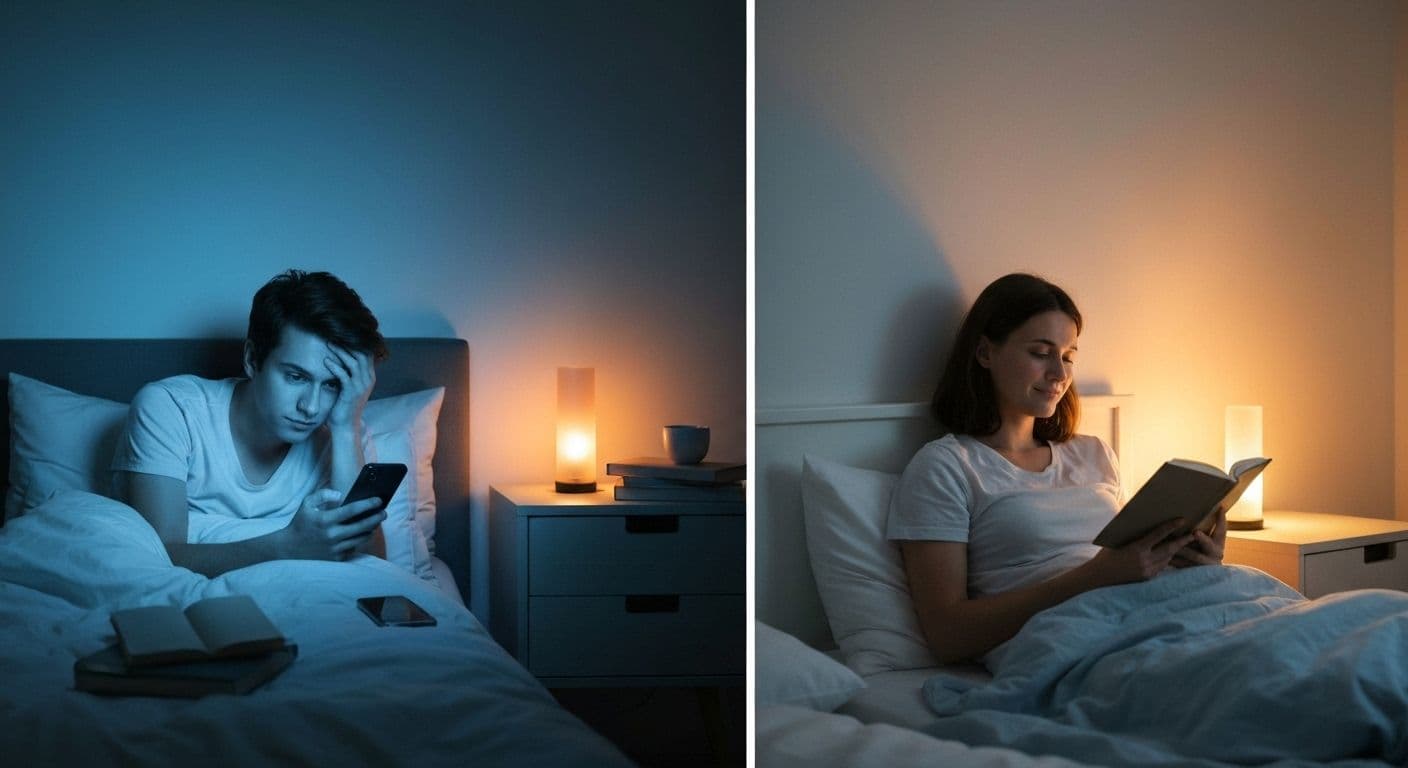
Why Your Evening Routine Sabotages Your Mental Peace (CalmDownMind)
You're exhausted, yet you're lying awake at 11 PM, mind racing through tomorrow's to-do list. Sound familiar? Here's the twist: your evening routine isn't helping you calmdownmind—it's actively sabotaging your mental peace. Those seemingly harmless habits you've built into your nighttime ritual are working against your brain's natural ability to wind down.
Most people assume they simply need to "relax more" or try harder to calmdownmind before bed. But the real issue isn't about adding more calming techniques—it's about removing the specific behaviors that block mental peace in the first place. Think of it like trying to fill a bucket with holes in it. No amount of pouring helps until you patch those leaks.
Tonight, you'll discover which common evening habits are preventing you from achieving the mental calm you crave. Better yet, you'll learn a practical three-step reset method that works immediately—no meditation apps, no complex rituals, just simple swaps that align with how your brain actually functions. Ready to identify your specific peace-blockers and fix them in the next 90 minutes?
The Evening Audit: How Your Last 90 Minutes Block Your Ability to CalmDownMind
Science reveals something crucial: the 90 minutes before sleep determine whether your brain shifts into rest mode or stays stuck in activation. During this window, your nervous system should naturally transition from alert to calm. But three common behaviors hijack this process, making it nearly impossible to calmdownmind.
First up: screen time stimulation. That innocent scroll through social media or late-night email check floods your brain with blue light and micro-stressors. Each notification, each piece of content acts like a tiny alarm bell, keeping your cortisol levels elevated. Your brain interprets this as "stay alert"—the exact opposite of what you need to calmdownmind effectively.
Second saboteur: late eating patterns. When you eat within two hours of bedtime, your digestive system kicks into high gear. Blood flow redirects to your stomach, your body temperature rises, and your brain receives signals that it's action time, not rest time. This physiological activation directly prevents your natural ability to calmdownmind.
Third peace-blocker: rumination loops. You know that mental replay of today's awkward conversation or tomorrow's presentation? That's your brain practicing stress responses rather than releasing them. These thought patterns create anxiety that compounds throughout the evening, making it progressively harder to calmdownmind as bedtime approaches.
Here's your simple audit for tonight: Track what you do in the 90 minutes before bed. Note every screen interaction, when you eat your last bite, and when your mind starts spinning through worries. These specific behaviors are your personal peace-blockers—the exact habits preventing you from achieving mental calm.
The Three-Step Reset Method to CalmDownMind Without Meditation Apps
Now for the good news: you don't need to overhaul your entire life to calmdownmind effectively. This three-step method works tonight using simple replacements, not additions.
Step 1: The Replacement Protocol. For every peace-blocking behavior you identified, swap in a calming alternative. Screen time? Replace it with a physical book or a conversation with someone you live with. Late eating? Move your last meal or snack to three hours before bed, and if you're hungry later, choose something light like herbal tea. Rumination loops? Replace mental replay with a simple brain dump—write three things that happened today on paper, then physically close the notebook.
These aren't random suggestions. Each replacement actively supports your brain's natural ability to calmdownmind by removing stimulation rather than fighting against it.
Step 2: The Sequence Shift. Reorder your evening activities to match your biology's natural wind-down. Place stimulating tasks (like checking finances or planning) earlier in the evening. Save calming activities (like light stretching, tidying, or preparing tomorrow's outfit) for the final 90 minutes. This sequence helps your nervous system recognize that it's safe to calmdownmind progressively.
Step 3: The 15-Minute Buffer. Create a transition zone between your last activity and bed. During these 15 minutes, dim the lights, lower the temperature slightly, and engage in something genuinely boring—folding laundry, organizing a drawer, or simply sitting quietly. This buffer signals to your brain that the day has officially ended, making it significantly easier to calmdownmind naturally. These calming techniques work with your body's natural systems rather than against them.
Your CalmDownMind Evening Blueprint: Implementing Tonight's Changes
Here's the key insight: mental peace isn't about forcing relaxation through complex rituals. It's about removing the specific behaviors that prevent your brain from doing what it naturally wants to do—calmdownmind and rest.
Tonight's action plan is simple: complete your evening audit, identify your top two peace-blockers, and implement their replacements. That's it. You're not adding tasks; you're swapping saboteurs for supporters. Most people notice improved mental calm within the first night because they've finally stopped working against their own biology.
Ready to build on this foundation with personalized strategies that boost your emotional intelligence? Ahead offers science-driven tools to help you calmdownmind and manage emotions more effectively—think of it as your pocket coach for sustainable mental peace.



