


Why Your Peaceful Mind Needs Less Meditation and More Movement
Picture this: You're sitting cross-legged on a cushion, eyes closed, trying desperately to find your peaceful mind. Instead of calm, you're battling an itch on your nose, a restless leg, and a brain that won't stop replaying yesterday's conversation. Sound familiar? Here's the thing—achieving a peaceful mind doesn't always require sitting perfectly still. For many people, the path to mental peace actually runs through movement, not around it.
We've been sold a single story about how to quiet mental noise: sit down, close your eyes, and meditate. But what if your body—and brain—work differently? What if the key to your calm state of mind is actually getting up and moving? Science backs this up. Physical activity doesn't just tire out your muscles; it fundamentally shifts your mental state in ways that stillness sometimes can't match, especially if you're someone who learns and processes through action.
How Movement Creates a Peaceful Mind More Effectively Than Stillness
Your brain on movement looks completely different from your brain at rest. When you move, your body releases built-up stress hormones like cortisol and adrenaline, processing them through physical action rather than letting them swirl around in your system. This isn't just feel-good theory—it's neuroscience. Rhythmic activities like walking, dancing, or even washing dishes engage both hemispheres of your brain, creating synchronized brain waves that naturally induce mental calm.
Here's where it gets interesting: movement interrupts rumination cycles. You know those thought loops that keep spinning the same worries over and over? Physical activity disrupts them by engaging your body-mind connection. When you're focusing on your footsteps, your breath during a stretch, or the rhythm of sweeping, your brain literally can't maintain the same level of anxious thinking. It's redirected to the present moment through physical sensation.
Why Stillness Doesn't Work for Everyone
If you're a kinesthetic learner or have a naturally active personality type, traditional sitting meditation might feel like torture rather than tranquility. Your nervous system might actually need movement to quiet the mind. This doesn't mean you're doing it wrong—it means you're wired differently. For people with restless energy, asking the body to be completely still can amplify mental noise rather than reduce it. The strategies for managing anxiety that work best are the ones that match your natural wiring.
Research on mindful movement shows that activities combining physical engagement with present-moment awareness deliver the same benefits as traditional meditation—reduced stress, improved emotional regulation, and enhanced focus—but through a completely different pathway. For certain people, this pathway is actually more direct and effective.
Practical Ways to Achieve a Peaceful Mind Through Mindful Movement
Ready to discover what movement-based mindful awareness looks like in practice? Start with walking meditation. This isn't your usual power walk—it's a gentle, deliberate pace where you notice each footfall, feel the ground beneath you, and sync your breath with your steps. The combination creates a calmer state of mind within minutes, not hours.
Dancing deserves special mention here. Put on music that matches your current emotional state and let your body move however it wants. This isn't about looking good; it's about emotional release through rhythm. Your body holds feelings that your mind struggles to process, and movement helps metabolize them. Many people find this approach works better than trying to overcome mental blocks through pure thought alone.
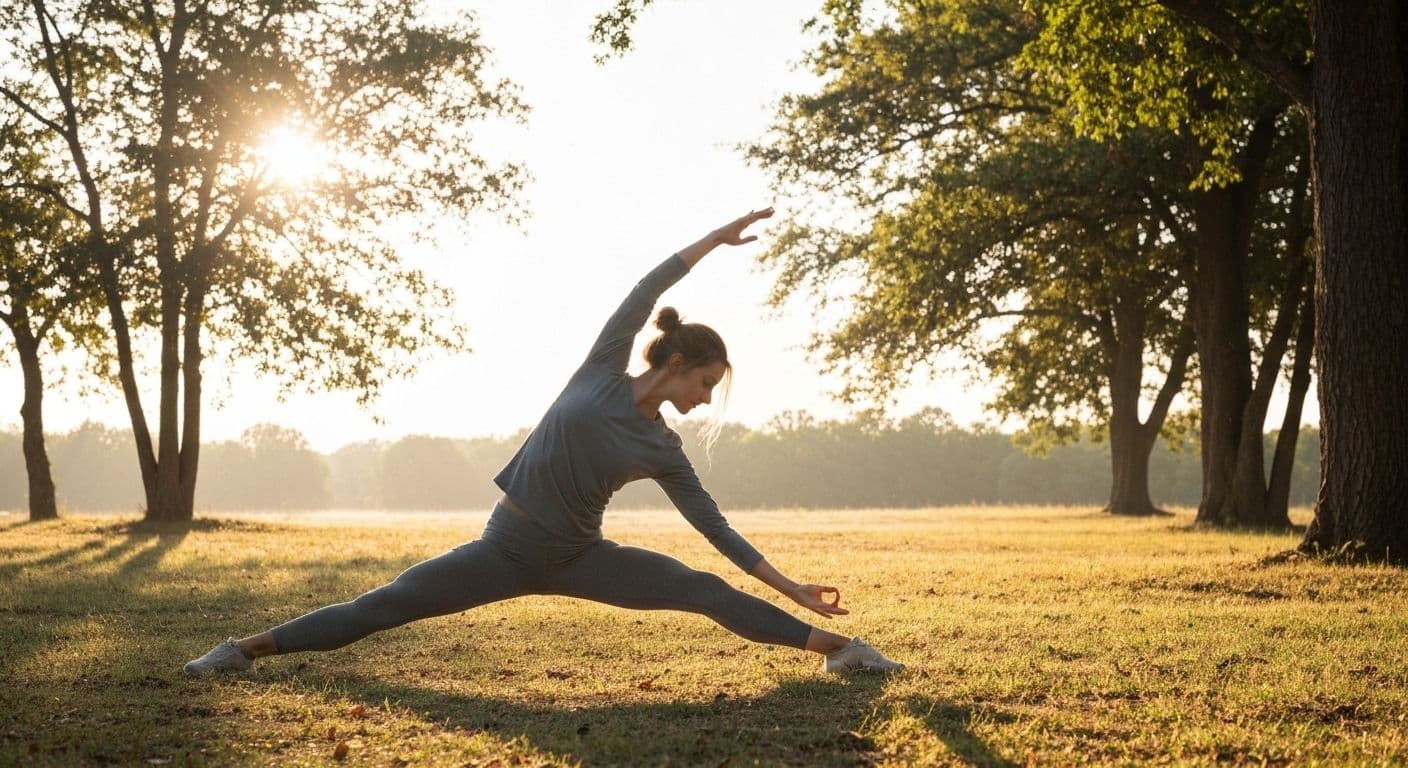
Stretching with intention transforms a simple physical activity into a peaceful mind practice. Move slowly, breathe deeply, and notice the sensations in your muscles. This anchors your attention in your body rather than your thoughts, creating mental quiet naturally.
Integrating Mindfulness Into Daily Activities
Here's where it gets really practical: everyday activities become moving meditation when you bring full attention to them. Washing dishes? Feel the warm water, notice the texture of soap, observe the circular motions. Gardening, cleaning, folding laundry—all become opportunities for mindful awareness when you engage with them fully rather than rushing through on autopilot. These moments accumulate throughout your day, building a foundation for sustained mental peace.
Building Your Personal Peaceful Mind Practice With Movement
Your peaceful mind journey is uniquely yours. Some people find their calm in yoga flows, others in vigorous walks, still others in the repetitive rhythm of swimming. The invitation here is to experiment and discover what type of movement resonates with your body and personality. There's no hierarchy—dancing in your kitchen is just as valid as any formal practice.
Start small: commit to just 5-10 minutes of intentional movement daily. This might be a morning stretch routine, a lunchtime walk where you actually notice your surroundings, or an evening dance session to release the day's tension. The key word is "intentional"—you're not just moving, you're combining movement with awareness to create a mental peace practice that fits your life.
Remember, achieving a peaceful mind isn't about following someone else's prescription for calm. It's about discovering what genuinely works for your nervous system, your personality, and your lifestyle. If that means less sitting and more moving, you're not breaking the rules—you're writing better ones for yourself. Your path to emotional wellness might just require getting off the meditation cushion and onto your feet.



