


Why Your Spiritual Mind Needs Community: Building Connection
You've been meditating daily, reading spiritual texts, and dedicating time to your inner work. Yet something feels missing. Despite your commitment to solo spiritual practice, you might sense you've hit a plateau—like you're circling the same insights without breaking through to deeper understanding. Here's what many dedicated practitioners overlook: your spiritual mind isn't designed to evolve in isolation. It thrives through connection, shared experience, and the dynamic energy that only community provides.
Neuroscience reveals something fascinating about how our spiritual mind processes growth. When we practice alone, we activate certain neural pathways. But when we engage in group spiritual experiences, something remarkable happens—our brains synchronize with others, creating collective states that amplify individual transformation. This isn't just feel-good theory; it's measurable brain science showing that community accelerates inner growth in ways solo practice simply cannot replicate.
The spiritual mind evolved within tribal contexts, wired for shared meaning-making and collective ritual. When you practice exclusively alone, you're essentially asking your brain to do something it wasn't optimized for. This doesn't diminish the value of solitude—it simply reveals why even the most disciplined solo practitioners eventually crave connection.
How Community Activates Your Spiritual Mind in Ways Solo Practice Cannot
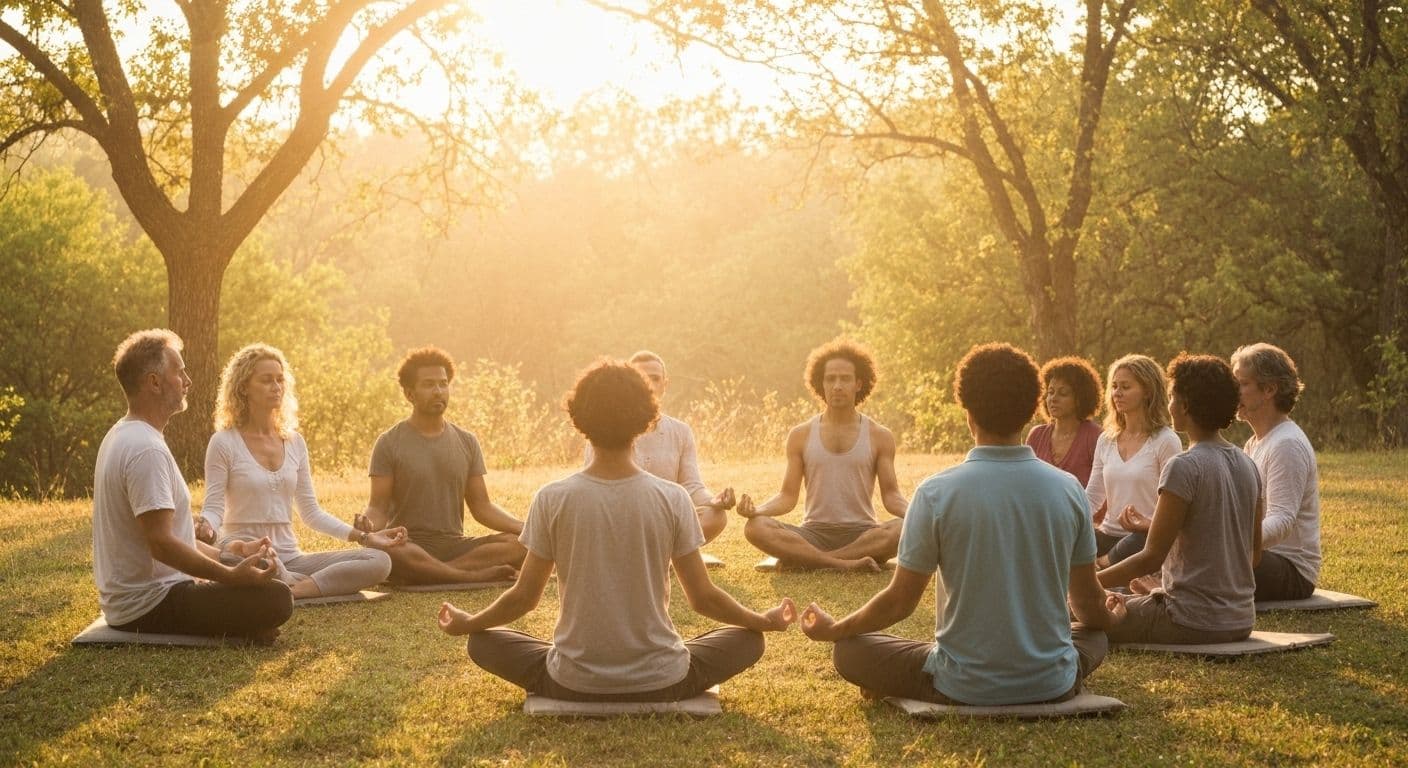
Mirror neurons—those brain cells that fire both when we act and when we observe others acting—play a crucial role in spiritual development. When you sit in meditation or contemplation with others, your spiritual mind doesn't just observe their practice; it neurologically mirrors their states of consciousness. This creates what researchers call "collective effervescence," where group energy elevates everyone beyond their individual capacity.
Sharing spiritual experiences validates insights that might otherwise feel uncertain or confusing. When you articulate a realization to others and see recognition in their eyes, your spiritual mind gains confidence. This social validation isn't about seeking approval—it's about confirming that your inner experiences connect to universal patterns of human consciousness. That confirmation deepens your trust in your own spiritual development.
Accountability matters more than most practitioners realize. The spiritual mind loves novelty but struggles with consistency. When you commit to showing up for a group practice or spiritual community, you create external structure that keeps your inner work alive during inevitable dry spells. Others witness your journey, and that witnessing becomes a powerful motivator when your solo practice would otherwise fade.
Diverse perspectives challenge the assumptions your spiritual mind makes when left unchecked. Solo practice can inadvertently become an echo chamber where your existing beliefs simply reinforce themselves. Community introduces different interpretations, practices, and frameworks that expand your understanding beyond what you'd discover alone. This cognitive diversity is essential for genuine spiritual growth rather than spiritual stagnation disguised as deepening practice.
Perhaps most importantly, supportive spiritual communities provide emotional safety for vulnerable inner work. The spiritual mind explores tender territory—questions about meaning, mortality, purpose, and identity. Having witnesses who understand this vulnerability makes it safer to venture into uncomfortable truths that solo practice might cause you to avoid.
Practical Ways to Find or Create Spiritual Mind Communities That Fit You
Spiritual communities exist on a spectrum from formal religious organizations to informal friend circles that meet monthly for deep conversations. Your spiritual mind doesn't need elaborate structures—it needs genuine connection. Start by identifying what matters most: structured teaching, open exploration, specific practices like meditation or movement, or simply honest dialogue about life's bigger questions.
Online communities offer accessibility and diversity. Platforms like Insight Timer, Meetup, and specialized forums host virtual spiritual gatherings across time zones and traditions. Local options include meditation centers, yoga studios, philosophical discussion groups, and nature-based spiritual circles. Even bookstores and coffee shops sometimes host spiritual book clubs or contemplative practice sessions.
Vetting potential communities protects your spiritual mind from unhealthy dynamics. Look for groups that encourage questions rather than demanding belief, that respect boundaries rather than pressuring commitment, and that celebrate diverse paths rather than insisting on one right way. Red flags include financial pressure, isolation from outside relationships, or leaders who discourage critical thinking.
Creating your own micro-community might be simpler than you imagine. Start by inviting two or three friends for monthly gatherings focused on mindfulness practices, spiritual readings, or meaningful conversation. Keep it low-pressure and organic. Some of the most transformative spiritual communities begin as casual friend groups that discover shared hunger for deeper connection.
Balance matters tremendously. Your spiritual mind needs both solitude for integration and community for activation. Too much group involvement can become performative; too much isolation can become stagnant. Aim for regular solo practice supplemented by consistent community connection—perhaps weekly solo work with monthly group engagement, adjusted to your personal rhythm.
Nurturing Your Spiritual Mind Through Balanced Connection and Practice
Community enhances rather than replaces your solo spiritual work. Think of it as cross-training for your spiritual mind—different practices strengthening different capacities. Your private contemplation develops depth; your shared experiences develop breadth. Together, they create a more resilient and expansive spiritual life than either approach alone could achieve.
Ready to take one small step? This week, identify just one potential spiritual connection. That might mean researching local meditation groups, reaching out to a friend about starting a monthly spiritual conversation practice, or joining one online spiritual community. Your spiritual mind doesn't need perfect community—it needs authentic connection with others who are also navigating their inner growth.
The spiritual mind you've been cultivating through dedicated solo practice has prepared you for something bigger: the amplified transformation that happens when individual inner work meets collective spiritual energy. Your next breakthrough might not come from another hour of solo meditation—it might come from the courage to share your practice with others who understand the journey.



