


Your Emotional Self Awareness and Brainly: Why EQ Beats IQ Today
Ever sent an email you immediately regretted? Or found yourself doomscrolling when you needed to focus on an important project? These moments reveal something crucial: raw intelligence alone doesn't cut it in our hyper-connected world. Your emotional self awareness and brainly function—understanding what you're feeling and why—has become the true differentiator between thriving and barely surviving in the digital age.
The old rulebook that prioritized IQ above all else is outdated. Today's challenges—managing digital overwhelm, navigating remote work dynamics, and maintaining relationships through screens—demand a different kind of intelligence. Research shows that emotional intelligence accounts for nearly 58% of job performance across all fields, while traditional IQ measures contribute far less. The connection between your emotional self awareness and brainly performance creates a foundation for success that test scores simply can't predict.
What makes emotional self-awareness so powerful? It's the ability to pause, recognize what's happening inside you, and choose your response rather than reacting impulsively. In a world where notifications ping every few minutes and digital demands never stop, this skill becomes your secret weapon. Understanding how your emotional self awareness and brainly processes work together helps you make better decisions, build stronger connections, and maintain your sanity amid constant connectivity.
How Your Emotional Self Awareness and Brainly Function Shape Digital Success
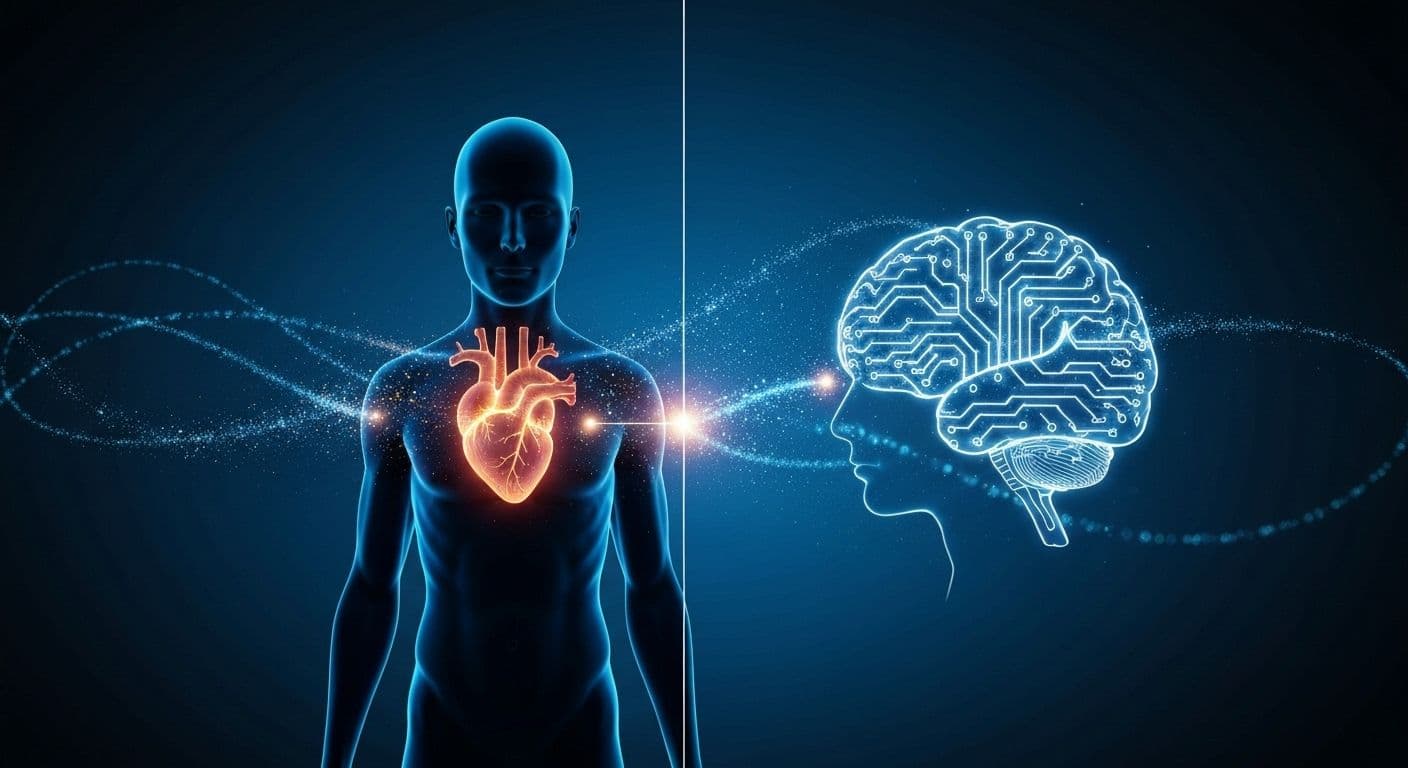
Your brain's emotional processing centers—particularly the amygdala and prefrontal cortex—work together to create your experience of emotions. When you develop emotional self-awareness, you strengthen the connection between these regions, giving yourself more control over reactive responses. This matters enormously when your inbox explodes or a colleague's message hits you the wrong way.
Here's where it gets interesting: recognizing emotions in real-time prevents you from making decisions you'll regret. That angry reply you almost sent? Emotional awareness helps you notice the frustration building, take a breath, and craft a response that actually solves the problem. This isn't about suppressing feelings—it's about understanding them well enough to choose productive actions.
Brain's Emotional Processing Centers
Think of emotional self-awareness as your brain's early warning system. When you're scrolling through social media and suddenly feel anxious, that awareness signals something important. Maybe you're comparing yourself to others, or perhaps you're avoiding a difficult task. Recognizing these patterns helps you address the real issue rather than numbing out with more scrolling. This type of digital boundaries awareness transforms how you interact with technology.
Emotional Awareness vs Reactive Responses
Consider remote work: you're on your fourth video call of the day, feeling drained and irritable. Without emotional self-awareness, you might snap at your teammate or zone out completely. With it, you notice the exhaustion, take a five-minute break between calls, and show up more present. Your emotional self awareness and brainly function working in harmony creates this kind of practical wisdom that IQ alone never could.
Building Your Emotional Self Awareness and Brainly Resilience in Hyper-Connected Life
Developing emotional self-awareness in our always-on world requires intentional practice. Start with simple check-ins: Before responding to that heated email, pause and ask yourself what you're actually feeling. Frustrated? Defensive? Overwhelmed? Naming the emotion reduces its intensity by up to 30%, according to neuroscience research.
Digital relationships thrive on emotional intelligence. When someone's tone feels off in a text message, emotional awareness helps you recognize your assumption might be wrong—text lacks vocal cues and facial expressions. Instead of spiraling into anxiety or firing back defensively, you can seek clarification or give them the benefit of the doubt. This approach to managing anxiety in communication strengthens connections rather than damaging them.
Practical Awareness Techniques
Managing emotional responses to constant notifications becomes easier with practice. Try this: When your phone buzzes, notice your body's reaction before checking it. Do you feel a spike of anxiety? Excitement? Dread? This micro-moment of awareness helps you decide whether to respond immediately or wait. Your emotional self awareness and brainly capacity grows stronger each time you practice this pause.
Digital Boundary Setting with Emotional Intelligence
For remote work dynamics, emotional awareness transforms stress management. Recognize when you're reaching capacity—maybe your shoulders tense up or your focus scatters. These physical signals tell you it's time for a break, not another coffee. Honoring these cues, similar to effective mental energy management, prevents burnout and maintains sustainable productivity.
Strengthening Your Emotional Self Awareness and Brainly Power for Modern Challenges
The evidence is clear: emotional self-awareness outperforms IQ in navigating our digital age's complexities. While traditional intelligence helps you solve technical problems, emotional intelligence helps you manage the human elements—stress, relationships, motivation—that ultimately determine your success and wellbeing.
Ready to develop this competitive advantage? Start small. Pick one daily moment—maybe your morning routine or lunch break—to check in with your emotions. What are you feeling? Where do you notice it in your body? What might have triggered these emotions? This simple practice builds the foundation for stronger emotional intelligence.
The beauty of emotional self-awareness is that it compounds over time. Each moment you pause to recognize your feelings strengthens your ability to do it again. Your emotional self awareness and brainly function become more integrated, giving you clearer insight into yourself and others. In a world that constantly demands your attention and energy, this inner compass becomes invaluable for making choices that actually align with what matters to you.



