


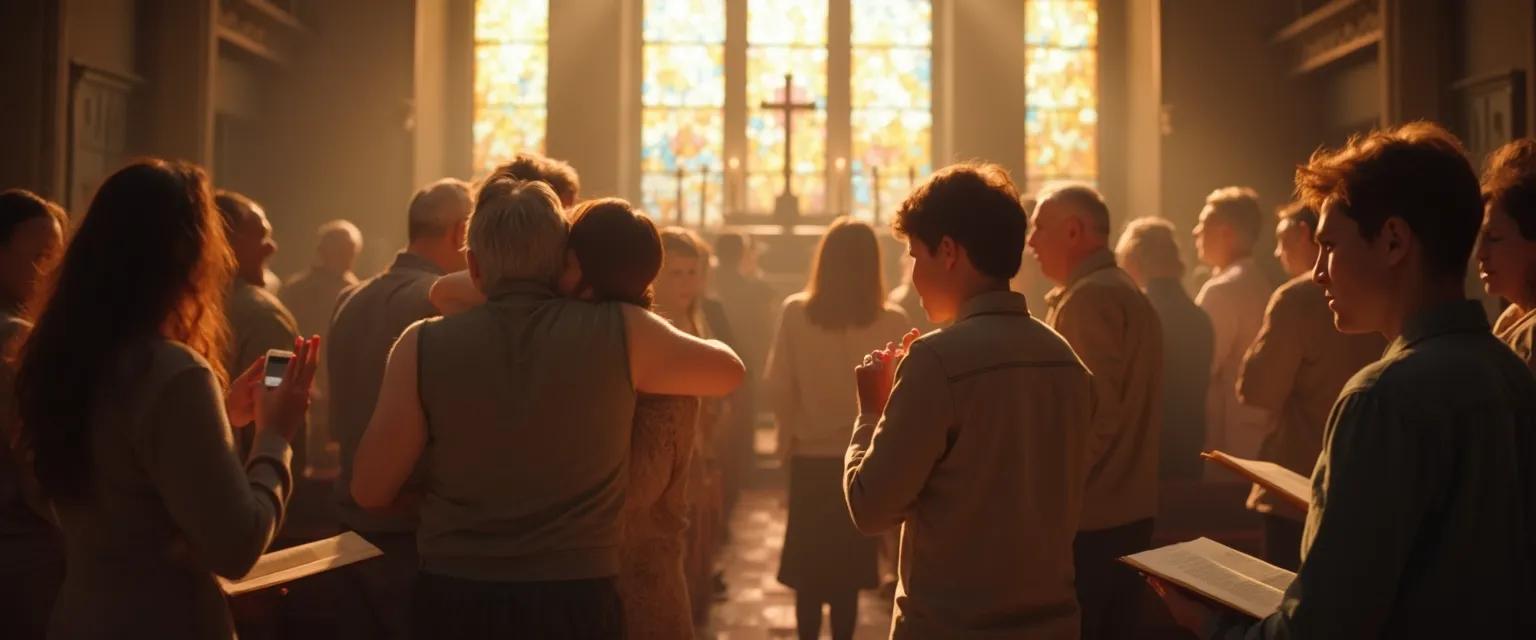
Why Grief Share Groups Matter: Transforming Faith Communities Through Healing
When grief strikes a community of faith, it creates ripples that touch everyone. A grief share group offers a unique sanctuary where emotional healing meets spiritual support. Within faith communities, these specialized groups create safe spaces for processing loss while strengthening the bonds that hold congregations together. Research shows that participants in structured grief share groups experience a 30% faster emotional recovery compared to those grieving without community support. This powerful combination of faith principles and evidence-based grief processing creates an environment where healing can flourish in ways that individual pastoral care alone cannot provide.
Faith communities inherently understand the importance of togetherness, yet grief often isolates individuals at their most vulnerable moments. A well-structured grief share group bridges this gap, creating connection points that transform individual suffering into shared healing journeys. The power of these groups lies in their ability to normalize grief experiences while providing emotional regulation techniques that honor faith traditions.
Studies from the Journal of Psychology and Theology reveal that participants in faith-based grief share groups report significantly higher levels of meaning-making and post-traumatic growth compared to secular support programs. This suggests that the integration of spiritual frameworks within grief processing creates unique pathways to resilience that many find transformative.
How Grief Share Groups Transform Faith Communities
Effective grief share groups within faith communities follow a structure that balances emotional expression with spiritual nourishment. These groups typically meet weekly or bi-weekly, creating a rhythm of support that participants can rely on during turbulent emotional periods. The most successful groups establish clear guidelines that honor confidentiality while encouraging authentic sharing.
What makes these groups particularly powerful is their ability to create spaces where difficult emotions—anger, doubt, confusion—can be expressed without judgment. Many faith traditions inadvertently create pressure to maintain "proper" emotional responses to loss, but grief share groups dismantle these expectations, allowing for genuine processing.
Pastor Michael Jennings of Grace Community Church shares how their grief share group transformed their congregation: "After implementing our grief share program, we witnessed not just healing among those actively grieving, but a deeper compassion throughout our entire community. People who had never connected before found meaningful relationships through shared vulnerability."
This ripple effect often extends beyond the immediate group. As participants experience healing, they frequently become emotional support resources for others, creating an expanding network of resilience-building connections throughout the faith community. The shared language and tools acquired in grief share groups become community resources that strengthen collective emotional intelligence.
Establishing Effective Grief Share Groups in Your Faith Community
Starting a grief share group requires thoughtful preparation. Begin by identifying potential facilitators who demonstrate both emotional maturity and spiritual depth. These individuals don't need professional counseling credentials, but should complete basic grief support training through organizations like GriefShare or the Center for Loss and Life Transition.
Create a clear structure for your meetings that includes:
- Opening rituals that center participants
- Educational components about grief processes
- Guided discussion questions
- Spiritual reflection elements
- Closing practices that provide containment
The most sustainable grief share groups maintain a balance between structure and flexibility. While consistent frameworks provide safety, allowing the group to respond to emerging needs builds relevance. Faith communities with successful long-term grief share groups typically rotate leadership responsibilities and regularly refresh their curriculum to prevent facilitator burnout.
Importantly, effective groups establish clear boundaries between grief support and therapy. While grief share groups provide tremendous emotional benefits, participants with complicated grief or trauma may need additional professional support. Having referral resources ready demonstrates responsible stewardship of your community's wellbeing.
The Lasting Impact of Grief Share Groups on Faith Communities
Faith communities with established grief share groups report greater overall emotional resilience during community-wide challenges. These groups create a foundation of emotional literacy that permeates other ministry areas, from youth programs to elder care initiatives. The principles learned in grief share groups—active listening, emotional honesty, presence during pain—become cultural values that strengthen the entire community.
Perhaps most powerfully, grief share groups embody faith in action. They demonstrate that spiritual communities can hold space for life's most difficult moments while providing practical, compassionate support. For faith leaders considering implementing a grief share group, the evidence is clear: few initiatives create such profound and lasting impact with relatively modest resource investments. By prioritizing grief share group development, faith communities build healing networks that transform individual suffering into collective strength and wisdom.



